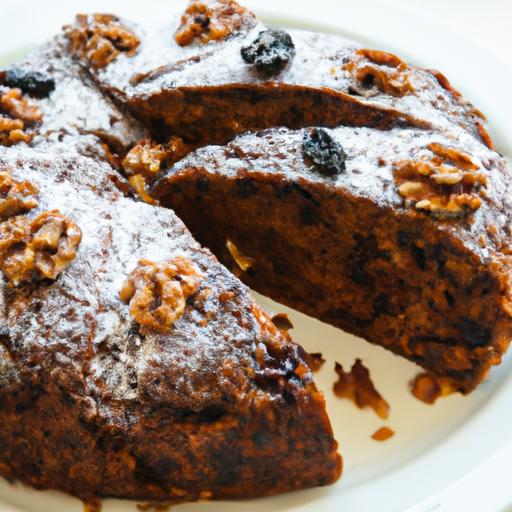

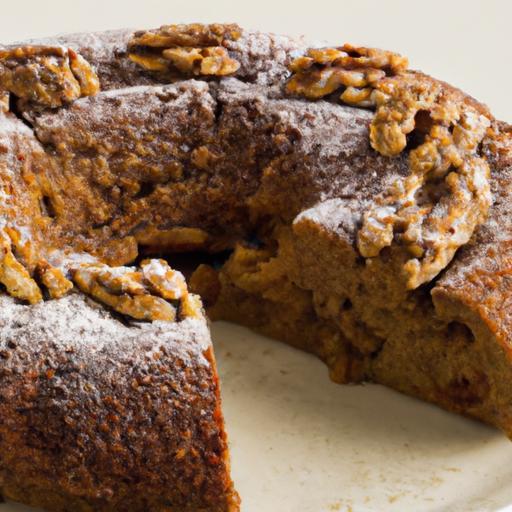
Nestled deep within the heart of Greek culinary heritage lies a dessert that whispers tales of sun-soaked orchards and ancient festivities-Karydopita. this walnut cake, with it’s moist crumb and fragrant spices, is far more than just a sweet treat; it is a symbol of tradition, craft, and the enduring warmth of Greek kitchens. In this article, we journey beyond the surface of this beloved cake, uncovering its rich history, the artful balance of flavors, and the cultural rituals that have preserved Karydopita as a cherished masterpiece of Greek gastronomy. Prepare to discover the story behind every bite of this timeless walnut cake and the legacy it carries through generations.
Origins and Cultural Meaning of Karydopita: A deep Dive into Greek Heritage
Karydopita, a timeless treasure in Greek gastronomy, is more than just a walnut cake; it’s a symbol of tradition, familial gatherings, and party. Rooted in the vibrant culture of Greece, this luscious dessert carries centuries of history, cherished through generations. The name “Karydopita” beautifully combines karydi (Greek for walnut) and pita (cake or pie), revealing its essence: a moist, fragrant walnut cake drenched in a honey-infused syrup that embodies Mediterranean warmth.
from village festivities to urban bakeries, karydopita is ubiquitous during the holiday season and special occasions throughout greece. Each region adds subtle nuances, using locally sourced walnuts and honey, linking this dessert deeply to place and people. Preparing karydopita invokes a sense of connection to Greek roots, where spices like cinnamon and clove enrich the flavor profile, illustrating the cultural blending through centuries of trade and tradition.
Mastering the Art of Walnut Selection and Preparation for Karydopita
Choosing the right walnuts is key to unlocking the full character of karydopita. Opt for fresh, unblemished walnuts with a uniform color and crisp snap-these qualities ensure optimal flavor and texture. Toasting the nuts lightly before incorporation amplifies their natural oils and deepens the aroma,making every bite intoxicatingly rich. Chop the walnuts coarsely to provide delightful textural contrast, allowing them to shine alongside the tender crumb of the cake.
Many customary recipes call for hand-chopping the walnuts to preserve rustic charm, but a quick pulse in a food processor is acceptable-just avoid overprocessing to prevent releasing too much bitter oil. Toast your walnuts at 325°F (160°C) for 8-10 minutes, stirring halfway until golden and fragrant, but not burnt. This step highlights a nuanced, toasty sweetness critical to the cake’s profile.
Crafting the Perfect Syrup for ultimate Sweetness and Moisture
The hallmark of Karydopita is its luscious syrup, which infuses the cake with irresistible moistness and balanced sweetness. This syrup combines sugar, water, lemon juice, and a generous drizzle of honey for that signature Greek touch. Simmering the syrup gently until slightly thickened creates a glossy,amber glaze that seeps luxuriously into the crumb.
Pro tip: Pour the syrup over the cake while it’s still warm and just pulled from the oven to ensure perfect absorption. Stir in a cinnamon stick and a strip of lemon zest when cooking the syrup to heighten aromatic complexity.The citrus element cuts sweetness slightly, yielding a harmonious balance. patience is key here-allow the cake to rest for a few hours or ideally overnight so the syrup fully permeates, enhancing every forkful with sticky sweetness and spice.
Serving Suggestions and Pairing Tips for Authentic Enjoyment
Present karydopita in generous wedges, garnished with a sprinkle of powdered sugar and a few whole toasted walnuts to celebrate its star ingredient. A dollop of freshly whipped cream or a scoop of vanilla bean ice cream creates a luscious contrast to the cake’s honeyed depth. For an authentic Greek touch, pair it with a cup of strong, dark Greek coffee or a fragrant herbal tea like mountain tea (Tsai Tou Vounou) to cleanse the palate between bites.
The balance of spicy, sweet, and nutty notes makes karydopita a versatile dessert that pairs wonderfully with light cheeses, such as mild ricotta or fresh goat cheese, which can be served on the side during festive gatherings. Serving at room temperature accentuates flavors, while a slightly chilled slice provides a refreshing alternative during warm months.
Prep and Cook Time
- Preparation: 20 minutes
- Cooking: 45 minutes
- Syrup Simmering: 15 minutes
- Resting Time: Minimum 2 hours (preferably overnight)
Yield
Serves 12-14 generous portions
Difficulty Level
Medium – Perfect for home bakers with some experience seeking to deepen their repertoire of classic Mediterranean desserts.
Ingredients
- 2 cups all-purpose flour, sifted
- 1 ½ tsp baking powder
- ½ tsp baking soda
- 1 tbsp ground cinnamon
- ¼ tsp ground cloves
- ½ tsp salt
- ¾ cup unsalted butter, melted and cooled
- 1 cup granulated sugar
- 3 large eggs
- 1 tsp vanilla extract
- 1 cup Greek yogurt (full fat)
- 1 ½ cups walnuts, toasted and coarsely chopped
- For the syrup:
- 1 ½ cups granulated sugar
- 1 cup water
- ¼ cup honey (preferably Greek thyme honey)
- 1 tbsp fresh lemon juice
- 1 cinnamon stick
- Peel of one lemon (optional for syrup)
Instructions
- Preheat oven to 350°F (175°C). Grease and line a 9×13 inch (23×33 cm) baking pan with parchment paper.
- Toast walnuts: Spread walnuts evenly on a baking sheet and toast for 8-10 minutes. let cool, then chop coarsely.
- Mix the dry ingredients: In a large bowl, combine flour, baking powder, baking soda, cinnamon, cloves, and salt. Whisk well to integrate.
- Combine wet ingredients: In a separate bowl, whisk together melted butter, sugar, eggs, vanilla extract, and Greek yogurt until smooth and creamy.
- Fold in dry ingredients: Gradually add the dry mixture to the wet ingredients, folding gently to avoid overmixing. Stir in toasted walnuts last.
- Pour batter into the prepared pan, distributing evenly. Smooth the surface with a spatula.
- Bake for 40-45 minutes or until a toothpick inserted into the center comes out clean.
- prepare the syrup: While the cake bakes, combine sugar, water, honey, lemon juice, cinnamon stick, and lemon peel in a saucepan. Bring to a boil, then reduce heat and simmer for 15 minutes, stirring occasionally.
- Remove cake from oven: promptly after baking, poke several holes with a skewer over the surface.
- Pour hot syrup evenly over the warm cake to saturate it fully.
- Cool: Allow cake to rest at room temperature for at least 2 hours,or preferably overnight,to absorb the syrup completely.
- Serve: Cut into squares or diamond shapes. Garnish as desired.
Tips for Success
- Walnut toast: Watch closely during toasting to prevent bitterness from burned nuts.
- Syrup consistency: Avoid over-reducing syrup to prevent crystallization once cooled.
- Yogurt choice: Use full-fat Greek yogurt for moisture and richness; low-fat versions can dry the cake.
- Make-ahead: Karydopita improves flavor and texture by resting up to 24 hours after syrup submission.
- Spice adjustments: Add freshly grated nutmeg or ground allspice for an even more aromatic cake.
Serving Suggestions
Serve warm or at room temperature,dusted lightly with powdered sugar. Complement with whipped cream, Greek yogurt sweetened with honey, or vanilla ice cream for indulgence. A scattering of extra toasted walnuts and a cinnamon stick on the plate bring rustic elegance. Pair with a strong espresso or traditional Greek mountain tea to balance sweetness.

| Nutrient | Per Serving |
|---|---|
| Calories | 320 kcal |
| Protein | 5 g |
| Carbohydrates | 42 g |
| Fat | 15 g |
For those interested in exploring more Greek dessert traditions,you might enjoy our detailed look at Baklava Secrets: A Guide to the Classic Honey Pastry.For an in-depth cultural background on Mediterranean nuts and their health benefits, visit the Healthline Walnuts Benefits article.
Q&A
Q&A: Karydopita Uncovered: The Walnut Cake of Greek Tradition
Q1: What exactly is Karydopita?
A1: Karydopita is a beloved greek dessert whose name translates to “walnut cake.” It’s a rich, moist cake studded with finely chopped walnuts and drenched in a fragrant syrup, capturing the warmth and hospitality of Greek culinary tradition. This cake is both a celebration of local ingredients and a testament to the contry’s skill in turning simple components into something truly special.
Q2: What gives Karydopita its distinctive flavor and texture?
A2: The star of Karydopita is,of course,the walnut. These nuts provide a satisfying crunch and earthy richness that contrasts beautifully with the soft, tender crumb of the cake. The syrup-usually infused with honey,cinnamon,and citrus zest-soaks into the cake,creating a luscious balance of sweet and aromatic flavors that linger on the palate.
Q3: How is Karydopita traditionally made?
A3: Traditionally, walnuts are chopped and folded into a batter made from flour, sugar, eggs, and frequently enough a touch of orange or lemon zest to brighten the flavors. After baking to a golden perfection, a warm syrup is poured over the cake so it seeps into every bite. This method ensures the cake remains moist and flavorful for days, making it perfect for sharing during gatherings and celebrations.
Q4: Are there variations of Karydopita across Greece?
A4: Absolutely! While the core ingredients remain consistent,regional twists abound-from the type of nuts used to the spices infused in the syrup. Some versions incorporate ground almonds or add a hint of clove, while others might use a more citrus-forward syrup or include a dash of vanilla. These variations showcase the diverse flavors and creativity found within Greece’s culinary landscape.
Q5: Can Karydopita be enjoyed year-round, or is it tied to specific occasions?
A5: While Karydopita is a year-round favorite, it frequently enough shines during autumn and winter months when walnuts are freshly harvested and warmth from spices feels especially comforting. it’s also a staple during festive holidays,family gatherings,and church celebrations,symbolizing the sweetness of togetherness and tradition.
Q6: How does Karydopita reflect Greek culture?
A6: Beyond its taste, Karydopita embodies core elements of Greek culture: respect for nature’s bounty, the importance of family and community, and a deep-rooted appreciation for sharing food as an act of love.Each slice tells a story of sun-soaked walnut groves, shared recipes passed down through generations, and the simple joy of indulging in a homemade treat.
Q7: Are there modern twists on the traditional Karydopita recipe?
A7: Contemporary chefs and home bakers alike are reimagining Karydopita by infusing it with novel ingredients-think spices like cardamom, the incorporation of orange blossom water in the syrup, or even a vegan adaptation using olive oil and plant-based substitutes. These innovations honour tradition while inviting new flavor experiences.
Q8: What’s the best way to serve Karydopita?
A8: Karydopita is typically served at room temperature, allowing the syrup to maintain the cake’s perfect moistness. it pairs wonderfully with a dusting of powdered sugar or a dollop of creamy Greek yogurt or whipped cream, adding a cool contrast to its warm, spiced sweetness.It’s also excellent accompanied by freshly brewed coffee or herbal tea.
Q9: Where can someone outside of Greece experience authentic Karydopita?
A9: Authentic Karydopita is increasingly available in Greek bakeries worldwide, particularly in areas with vibrant greek communities. for those eager to try their hand at making it, many cookbooks and online resources share detailed, traditional recipes that make the experience accessible in any kitchen.
Q10: Why should Karydopita be on everyone’s dessert radar?
A10: Karydopita offers more than just a sweet ending-it’s a flavorful journey into Greek heritage and hospitality. Its combination of wholesome ingredients, aromatic spices, and syrupy sweetness forms a unique dessert experience that delights the senses and brings a taste of Greece’s heart to your table. Weather shared with family or enjoyed as a personal indulgence,it’s a cake that invites you to slow down and savor life’s simple pleasures.
Closing Remarks
As the last crumbs of karydopita dissolve on your tongue, you’re left not only with the lingering sweetness of honey and spice but also with a taste of Greece’s rich cultural tapestry. This humble walnut cake, woven into family gatherings and festive celebrations for generations, is more than a dessert-it’s a tasty story told bite by bite.Whether enjoyed with a cup of strong Greek coffee or shared among loved ones, karydopita invites us to savor tradition in every mouthful. So next time you find yourself craving something both comforting and historic,remember this golden,syrup-soaked treasure-a true testament to the timeless art of Greek baking.