

Step into the warm, golden world of Johnny Cakes-a humble yet hearty delight that has journeyed through centuries and cultures to land proudly on today’s breakfast plates. Often misunderstood or mistaken for mere cornmeal pancakes, Johnny Cakes unveil a rich tapestry of history woven through Native American traditions, colonial kitchens, and southern hospitality. In this article, we’ll uncover the fascinating origins of this crispy, comforting treat and share mouthwatering recipes that invite you to bring a slice of culinary heritage into your own home. Prepare to explore Johnny Cakes like never before-where history meets flavor in every bite.
Origins and Evolution of Johnny Cakes Through the Ages
Johnny Cakes uncovered: History and Delicious Recipes Revealed begins with an exploration into the fascinating journey of these humble yet hearty cornmeal flatbreads.Originating with Native American tribes,Johnny Cakes were originally a simple,versatile staple crafted from ground corn roasted on hot stones. As European settlers arrived, the recipe adapted-mixing wheat flour with cornmeal and baking or frying the cakes over open flames. This evolution reflects a rich tapestry of cultural exchange and survival ingenuity.
Across centuries and continents, Johnny Cakes have become embedded in various culinary traditions. From New England’s thick, griddle-cooked versions to the Caribbean’s sweetened or spiced renditions, thier adaptability speaks to regional climates, available ingredients, and local tastes. Exploring these variations opens a doorway into how communities sustain identity through shared food practices.
Regional Variations and Cultural Significance Explored
In New England, Johnny cakes are often dense and pillowy, served alongside fried fish or maple syrup, bridging breakfast and supper tables. Meanwhile, the South features thinner cornmeal cakes, sometimes called “hoecakes,” cooked until crispy. The Caribbean introduces exotic spices and sweeteners, transforming the simple cake into a delicacy enjoyed during festive gatherings. Each variation carries stories of migration, adaptation, and cultural pride.
Step by Step Guide to Crafting the Perfect Johnny Cake
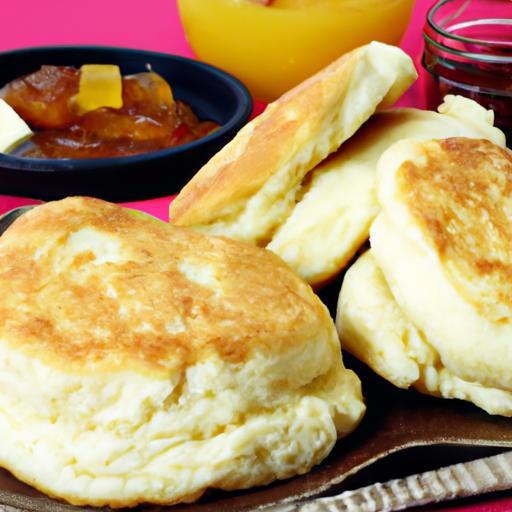
Embark on making your own perfect Johnny Cake, capturing centuries of tradition with a straightforward recipe that promises golden, crispy edges and a tender, comforting center.
Prep and Cook Time
- Planning Time: 10 minutes
- Cooking Time: 15 minutes
- Total Time: 25 minutes
Yield
Yields approximately 6 medium-sized johnny Cakes (serves 3-4).
Difficulty Level
Easy – Perfect for beginners and seasoned home cooks alike.
Ingredients
- 1 cup yellow cornmeal, medium grind
- 1/2 cup all-purpose flour, sifted
- 1 tablespoon granulated sugar
- 1 teaspoon baking powder
- 1/2 teaspoon fine sea salt
- 1 cup whole milk (or unsweetened almond milk for dairy-free)
- 2 tablespoons unsalted butter, melted + extra for pan
Instructions
- Mix dry ingredients: In a medium bowl, whisk together cornmeal, all-purpose flour, sugar, baking powder, and salt until fully combined.
- Combine wet and dry: Gradually pour in the milk while stirring, then fold in the melted butter. Aim for a thick yet pourable batter-if to thick, add a splash more milk.
- heat the skillet: Place a non-stick skillet or cast-iron pan over medium heat. Brush lightly with melted butter to create a golden base.
- Cook the cakes: Using a 1/4 cup measuring ladle, spoon batter onto the hot pan. Flatten slightly with the back of the ladle for a uniform shape.
- Sauté until golden: Cook for about 4-5 minutes on each side or until the surface is deeply golden and crisp edges form. Flip carefully with a spatula to avoid breakage.
- Keep warm and serve: Transfer finished Johnny Cakes to a warm plate covered with foil while cooking remaining batter.
Chef’s Notes and Tips for Success
- Texture tweak: For a fluffier result, separate one egg white and fold it in at the end, gently folding it into the batter for extra lift.
- Grind preference: Use medium-grind yellow cornmeal for customary texture; fine-ground yields a softer cake, while coarse adds crunch.
- make-ahead: Batter can be prepared the night before and refrigerated up to 24 hours. Stir gently before cooking.
- Pan choice: A cast-iron skillet provides the best heat retention and creates perfect crusty edges.
- Dairy-free option: Substitute milk with coconut or almond milk and butter with coconut oil or vegan butter alternatives.
Serving Suggestions
Johnny Cakes are a versatile canvas to customize. Serve hot with maple syrup and fresh blueberries for a classic breakfast treat or alongside a savory topping such as sautéed mushrooms and caramelized onions for brunch elegance.
For added flair, garnish with finely chopped fresh herbs like chives or parsley, or pair with your favorite hot sauce or a dollop of cultured butter to balance sweetness with savory richness.

| Nutrient | per Serving (2 cakes) |
|---|---|
| Calories | 210 |
| Protein | 5g |
| Carbohydrates | 32g |
| Fat | 7g |
For an in-depth exploration of other traditional American comfort foods, be sure to check our Southern Comfort Foods Guide. To uncover more about the rich history of cornmeal in indigenous diets, the Smithsonian offers an excellent resource here.
Q&A
Q&A: Johnny Cakes Uncovered: History and Delicious Recipes Revealed
Q1: What exactly are Johnny Cakes?
A1: Johnny Cakes are a type of unleavened cornmeal flatbread or griddle cake traditionally made from simple ingredients like cornmeal, water, and salt. Crispy on the outside and tender inside, they have been cherished for centuries as a hearty, comforting staple food across various cultures.
Q2: Where did Johnny Cakes originate?
A2: The roots of Johnny Cakes trace back to Native American cuisine, especially among the tribes of the Northeastern United States. Early European settlers adopted and adapted these cornmeal cakes, giving rise to the deliciously versatile Johnny Cake familiar today.
Q3: Why are Johnny Cakes sometimes called “journey cakes”?
A3: The name “Johnny Cake” is believed to be a shortened form of “journey cake,” reflecting their popularity as durable, easy-to-make sustenance for travelers and farmers heading on long journeys. Their simple recipe and portability made them a perfect companion for life on the move.
Q4: How do Johnny Cakes differ from similar cornmeal breads like hushpuppies or corn muffins?
A4: Unlike hushpuppies or corn muffins, which are often deep-fried or baked and may include leavening agents and added sweetness, Johnny Cakes are usually pan-fried on a griddle and remain unleavened or minimally risen. This gives them a distinctive texture-crisp edges with a soft, slightly dense crumb.
Q5: What are some traditional ways to enjoy Johnny Cakes?
A5: Johnny Cakes can be enjoyed plain or paired with a variety of toppings. Classic accompaniments include butter and maple syrup, fresh fruit preserves, or savory options like sautéed vegetables. they also serve beautifully as a base for shrimp and vegetable medleys or creamy stews.
Q6: Can Johnny Cakes be made gluten-free?
A6: absolutely! As Johnny Cakes primarily rely on cornmeal, they’re naturally gluten-free when made with pure cornmeal and other gluten-free ingredients.Just be sure to verify that any additional ingredients, like baking powder or spices, are free from gluten contamination.
Q7: How can I add creative twists to a basic Johnny Cake recipe?
A7: The beauty of Johnny Cakes lies in their versatility. Try incorporating finely chopped herbs such as rosemary or thyme, a pinch of chili flakes for heat, or a sprinkling of cheese into the batter. You can also experiment by using different types of cornmeal-stone-ground for a nuttier flavor or blue cornmeal for striking color and unique taste.
Q8: What is the best technique for cooking Johnny Cakes to achieve a perfect texture?
A8: Preheat a heavy skillet or cast-iron griddle over medium heat, lightly greased with butter or oil. Pour spoonfuls of batter, pressing down gently to form thin, even cakes. Cook until golden and crisp on one side (about 3-4 minutes), then flip carefully to cook the other side. Keeping the heat moderate ensures a delightful crunch without burning.
Q9: Are Johnny Cakes suitable for breakfast only?
A9: Not at all! While they make a fantastic breakfast companion, Johnny Cakes are wonderfully adaptable throughout the day. Serve them as an appetizer with dips, accompany a hearty lunch salad, or enjoy them alongside dinner stews and grilled vegetables. Their neutral flavor is a blank canvas for creative culinary use.
Q10: How have Johnny Cakes endured through history and across cultures?
A10: Johnny Cakes have endured because of their simplicity, affordability, and satisfying taste. Passed down through generations, they represent a delicious link between indigenous food traditions and modern kitchens. They continue to inspire cooks who appreciate wholesome, rustic cooking with soulful heritage.
To sum up
As we wrap up our journey through the rich history and mouthwatering recipes of johnny Cakes, it’s clear that these humble pancakes are much more than simple fare-they are a delicious bridge connecting generations and cultures.From their Native American origins to their place on modern breakfast tables, Johnny cakes continue to inspire cooks to experiment and savor every golden, crispy bite. Whether you’re a seasoned chef or a curious foodie, embracing the tradition of Johnny Cakes invites you to taste a piece of history, one recipe at a time. So next time you flip one of these golden disks, remember: you’re not just enjoying a meal-you’re celebrating a story centuries in the making.