

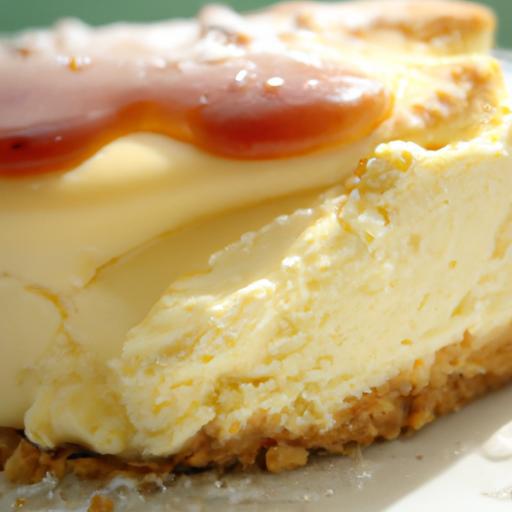
There’s a certain enchantment in the world of desserts, were tradition meets innovation to create something truly magical. Among these sweet wonders,Japanese cheesecake-often dubbed the “fluffiest cake on earth”-stands out as a delightful paradox: light yet rich,airy yet deeply satisfying. Its ethereal texture and subtle sweetness have captured the hearts of dessert lovers worldwide, transforming humble ingredients into a cloud-like masterpiece. In this article, we’ll journey into the engaging art and science behind this confectionery marvel, uncovering the secrets that make Japanese cheesecake a beloved treasure in the global dessert repertoire. Prepare to be whisked away into a world where fluffiness reigns supreme and every bite feels like a gentle hug.
Japanese cheesecake invites you into a world where softness meets subtle sweetness, showcasing a texture so uniquely airy it almost floats on your tongue. Originating in the post-war era of Japan, this delightful fluff revolutionized customary cheesecake by marrying Western cream cheese wiht Japanese soufflé techniques. As you slice in, you’ll notice its gentle wobble and melt-in-your-mouth lightness-qualities achieved through meticulous beating, careful folding, and the magic of perfect ingredient balance.
Prep and Cook Time
- Planning: 30 minutes
- Cooking: 50 minutes (plus cooling time)
- Total Time: 1 hour 20 minutes
Yield
serves 8 generous slices
Difficulty Level
medium – Requires patience and careful technique, but highly rewarding
Ingredients
- 250g cream cheese, softened
- 50g unsalted butter, softened
- 100ml whole milk
- 60g cake flour, sifted
- 20g cornstarch, sifted
- six large eggs, separated (room temperature)
- 140g granulated sugar, divided
- 1 tsp vanilla extract
- 1 tbsp fresh lemon juice
- pinch of salt
Instructions
- Preheat your oven to 320°F (160°C). Prepare a 9-inch springform pan by lining the bottom with parchment paper and wrapping the outside with aluminum foil to prevent water from seeping in during the water bath.
- In a heatproof bowl set over simmering water (double boiler), gently melt the cream cheese, butter, and milk together untill smooth. Remove from heat, then stir in vanilla extract and lemon juice.
- Whisk in the egg yolks, one at a time, ensuring each is fully incorporated before adding the next. Gradually sift in the cake flour and cornstarch, folding carefully to avoid lumps but maintaining airiness.
- in a clean, dry bowl, beat the egg whites with a pinch of salt using an electric mixer. When they start to foam, gradually add half of the sugar (70g), increasing speed until you achieve stiff, glossy peaks.
- Fold one-third of the meringue into the cream cheese mixture to lighten the batter. Gently fold in the remaining meringue in two additions, using a spatula and careful, sweeping motions to preserve the airy texture.
- Pour the batter gently into your prepared pan.Tap the pan lightly on the counter to release large air bubbles.
- Place the pan into a larger roasting pan filled halfway with hot water (water bath).bake for 50 minutes.The top should be a light golden color and a skewer inserted in the center should come out mostly clean.
- Turn off the oven, and leave the cheesecake inside with the door slightly ajar for 15 minutes to prevent cracking.
- Remove from oven and water bath; allow to cool completely in the pan before removing the springform.
Tips for Success
- Ensure all dairy ingredients are room temperature for smooth mixing and aeration.
- Sift flour and cornstarch well to avoid lumps and maintain a fine crumb.
- Beating egg whites to stiff peaks is key-if overbeat, they can become dry; underbeat will reduce volume.
- Folding must be gentle but thorough; use a silicone spatula with slow, sweeping motions.
- The water bath provides gentle, even heat to prevent cracking and ensure the cheesecake bakes softly.
- For make-ahead convenience, cover and refrigerate for up to 2 days; bring to room temperature before serving.
Flavor Variations to Elevate Your Experience
- Matcha Japanese cheesecake: Add 1 tbsp finely sifted matcha powder into the dry ingredients for an earthy, iconic Japanese flavor and a lovely green hue.
- Yuzu Citrus Twist: Substitute lemon juice with yuzu juice and add a teaspoon of zest for a zesty brightness that complements the light texture.
- Berry Swirl: Gently fold in a few tablespoons of fresh raspberry or blueberry purée just before baking for subtle fruity pockets.
- Chocolate Delight: incorporate 2 tbsp of unsweetened cocoa powder into the flour mixture, and top with a thin ganache layer after cooling.
Serving Suggestions
Present this ethereal Japanese cheesecake dusted with a delicate layer of powdered sugar and a few fresh berries on the side. A dollop of whipped cream or a drizzle of light honey enhances its subtle sweetness without overpowering its delicate flavor. For an elegant touch, garnish with edible flowers or a sprinkle of toasted almond slivers. Serve chilled but slightly before room temperature to best appreciate that signature floaty mouthfeel. Pair with a cup of freshly brewed green tea or a floral jasmine infusion to complete the experience.
| Nutritional Info (per serving) | Calories | Protein | Carbs | Fat |
|---|---|---|---|---|
| Japanese Cheesecake | 210 kcal | 6g | 20g | 12g |
Explore more creative cheesecake variations in our detailed guide on creamy desserts. for deeper insight into the science behind cake aeration and baking tips, visit Serious Eats.

Q&A
Q&A: The Delightful Fluff - Exploring Japanese Cheesecake Magic
Q1: What makes Japanese cheesecake different from the classic Western cheesecake?
A1: Unlike the dense and rich texture of traditional Western cheesecakes, Japanese cheesecake is famously light, airy, and almost cloud-like. This magical fluffiness comes from the whipped egg whites folded gently into the batter, creating a souffle-like texture that melts in your mouth. It’s a delicate, less sweet delight that balances creamy tanginess with an ethereal softness.
Q2: Where did Japanese cheesecake originate, and how did it become popular?
A2: Japanese cheesecake traces its origins to the post-war era when Western baking techniques began influencing Japanese cuisine.Inspired by European cheesecakes and soufflés, Japanese bakers crafted this unique hybrid that suited local tastes-less sugar, less fat, more delicate. It gained massive popularity in the 20th century and developed a cult following worldwide thanks to its irresistible texture and gentle flavor.
Q3: What are the key ingredients that give Japanese cheesecake its signature texture?
A3: The magic lies mainly in three components: cream cheese for richness, eggs for structure, and sugar to sweeten without overpowering. But the true secret ingredient is the meringue made from whipped egg whites, which is folded into the batter to introduce air and lightness. Some recipes also add a touch of lemon juice or vanilla to brighten the flavor.
Q4: How is Japanese cheesecake typically baked?
A4: Japanese cheesecake is usually baked in a water bath (bain-marie), which creates a gentle and moist baking environment, preventing cracks and ensuring that the cake stays soft and jiggly. The low and slow bake helps maintain that signature fluffy texture and creates a slightly browned, tender exterior without drying out the interior.
Q5: Can Japanese cheesecake be flavored in different ways?
A5: absolutely! While the classic version stays simple with cream cheese and vanilla, creative bakers experiment with matcha (green tea), yuzu (Japanese citrus), chocolate, and even sakura (cherry blossom) flavors. These additions complement the delicate nature of the cake while adding a subtle twist to the experience.
Q6: How should Japanese cheesecake be served and stored?
A6: Best enjoyed chilled or at room temperature, Japanese cheesecake pairs wonderfully with fresh fruit, a dusting of powdered sugar, or a drizzle of glaze. Because of its softness, it’s recommended to store it in an airtight container in the refrigerator and consume within a few days for the best texture and flavor.
Q7: Why has Japanese cheesecake become a global sensation?
A7: Its universal appeal lies in the perfect marriage of decadent creaminess and featherlight airiness-a comforting yet sophisticated dessert that feels indulgent without heaviness. Social media trendsetters adore its jiggly wobble and delicate crumb, making it a darling of food photographers and dessert lovers worldwide.
Q8: Can home bakers recreate the magic of Japanese cheesecake?
A8: Yes! While it requires some patience and gentle folding techniques, the recipe isn’t overly complicated. The key is mastering the meringue and the slow baking process. With a little practice, home bakers can transport themselves (and their guests) straight to a quaint Tokyo cafe with every bite of this delightful fluff.
Discovering Japanese cheesecake is like tasting a cloud you never want to let go. Its magical balance of lightness and creamy bliss makes it a true marvel of modern baking-one slice, and you’ll understand why it’s captured hearts around the globe.
In Summary
As we close the chapter on the enchanting world of Japanese cheesecake, it’s clear that this light and airy dessert is much more than just a sweet treat-it’s a delicate balance of tradition, technique, and a touch of culinary artistry. From its ethereal texture to its subtly sweet flavor,the delightful fluff of japanese cheesecake invites us to appreciate the magic that happens when simplicity meets precision. Whether you’re a seasoned baker or a curious foodie, exploring this cake offers a delicious journey into Japanese dessert culture-one slice at a time. So next time you crave something both comforting and extraordinary, remember the gentle allure of Japanese cheesecake, where every bite is a little moment of whimsy and wonder.