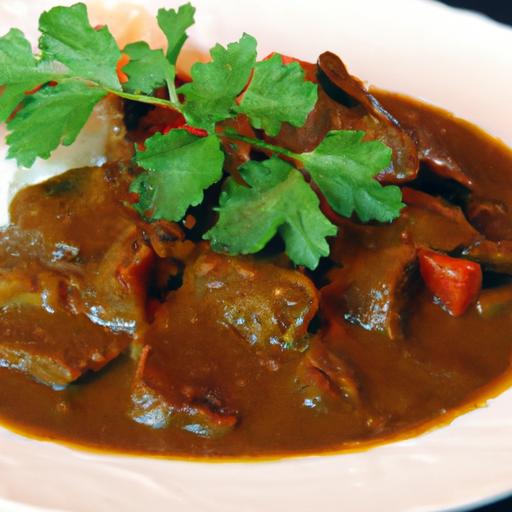




In the world of comfort foods, few dishes captivate the senses quite like Japanese beef curry. A harmonious blend of tender,melt-in-your-mouth beef,velvety sauce,and a symphony of spices,this beloved staple is much more than just a hearty meal-it’s a cultural experience steeped in tradition and flavor. Unlocking the rich flavors of authentic Japanese beef curry reveals a culinary story that spans continents and centuries,where each ingredient and technique plays a vital role in crafting a dish both familiar and extraordinary. Join us as we delve into the secrets behind this iconic stew, exploring how to bring its deep, savory essence from the heart of Japan right to your own table.
Discovering the origins and Unique Characteristics of Japanese Beef Curry
Unlocking the rich flavors of authentic Japanese beef curry begins with understanding its fascinating origins and the nuances that set it apart from other curry styles worldwide. This comfort dish, beloved across Japan, traces back to the Meiji era when Japan frist embraced Western influences, combining British-style curry roux with Japanese culinary sensibilities. Unlike its spicier South Asian counterparts, Japanese curry is known for its mild, savory-sweet profile and thick, hearty texture that envelopes tender chunks of beef with velvety warmth.
One captivating aspect of Japanese beef curry is its emphasis on simplicity enhanced with layers of umami - from caramelized onions to carefully balanced aromatic spices. The slow simmering process tenderizes each bite while infusing the rich sauce with deep flavor. This dish beautifully exemplifies the Japanese culinary art of harmony and balance, making every spoonful a soul-soothing experience.
Selecting the Perfect Cut of Beef for Maximum Flavor and Tenderness
The secret to soulfully tender Japanese beef curry lies in choosing the ideal cut of beef. For an authentic taste and luxurious mouthfeel, opt for chuck roast or brisket. These cuts are rich in connective tissue, which breaks down into gelatin when slow-cooked, lending the curry a luscious body and melt-in-your-mouth texture.
If you prefer leaner meat, short rib is a splendid choice, combining flavor with tender marbling.Avoid overly lean cuts such as sirloin, as they tend to dry out during the long simmer. when purchasing, look for beef with a vibrant red color and fine marbling. Cubing the beef into uniform, generous pieces – about 1½ inches - ensures even cooking and maximum juiciness.
Mastering the Art of balancing Spices and Aromatics in Your Curry Base
Unlocking the rich flavors of authentic Japanese beef curry also demands finesse in your spice and aromatics blend. The foundation is a carefully curated mixture of curry powders melded with warming spices like turmeric,coriander,and cumin. These spices are gently toasted to bloom their oils and deepen their aroma before blending with the roux.
Aromatic staples, including slowly caramelized onions, garlic, and grated ginger, create a sweet, fragrant base that harmonizes beautifully with the mild curry spice. Adding a touch of apple or honey imparts a subtle sweetness that balances the savory undertones and enriches the sauce’s complexity. The slow simmering process encourages the flavors to marry perfectly, resulting in a thick, glossy curry brimming with depth and warmth.
Expert Tips for Achieving the Ideal Texture and Presentation Every Time
Textural perfection is essential for a memorable bowl of Japanese beef curry. Achieving a velvety consistency hinges on two key elements: time and technique. Sear the beef until deeply browned to lock in juices, then simmer gently with your curry base to allow the sauce to thicken naturally. Stir regularly to prevent sticking and to encourage a smooth finish.
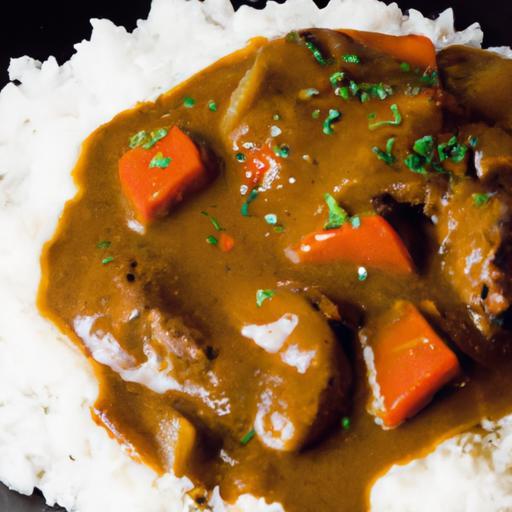
For a flawless presentation, serve the curry over steamed, fluffy Japanese short-grain rice, which acts like a perfect canvas absorbing every drop of the luscious sauce. Garnish with thinly sliced scallions, a sprinkle of toasted sesame seeds, or a side of shining fukujinzuke (Japanese pickled vegetables) to add a contrasting tang and crunch. Visual appeal is just as vital as flavor; the glossy, richly colored curry should glisten invitingly on your plate.
Prep and Cook Time
- Preparation: 20 minutes
- Cooking: 2 hours 30 minutes
Yield
Serves 4 hearty portions
Difficulty Level
medium – requires slow simmering and layering of flavors
Ingredients
- 1.5 lbs beef chuck roast, cut into 1½-inch cubes
- 3 tbsp vegetable oil
- 2 large onions, thinly sliced
- 3 cloves garlic, minced
- 1 tbsp freshly grated ginger
- 2 tbsp all-purpose flour
- 1 tbsp mild curry powder
- 1 tsp turmeric powder
- 1 tsp ground coriander
- 1 tsp ground cumin
- 4 cups beef broth (low sodium)
- 1 large carrot, peeled and cut into chunks
- 2 medium potatoes, peeled and cut into chunks
- 1 tbsp soy sauce
- 1 tbsp honey
- 1 small apple, grated
- Salt and freshly ground black pepper to taste
- Steamed Japanese short-grain rice, for serving
instructions
- Prepare the beef: Pat beef cubes dry with paper towels. Heat 2 tbsp vegetable oil in a heavy-bottomed pot over medium-high heat. Sear beef in batches until deeply browned on all sides, about 4-5 minutes per batch. Remove and set aside.
- Caramelize onions: Lower heat to medium. Add remaining oil and sliced onions to pot. Sauté gently until golden brown and sweet, about 15 minutes, stirring frequently enough to avoid burning.
- Add aromatics: Stir in minced garlic and grated ginger, cooking until fragrant, 1-2 minutes.
- Create roux and spice base: Sprinkle flour over onions, stirring constantly to form a smooth paste. Toast curry powder, turmeric, coriander, and cumin in a dry skillet for 1 minute, then incorporate into the roux, mixing thoroughly.
- Deglaze and simmer: Gradually whisk in beef broth to dissolve the roux.Add seared beef back to the pot along with carrots, potatoes, soy sauce, honey, and grated apple. Bring to a gentle boil, then reduce heat to low.
- Slow cook: Cover and simmer for 2 hours, stirring occasionally, until beef is fork-tender and sauce thickens to a silky consistency. Adjust salt and pepper to taste.
- Final touches: Remove lid and simmer uncovered 10 minutes if you prefer a thicker sauce. For extra gloss, swirl in a knob of unsalted butter just before serving.
- Serve: Spoon curry lavishly over hot steamed Japanese short-grain rice. Garnish with scallions or fukujinzuke pickles if desired.
Chef’s Notes & Tips for Success
- Make ahead: Japanese beef curry tastes even better the next day as flavors mellow and intensify. Store refrigerated up to 3 days or freeze for up to 1 month.
- Vegetable variations: Add diced pumpkin or sweet potato for natural sweetness and vibrant color.
- Spice level: Adjust curry powder amount to suit your preference. For subtle warmth, use mild curry powder; for richer depth, add garam masala or a pinch of cayenne cautiously.
- Thickness tips: If curry is too thin after cooking, stir in a small mixture of flour and water to thicken gently over low heat, avoiding lumps.
- Beef choices: Chuck roast is most forgiving; avoid lean cuts as they can toughen.
- Internal link: For an exquisite rice pairing, check out our guide on preparing perfect Japanese rice.
- External resource: Learn more about Japanese curry history on JapaneseCurry.com.
Nutritional Data (per serving)
| calories | Protein | Carbs | Fat |
|---|---|---|---|
| 480 kcal | 38 g | 35 g | 18 g |

Q&A
Q&A: Unlocking the Rich Flavors of Authentic Japanese Beef Curry
Q1: What sets Japanese beef curry apart from other types of curry?
A1: Japanese beef curry is renowned for its harmonious balance between rich,deep flavors and a comforting,mellow sweetness.Unlike spicier curries from other regions, it’s characterized by a thick, velvety sauce that slowly simmers to develop layers of umami, frequently enough incorporating tender, melt-in-your-mouth beef, and a blend of vegetables such as onions, carrots, and potatoes.
Q2: Which cuts of beef work best for making authentic Japanese curry?
A2: For Japanese beef curry, cuts with good marbling and connective tissue, like chuck or brisket, shine brightest. These cuts become deliciously tender and flavorful with slow cooking, enriching the curry’s texture while infusing the sauce with savory depth.
Q3: How do Japanese curry roux blocks contribute to the flavor profile?
A3: Curry roux blocks are the quintessential secret to authentic Japanese curry. Made from a careful mix of butter, flour, and spices, these blocks create the curry’s signature thickness and subtle sweetness.They harmonize the spices and balance savory elements,making them a must-have for recreating that comforting homemade taste.
Q4: Can you achieve the same depth of flavor without store-bought roux?
A4: Absolutely! you can craft your own roux by gently cooking butter and flour before gradually adding aromatic spices like turmeric, cinnamon, and cardamom. Complement this with sautéed onions caramelized to a perfect golden brown and slow-simmered beef broth. While more time-intensive, this approach unlocks a truly personalized and rich curry base.
Q5: What role do vegetables play in Japanese beef curry?
A5: Vegetables like onions,carrots,and potatoes aren’t just fillers-they’re flavor powerhouses. Onions caramelize into a natural sweetness that balances the spices,carrots add earthy notes and gentle texture,and potatoes absorb the curry’s essence,creating cozy pockets of flavor that complete every bite.
Q6: How critically important is the simmering process in building authentic flavor?
A6: Patience is key! Slow simmering allows the beef’s gelatin and marrow to melt into the sauce, enriching it with a luscious mouthfeel. this gradual melding of ingredients creates the multi-dimensional flavors that define Japanese curry, making it far more than just a quick stew.
Q7: Are there any tips for serving Japanese beef curry traditionally?
A7: Traditionally, Japanese beef curry is served over steaming hot, perfectly cooked short-grain rice, which soaks up the sauce beautifully. Garnishes like fukujinzuke (pickled vegetables) add a bright, tangy contrast, while a simple side salad can refresh the palate between spoonfuls.
Q8: Can Japanese beef curry be adapted for a lighter or healthier meal?
A8: Definitely. To lighten the dish, consider using leaner beef cuts or trimming excess fat. Incorporating more vegetables or adding a touch of apple or grated carrot can enhance natural sweetness, reducing the need for added sugar. Also, using less roux or opting for homemade versions with controlled butter and flour amounts can help balance richness without sacrificing flavor.
Q9: What’s the best way to store and reheat Japanese beef curry?
A9: Japanese beef curry actually improves overnight, as the flavors deepen with resting. Store it in an airtight container in the refrigerator for up to three days. When reheating, gently warm on the stove to preserve the sauce’s texture-avoid microwaving if possible to maintain the velvety consistency.
Q10: Why does Japanese beef curry hold such a beloved place in Japanese home cooking?
A10: Japanese beef curry embodies comfort, nostalgia, and versatility. It’s a dish that brings families together, with its inviting aroma and rich flavor offering a delicious reprieve from busy days. Simple to prepare yet endlessly customizable, it’s the taste of warmth and home in every tender, saucy bite.
Future Outlook
As the aroma of simmered spices fades and the last bite of tender beef melts away, you’re left with more than just a satisfied palate-you carry a newfound appreciation for the rich tapestry of flavors that define authentic Japanese beef curry. This dish is more than a meal; it’s a culinary journey weaving together tradition, technique, and a touch of homegrown warmth.By unlocking its secrets, you’ve not only discovered how to create a comforting classic but also how food can tell a story, one simmering pot at a time. So next time you crave something hearty and heartwarming, remember: authentic Japanese beef curry awaits, ready to transform your kitchen into a gateway of flavor and culture.