

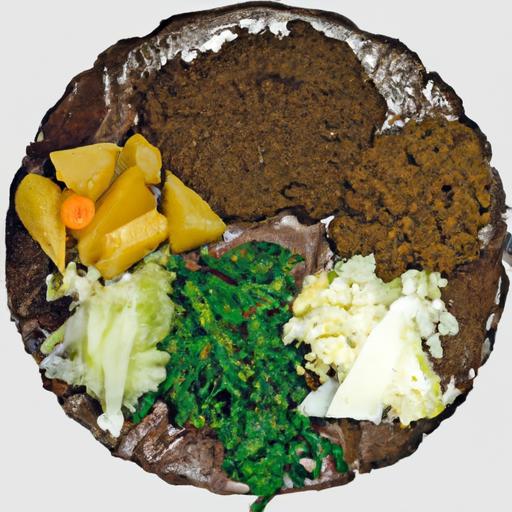
beneath the rich tapestry of Ethiopian cuisine lies a culinary wonder that has captivated taste buds for centuries: injera. This spongy, tangy flatbread is much more than a simple staple-its a cultural emblem, a communal experience, adn a living link to Ethiopia’s ancient heritage. In “Injera Unveiled: Ethiopia’s Timeless Tangy treasure Explained,” we embark on a flavorful journey to decode the science, tradition, and artistry behind this iconic bread. From its unique fermentation process to its role in Ethiopian gatherings, discover how injera transcends food to become a symbol of identity, nourishment, and timeless tradition.
the Art of Fermentation: Unlocking Injera’s Unique Flavour Profile
Injera Unveiled: Ethiopia’s Timeless Tangy Treasure Explained begins with the engaging process that creates injera’s signature tangy depth – fermentation. This ancient technique transforms simple teff flour and water into a delicate, spongy flatbread bursting with flavor. The natural wild yeasts and lactobacilli lend injera its iconic sourness, which dances beautifully on the palate and sets the stage for every Ethiopian feast.
Originating from the Horn of Africa, the fermentation process is both an art and science passed through generations, carefully balanced to awaken injera’s full character. Through patience and nurturing, the batter bubbles with life, developing subtle notes that modern culinary experts continue to celebrate and reimagine.
Prep and Cook Time
- Preparation: 12 hours (includes fermentation time)
- cooking: 20-30 minutes
- Total Time: 12 hours 30 minutes
Yield
- Approximately 10 injera (10-inch diameter each)
Difficulty Level
- Medium – requires attention to fermentation and batter consistency but rewarding for all skill levels
Ingredients
- 2 cups teff flour (preferably brown teff for earthy flavor)
- 3 cups water, filtered, at room temperature
- 1/4 teaspoon salt
- Optional starter: 1/4 cup fermented injera batter from previous batch (to jumpstart fermentation)
Instructions
- Mix the batter: In a large, non-reactive bowl, combine the teff flour and water. Stir vigorously until smooth and lump-free. Add the optional fermented starter if you have one; it speeds up fermentation and deepens flavor.
- Cover and ferment: Cover the bowl loosely with a clean kitchen towel or plastic wrap, allowing airflow but keeping out dust. Leave at room temperature (68-75°F/20-24°C) for 12-48 hours. The batter should bubble and develop a gentle sour aroma; timing depends on your environment.
- Check batter readiness: When the surface has bubbles and the batter slightly rises,stir in 1/4 teaspoon salt to balance flavors and improve texture.
- Adjust batter consistency: Add a splash of water if needed – the batter should be pourable but thick enough to coat a pan like a crepe batter (about heavy cream consistency).
- Heat your pan: Preheat a non-stick or cast-iron skillet (12 inches ideal) over medium heat until hot. No oil or butter is added to preserve injera’s characteristic porous surface.
- Cook each injera: Pour a ladleful of batter in a spiral motion from the outside towards the center, about 1/4 inch thick.Cover the pan with a lid to trap steam, cooking for ~2-3 minutes until holes form on the surface and the top is matte and set.
- Remove and cool: Gently lift the injera with a spatula and transfer it to a clean kitchen towel to cool. Do not flip injera – it cooks only on one side, creating its distinctive texture.
- Repeat with remaining batter to create a stack of lovely injera, perfect for sharing.
Chef’s Notes: Tips for Success
- Environment matters: Fermentation time varies greatly by temperature – warmer climates speed up souring; cooler ones slow it down. Start checking at 12 hours.
- Starter culture: Reserve a quarter bucket of fermented batter as your starter for future batches. This adds consistency and depth to the sour note.
- Teff alternatives: While 100% teff flour delivers authenticity, blending 1 cup teff with 1 cup all-purpose or whole wheat flour can soften flavor and reduce cost.
- Consistency control: If batter feels too thick or lumps form, gently whisk in more water in 1-2 tablespoon increments.
- Pan and heat: Use a heavy-bottomed skillet to ensure even heat and absorb moisture for perfect holes. Avoid non-stick with oil; the pores form best on a dry surface.
Serving Suggestions: Pairing Perfection
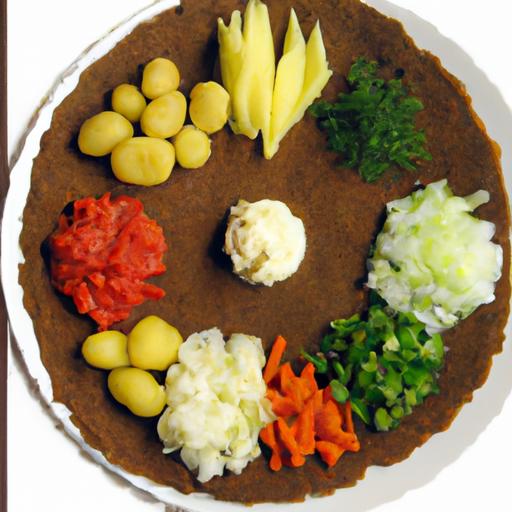
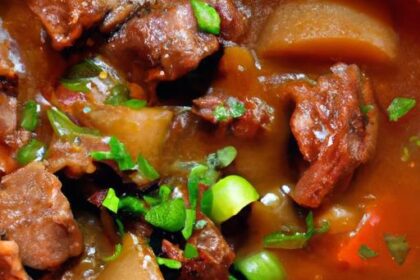
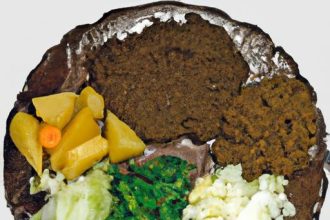
Injera is more than bread; it’s the edible plate of Ethiopian cuisine, absorbing stews and honey alike. Serve warm injera topped with spicy misir wot (lentil stew),doro wat (chicken stew),or a vibrant atkilt wot (mixed vegetable stew). Garnish with fresh cilantro and a drizzle of niter kibbeh (Ethiopian spiced clarified butter) on the side for an aromatic finish.
For beverages, pair injera with tej (honey wine) or complimentary spiced teas like this article on traditional tej to elevate your dining experience.For a non-alcoholic option, Ethiopian-style spiced coffee or fresh ginger tea balances the tang beautifully.
| Nutrient | Per 1 Injera (approx. 90g) |
|---|---|
| Calories | 160 kcal |
| Protein | 5 g |
| Carbohydrates | 34 g |
| Fat | 1 g |

Discover more authentic Ethiopian recipes like Doro Wat: The Heart of Ethiopian Cooking to complement your injera meals and create a soulful dining event at home.
Q&A
Q&A: Injera Unveiled – Ethiopia’s timeless Tangy Treasure Explained
Q1: What exactly is injera?
A1: Injera is a spongy, sourdough flatbread that serves as the edible canvas for Ethiopian cuisine. Made primarily from teff flour, its unique texture and tangy flavor make it much more than just bread-it’s an essential cultural experience and the foundation of almost every Ethiopian meal.
Q2: Why does injera have that distinct tangy taste?
A2: The signature tanginess of injera comes from natural fermentation. After mixing teff flour with water, the batter ferments for several days, where naturally occurring wild yeasts and lactobacilli work their magic. This fermentation not only develops flavor but also gives injera its characteristic slightly sour, almost citrusy undertone.
Q3: What is teff, and why is it special for making injera?
A3: Teff is an ancient grain native to the horn of Africa. Tiny but mighty, its flour is gluten-free, rich in protein, fiber, iron, and calcium. Teff’s light texture and neutral flavor are perfect for fermenting, which helps injera develop its airy crumb and tang without overpowering the taste of the dishes it is paired with.
Q4: How is injera traditionally made?
A4: Making injera is an art that starts with soaking teff flour in water,then allowing it to ferment for 2-3 days at room temperature.When the batter is ready, it’s poured onto a large, round griddle called a mitad and cooked like a crepe. Bubbles form on the surface, creating its signature honeycomb texture. The injera is then cooled and ready to cradle flavorful stews and vegetables.
Q5: What role does injera play in Ethiopian dining culture?
A5: Injera is much more than bread-it’s the centerpiece of Ethiopian communal dining. Instead of utensils, diners use pieces of injera to scoop up sides like lentils, spicy stews, and greens. Sharing and eating from a common platter fosters connection and community, making every meal a festivity of togetherness.
Q6: Are there variations of injera beyond teff?
A6: While 100% teff injera is considered ideal, due to teff’s price and availability, many cooks blend in grains like barley, sorghum, or wheat to stretch the batter. Each variation offers subtle differences in flavor and texture, but true purists cherish the delicate tang and nutrition of pure teff injera.
Q7: can injera be stored or reused?
A7: Fresh injera is soft and best enjoyed the same day, but it can be kept covered in the refrigerator for a day or two. Some peopel love to wrap leftover injera around fillings for quick snacks or reheat it lightly on a skillet to revive its pliability and warmth.
Q8: How has injera influenced global culinary trends?
A8: Injera’s rise on the global stage showcases the beauty of naturally fermented foods with complex flavors and rich textures. Its gluten-free nature appeals to many modern diets,while its unique tang and sponge-like surface invite chefs worldwide to explore new ways to present dips,salads,and creative dishes.
Q9: What is the best way to savor injera at home?
A9: To truly appreciate injera, pair it with traditional Ethiopian dishes like doro wat (spiced chicken stew), misir wat (red lentil stew), or atkilt wat (vegetable stew). Tear off a piece, use it to scoop up the vibrant stews, and let your palate dance with each tangy, spicy, and savory bite.
Unveiling injera reveals not just a bread but a story of heritage, fermentation science, and spirited communal dining. It’s Ethiopia’s timeless tangy treasure, inviting all to taste its legacy bite by bite.
Key Takeaways
As we peel back the layers of Injera’s storied history and tangy allure, it becomes clear that this humble flatbread is far more than just a staple-it is a living testament to Ethiopia’s rich cultural tapestry. From the bubbling fermentation that gives it its signature zing to the communal rituals that elevate every meal into a shared celebration, Injera invites us to savor not only its unique flavor but also the stories it carries. whether you’re a culinary adventurer or simply curious, embracing Injera is an invitation to connect with a timeless tradition that continues to nourish bodies and souls alike. So next time you encounter this spongy, sour marvel, remember: you’re tasting centuries of heritage, one delightful bite at a time.