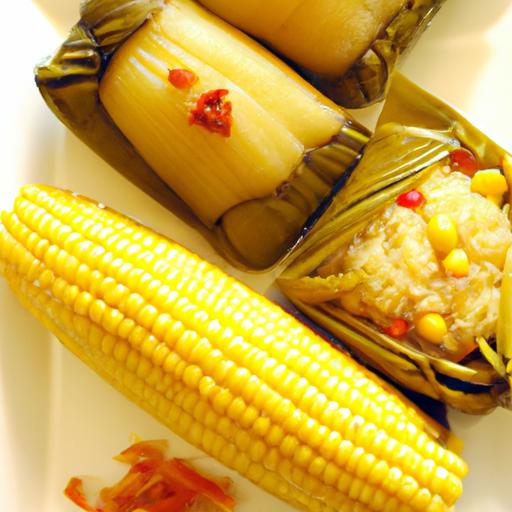

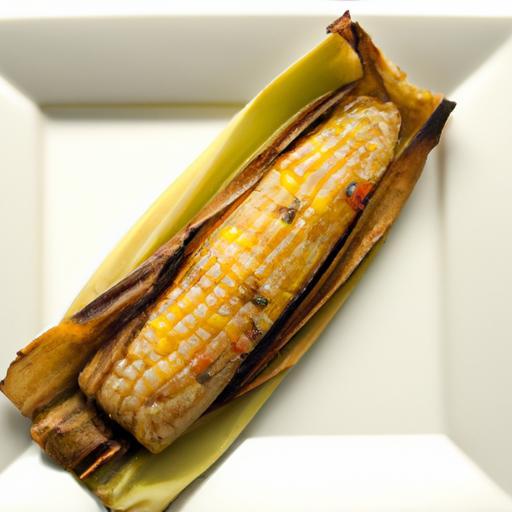
Nestled high in the rugged Andes, where ancient customs intertwine with breathtaking landscapes, a culinary treasure unfolds: Humita en Chala.This humble yet enchanting dish, wrapped lovingly in corn husks, invites us on a flavorful journey deep into the heart of Andean tradition. More than just food, humita en chala is a vibrant expression of culture, history, and the enduring relationship between the people and their land. Through its aromas and textures, it tells stories of harvest celebrations, communal gatherings, and timeless recipes passed down through generations-offering not just a meal, but a taste of heritage waiting to be savored.
humita en Chala holds a treasured place in Andean culinary heritage, weaving together stories of indigenous cultures, local agriculture, and festive traditions. Originally crafted by the Quechua and Aymara communities, this exquisite corn-based delight showcases the brilliance of simple, seasonal ingredients wrapped lovingly in fresh corn husks (chalas). Growing up amidst the Andean highlands, I recall how the sweet aroma of steaming humitas would gather families and neighbors alike, each bite delivering a harmonious blend of creamy corn, aromatic herbs, and a subtle hint of rustic earthiness.
Prep and Cook Time
- Planning: 25 minutes
- Cooking: 40 minutes
- Total Time: 1 hour 5 minutes
Yield
- Serves 6-8 portions
Difficulty Level
- Medium – Requires some care in handling corn husks and perfecting the dough consistency
Customary Ingredients That Define the Authentic Flavor
- 8 fresh dried corn husks (chalas), soaked in warm water for 15 minutes
- 6 cups fresh corn kernels (or thawed frozen corn for off-season)
- 1 medium white onion, finely chopped
- 2 tbsp vegetable oil (sunflower or neutral oil)
- 1/2 cup fresh queso fresco, crumbled (or a mild farmer’s cheese)
- 2 tbsp panela (unrefined cane sugar) or brown sugar
- 1 tsp ground anise seed or aniseed powder for aromatic depth
- 1/4 cup fresh basil leaves, finely chopped
- Salt to taste
- 1/4 cup milk (optional, for creamier texture)
Step by Step Preparation for a Perfect Humita experience
- Prepare the corn husks: Soak the chalas in warm water for 15 minutes until pliable. Carefully rinse and set aside on a clean towel to remove excess moisture.
- Sauté the onion: Heat vegetable oil in a skillet over medium heat. Add chopped onion and cook until translucent and golden, about 5 minutes, stirring occasionally to avoid burning.
- Process the corn kernels: Using a food processor or blender, pulse the fresh corn until you achieve a coarse, slightly chunky paste-avoid overblending to retain texture.
- Combine ingredients: In a large bowl, mix the ground corn, sautéed onions, crumbled queso fresco, panela, ground anise, chopped basil, and salt. Add milk gradually if you desire a silkier blend; incorporate until loosely combined but not runny.
- Assemble humitas: lay out one soaked corn husk flat and spoon approximately 1/2 cup of the corn mixture into the center. Fold the husk tightly over the filling from edges, creating a secure bundle, then fold the ends underneath to seal.
- steam: Place the bundled humitas upright in a steamer basket over boiling water. Cover and steam for 35-40 minutes,until the corn dough is set and tender but not mushy.
- Cool and serve: Remove carefully from the steamer and let sit for 5 minutes before unwrapping.
chef’s Notes & tips for Success
- Freshness is key: Whenever possible, use fresh local corn and ripe chalas. The natural sweetness of corn enhances the authentic humita flavor profoundly.
- Texture balance: If you prefer a creamier humita, incorporate a touch more milk or finely ground cornmeal, but maintain a pliable dough to avoid drying during steaming.
- Cheese alternatives: Substitute queso fresco with mild ricotta or farmer’s cheese for variation, but avoid overly salty or crumbly types that disrupt harmony.
- Make-ahead: Prepare humitas in advance, refrigerate wrapped, and steam fresh before serving; they reheat beautifully without losing moisture.
- Steaming tips: Keep the water boiling throughout,and avoid overcrowding the steamer basket to ensure even cooking.
pairing Suggestions to Enhance Yoru andean Culinary Adventure
Enjoying humita en chala is an invitation to explore the richness of Andean flavors through thoughtful pairings. Serve alongside a vibrant quinoa salad with native vegetables to add textural contrast and nutritional depth. A chilled glass of fresh api morado (purple corn drink) refreshes the palate with subtle sweetness and hints of cinnamon and clove.
For garnishing, a sprinkle of finely chopped fresh herbs such as cilantro or parsley brightens the dish’s earthy tones. A side of mild ají amarillo sauce can add a gentle heat without overpowering the delicate corn flavors,making the whole meal a captivating dive into the heart of Andean tradition.

| Nutrient | Per Serving |
|---|---|
| Calories | 220 kcal |
| Protein | 7 g |
| Carbohydrates | 38 g |
| Fat | 5 g |
Q&A
Q&A: Humita en Chala – A Flavorful Journey into Andean Tradition
Q1: What exactly is Humita en Chala?
A1: Humita en Chala is a traditional Andean dish made from fresh ground corn, mixed with aromatic herbs, cheese, and spices, all lovingly wrapped in corn husks (chalas) before being steamed or boiled. It’s more than just food – it’s a culinary thread that weaves together centuries of indigenous culture and agricultural heritage.
Q2: Where does Humita en Chala originate?
A2: Humita en Chala originates from the Andean regions of South America, especially in countries like Peru, Bolivia, Ecuador, and parts of northern Argentina and Chile. The dish reflects the importance of corn – a sacred crop in Andean cosmology – and showcases local customs passed down through generations.
Q3: How is Humita en Chala traditionally prepared?
A3: Traditionally, fresh corn kernels are grated or ground into a soft, creamy masa (dough).This mixture is blended with ingredients such as sautéed onions, fragrant herbs like cilantro or basil, and often cheese that melts into a creamy center. The filling is then carefully wrapped in fresh corn husks, tied, and steamed until tender and infused with the subtle sweetness of corn and smokiness from the husks.
Q4: What makes the use of corn husks (chalas) special in this dish?
A4: The corn husks not only serve as a natural, biodegradable wrapper but also impart a delicate earthy aroma to the humita while protecting the filling during cooking. This method enhances the dish’s authenticity, connecting the eater directly with the raw agricultural bounty of the Andes.Q5: Are there variations of Humita en Chala across different regions?
A5: Absolutely. While the core ingredients remain similar, regional variations exist that reflect local tastes and available ingredients.Some versions might include chili peppers for a spicy kick, others might add local cheeses or herbs, and the level of sweetness can vary depending on whether the dish is intended as a snack, side, or main course.
Q6: How is Humita en Chala traditionally enjoyed or served?
A6: Humita en Chala is often served hot and fresh, either as a breakfast item, a comforting snack, or part of a festive meal. it pairs beautifully with simple sides like fresh salads or roasted vegetables, allowing the corn’s flavor to shine. The ritual of unwrapping the husk is part of the experience - unveiling the golden treasure within.
Q7: What cultural significance does Humita en Chala hold?
A7: Beyond its delicious flavor, Humita en Chala symbolizes the enduring connection between people and their land in the andes. It honors the cycles of planting and harvest,community gatherings,and traditional ways of cooking that sustain identity in a rapidly changing world. Eating humita is a way to savor history and celebrate life’s simple pleasures.
Q8: Can Humita en Chala be made at home by those unfamiliar with Andean cooking?
A8: Definitely! while authentic preparation involves fresh corn and specific regional techniques,home cooks can recreate the essence of Humita en Chala with accessible ingredients. Fresh corn or frozen kernels can be ground or pureed, mixed with herbs and cheese, wrapped in corn husks (available at Latin markets), and steamed. It’s a creative and rewarding way to invite a bit of Andean tradition into your kitchen.
Q9: What flavors and textures can one expect when tasting Humita en Chala?
A9: Expect a harmony of sweet, creamy, and slightly savory notes with the fresh corn’s natural sweetness balanced by herbs and cheese. The texture is tender yet slightly grainy from the corn, enveloped in a moist, gently firm casing that contrasts beautifully with the smooth filling. It’s a comforting bite that feels both rustic and refined.
Q10: Why should modern food enthusiasts explore dishes like Humita en Chala?
A10: Exploring Humita en Chala opens a gateway to understanding Andean culture, agriculture, and history through the palate. It’s a celebration of indigenous wisdom in sustainable cooking, a nod to slow food traditions, and an invitation to savor simple, authentic flavors that nourish both body and soul. For those seeking culinary adventure with heart, humita is a delicious destination.
Wrapping Up
As the final aroma of Humita en Chala lingers in the air, we are reminded that this humble Andean dish is much more than a simple meal-it is a vibrant thread woven into the rich tapestry of South American heritage. Each bite invites us to savor centuries of tradition, where indigenous wisdom meets the bounty of the land, wrapped lovingly in corn husks. Whether shared around a family table or discovered on a bustling market street, Humita en Chala offers not just nourishment but a flavorful journey into the heart of Andean culture. embracing this dish means embracing a story of community, resilience, and the enduring spirit of a people who transform the simplest ingredients into culinary art. so next time you unwrap a warm, fragrant humita, remember your tasting a legacy passed down through generations-a true celebration of the Andes in every delicious mouthful.