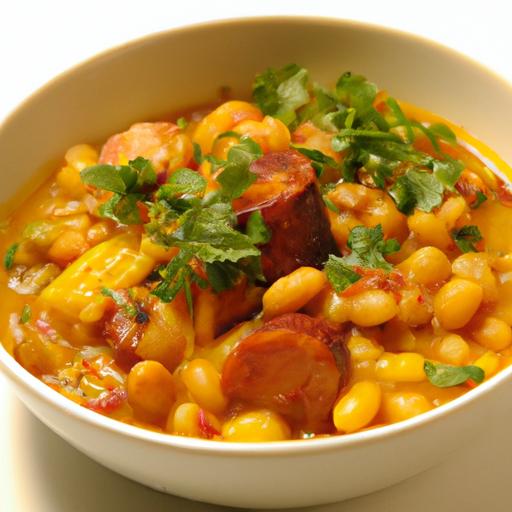




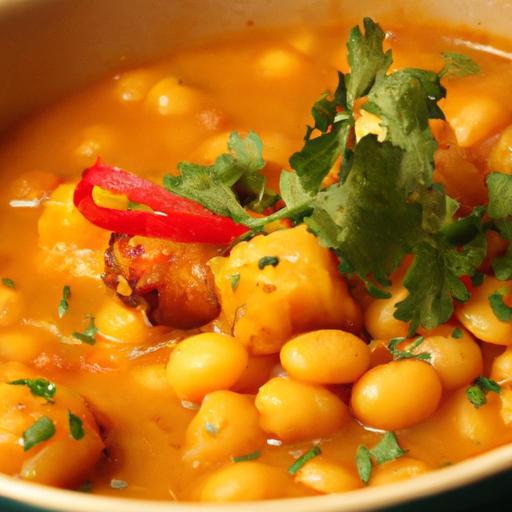
Rich in history and bursting with flavor,locro is more than just a stew-it’s a culinary emblem of South America’s vibrant heart. This hearty dish, steeped in tradition, brings together simple ingredients into a comforting bowl that tells stories of Andean landscapes and communal gatherings. Whether you’re a seasoned cook or a curious food lover, this guide to a classic locro recipe will take you on a savory journey, revealing the secrets behind its thick, warming consistency and wholesomely satisfying taste. Prepare to dive into a timeless tradition that’s as nourishing to the soul as it is to the body.
Hearty Locro Recipe: A Conventional South American Stew Guide
hearty Locro recipe is an iconic dish rich with history, warmth, and the spirit of South America. This thick, comforting stew has been a culinary cornerstone especially in Andean regions such as Argentina, Bolivia, and Peru, where it symbolizes not only hearty nourishment but also a deep connection to indigenous culture and shared celebrations. Remembering my first spoonful of locro during a chilly autumn festival in Argentina,I was captivated by its layers of smoky,creamy,and subtly spiced flavors that told stories of ancient community feasts and family tables. This vibrant dish invites you to slow down, savor each ingredient, and experience an authentic taste of South American tradition right in your own kitchen.
Prep and Cook Time
- Readiness Time: 20 minutes
- Cooking Time: 2 hours 30 minutes
- Total Time: 2 hours 50 minutes
Yield
Serves 6 generous portions
Difficulty Level
Medium – Requires some simmering time and ingredient prep but accessible for home cooks confident with stews
Essential Ingredients and authentic Flavor Profiles for a Perfect Locro
- 1 1/2 cups dried white hominy corn, soaked overnight and drained
- 1 1/2 cups dried white beans (cannellini or navy), soaked overnight and drained
- 2 large yellow potatoes, peeled and cut into chunks
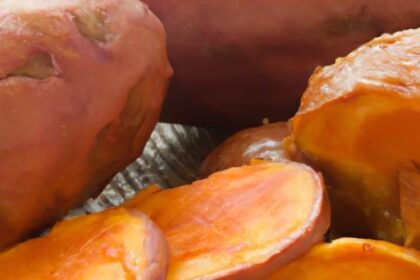
- 1 large sweet potato, peeled and diced
- 1 large white onion, finely chopped
- 2 cloves garlic, minced
- 2 tablespoons vegetable oil
- 1 cup butternut squash, peeled and cubed
- 1 teaspoon smoked paprika
- 1/2 teaspoon cumin powder
- 1 teaspoon dried oregano
- 2 teaspoons chili powder (adjust to preference)
- 6 cups vegetable broth (low sodium preferred)
- Salt and freshly ground black pepper, to taste
- 1/2 cup whole milk or plant-based milk (optional, for creaminess)
- Fresh cilantro or parsley for garnish
- 1 fresh red chili, thinly sliced (optional, for a luminous kick)
Step-by-Step Preparation Techniques to Achieve Richness and Depth
- Start by rinsing and soaking the hominy corn and beans overnight. This softens them and shortens the cooking time, allowing flavors to fully develop.
- Heat vegetable oil in a heavy-bottomed pot over medium heat. Add the chopped onion and sauté until translucent, about 5 minutes.
- Add minced garlic, smoked paprika, cumin, oregano, and chili powder. Stir continuously until fragrant, roughly 1 minute-this awakens the spices gently without burning.
- Add soaked hominy and beans to the pot, pour in the vegetable broth, and bring to a boil. Reduce heat and simmer gently for 1 hour, partially covered, stirring occasionally to prevent sticking.
- Stir in diced butternut squash, yellow potatoes, sweet potato, and season with salt and pepper. Continue simmering for another 1 hour or until all ingredients are tender and the stew has thickened.
- If desired, stir in whole milk or plant-based milk to add a creamy, velvety texture. Keep cooking on low for 10 minutes to blend flavors.
- Taste and adjust seasoning. The key to a perfect locro is balancing the smoky spices with earthy sweetness from the root vegetables and creaminess from the milk.
Serving Suggestions and Pairings to Elevate Your Locro Experience
This hearty locro recipe truly shines when presented with bright, fresh contrasts.Serve hot in deep ceramic bowls and garnish with chopped fresh cilantro or parsley and sliced fresh red chili for a pop of color and heat. A drizzle of good quality olive oil or a squeeze of lime elevates the stew’s richness beautifully.
Pair your locro with freshly baked crusty bread or homemade corn tortillas to soak up the luscious broth. For a refreshing complement, a crisp mixed green salad with citrus vinaigrette balances the stew’s hearty texture.
In South America, locro is ofen enjoyed during communal gatherings-embrace this by serving it family-style, inviting everyone to dig in with warmth and joy.
Chef’s Notes: Tips for Success
- Ingredient substitutions: If hominy is unavailable, use fresh corn kernels with extra beans, though the flavor will be milder.
- Make-ahead tip: Locro tastes even better the next day as flavors deepen-store refrigerated for up to 3 days or freeze portions.
- For extra depth: Lightly roast the butternut squash and potatoes before adding to the stew for a caramelized undertone.
- Vegetarian adaptation: this locro recipe is wholly vegetarian and vegan-pleasant by choosing plant-based milk.
- Cooking note: Stir gently during simmering to avoid breaking up the potatoes and squash too much; you want chunks and creaminess, not mush.
| Nutrient | Amount per Serving |
|---|---|
| Calories | 320 kcal |
| Protein | 13 g |
| Carbohydrates | 54 g |
| Fat | 5 g |

For more traditional South American dishes that complement locro beautifully, try our Argentinian Empanadas recipe. Interested in exploring the history and culture behind locro? Visit Encyclopaedia Britannica’s detailed explanation of locro for in-depth insights.
Q&A
Q&A: Hearty Locro Recipe – Your Guide to a traditional South American Stew
Q1: What is locro, and where does it come from?
A: Locro is a traditional South American stew that’s deeply rooted in the Andean cultures of countries like Argentina, Bolivia, Peru, and Ecuador. It’s a hearty, comforting dish made primarily with corn, beans, squash, and meat, celebrated for its rich flavors and thick, stew-like consistency. Locro reflects the agricultural heritage and communal spirit of the region, traditionally enjoyed during festivals and family gatherings.
Q2: What makes locro different from other stews?
A: locro distinguishes itself with its unique combination of native Andean ingredients-especially white corn or hominy, pumpkins or squashes, and legumes-slow-cooked to create a creamy texture. Unlike many Western stews, locro’s blend of earthy vegetables and spices builds a harmony that’s both rustic and soul-warming.It’s frequently enough seasoned with local herbs and brightened with spicy, pungent sauces served on the side, adding complexity without overpowering the natural flavors.
Q3: Can locro be made with vegetarian or vegan options?
A: Absolutely! While traditional locro includes meats like beef or chicken, it’s entirely adaptable. To make a vegetarian or vegan locro, focus on hearty vegetables like butternut squash, potatoes, corn, and various beans to provide body and depth. Use smoked paprika, cumin, garlic, and chili to layer flavors, and consider adding mushrooms or seitan for a meaty texture. The key is slow cooking that melds the ingredients into a creamy, satisfying stew.
Q4: What are the essential ingredients to make authentic locro?
A: At its core, locro relies on these staples: dried white corn or hominy, large beans (like lima or cannellini), starchy vegetables such as pumpkin or squash, potatoes, onions, garlic, and chili peppers. Meats like beef shank or chicken thighs are common in meat versions, but these can be omitted or replaced with alternatives for different dietary needs. The stew is frequently enough seasoned with paprika, cumin, and bay leaves, delivering a warm, inviting aroma.
Q5: How long does it usually take to cook locro?
A: locro is a dish that rewards patience.The traditional method involves slow cooking the ingredients-sometimes for several hours-to achieve a creamy and tender texture where the corn and beans nearly melt into the broth. If you soak your beans and corn overnight, you can reduce cooking time, but generally, expect about 2 to 3 hours on a gentle simmer for authentic results.
Q6: Are there any special tips to perfect the flavor and texture?
A: Yes! Start by soaking the dried beans and corn the night before to ensure even cooking. Use a heavy-bottomed pot to maintain a steady, gentle simmer and prevent sticking. Layer your ingredients-harder vegetables like corn and beans go in first, followed by squash and softer veggies later-to avoid overcooking. Don’t rush the seasoning; add salt gradually and adjust spice levels toward the end. serve with a drizzle of spicy chili sauce or a squeeze of fresh lime to brighten the hearty stew.
Q7: How is locro traditionally served and enjoyed?
A: Locro is frequently enough ladled into deep bowls and enjoyed piping hot, accompanied by crusty bread or corn tortillas. In many South American cultures, it’s a communal meal during celebrations like national holidays or harvest festivals. To elevate the experience, serve it alongside chimichurri or ají-a spicy herb sauce-that guests can add to taste. Its thick, rich consistency makes it perfect for winter evenings or anytime you crave a deeply satisfying meal.
Q8: Can locro be stored and reheated, or is it best fresh?
A: Locro actually tastes even better the next day! The flavors continue to meld and intensify overnight. Store leftovers in an airtight container in the refrigerator for up to 3 days.When reheating,add a splash of broth or water to loosen the stew if it has thickened too much. Gently warm it on the stove to preserve the creamy texture and prevent scorching.
Q9: What cultural significance does locro have beyond just being a meal?
A: Locro is much more than a stew-it’s a symbol of heritage, community, and the bounty of the land.In countries like Argentina, locro is traditionally eaten on May 25th to commemorate national independence, connecting people to their history and to each other. Making and sharing locro frequently enough involves collective effort-from preparing ingredients to cooking over open fires-reinforcing bonds and celebrating ancestral traditions.
Q10: If I want to experiment, what other ingredients or twists could I try in locro?
A: Feel free to play with regional flavors! Adding sweet potatoes or carrots can enhance sweetness, while incorporating smoked dried chilies can deepen complexity. Herbs like oregano or fresh cilantro can brighten the dish. For an exotic twist, try stirring in a touch of coconut milk for subtle creaminess. Just remember,at its heart,locro should always feel like a warm hug in a bowl-rich,hearty,and full of honest flavors.
Closing Remarks
As the simmering pot of locro reaches its rich, savory crescendo, you’re not just serving a meal-you’re sharing a piece of South America’s vibrant culinary heritage. This hearty stew,woven from humble roots and bursting with comforting flavors,invites you to slow down,savor each bite,and connect with a tradition passed down through generations. Whether gathered around a bustling family table or enjoying a quiet moment of warmth, locro stands as a tasty reminder that food is more than nourishment-it’s a story waiting to be told. So next time you crave something soul-satisfying and steeped in culture, look no further than this timeless stew to bring heart and hearth together in every spoonful.