




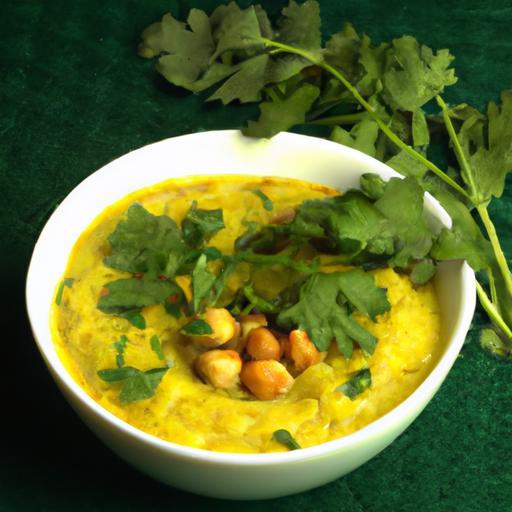
In the rich tapestry of culinary heritage, few dishes weave together history, culture, and flavour quite like Haleem. This humble yet hearty stew-slow-cooked to perfection with tender meat, lentils, and fragrant spices-has journeyed through centuries and continents, evolving with each passing era while retaining its soul.
“Haleem Unveiled: A Savory journey Through Time and Taste” invites you to explore the origins, transformations, and timeless appeal of this beloved dish. From royal kitchens to bustling street stalls, Haleem is more than just food-it is indeed a story simmered in tradition, a melody of taste that unites communities and tantalizes palates worldwide. Join us as we unravel the rich layers that make Haleem a culinary icon, savoring every moment of its flavorful voyage through history.
Haleem Unveiled is a culinary masterpiece steeped in centuries of history, weaving together flavors, cultures, and traditions into a single, soul-warming dish. Originating from the Middle East and embraced widely across the Indian subcontinent, Haleem captures the essence of communal feasting and meticulous craftsmanship. Every spoonful tells a story-from royal kitchens to humble street stalls-where slow simmering melds grains, lentils, and succulent meat into a velvety treasure that transcends time and palates alike.
Prep and Cook Time
Planning: 30 minutes | Cooking: 6 hours (slow simmering for authentic texture and depth)
Yield
Serves 6 generous portions
Difficulty Level
Medium – Requires patience and attention to layering flavors
ingredients
- 500g boneless mutton (or chicken for a lighter choice), cut into chunks
- 1 cup cracked wheat (dalia), rinsed thoroughly
- 1/2 cup yellow lentils (moong dal), soaked for 1 hour
- 1/4 cup chana dal, soaked for 1 hour
- 3 tablespoons ghee (clarified butter)
- 2 large onions, thinly sliced
- 2 teaspoons ginger-garlic paste
- 3-4 green chilies, slit
- 2 teaspoons cumin seeds
- 1 teaspoon coriander powder
- 1 teaspoon garam masala
- 1/2 teaspoon turmeric powder
- 1/2 teaspoon red chili powder
- Salt, to taste
- Fresh coriander leaves, chopped for garnish
- Julienned ginger, for garnish
- Fresh lemon wedges, to serve
- Water, as required for cooking
Instructions
- Sear the Meat: Heat 2 tablespoons of ghee in a heavy-bottomed pot over medium heat.Add cumin seeds; when they splutter, add sliced onions and sauté until golden brown, about 10 minutes.Stir in ginger-garlic paste and green chilies; cook until aromatic.
- Add Spices and Meat: Mix in turmeric, coriander, red chili powder, and salt.Add the mutton chunks and sauté until seared on all sides, locking in flavors about 8 minutes.
- Cook Lentils and Grains: Drain the soaked lentils and cracked wheat. Add them to the pot along with 6 cups of water. Stir to combine and bring the mixture to a gentle boil.
- Slow Simmer: Reduce heat to low and cover partially. Let it simmer for 4-5 hours, stirring occasionally to prevent sticking and ensure even cooking. Add water as needed to maintain a thick, porridge-like consistency.
- Blend to Perfection: Once tender, use a hand blender directly in the pot to create a smooth, creamy texture, preserving some chunkiness for bite. Alternatively, mash gently with a wooden spoon.
- Final Seasoning: Stir in garam masala and the remaining tablespoon of ghee. Simmer uncovered for another 15 minutes to deepen flavors.
- Garnish and Serve: Ladle the Haleem into bowls and adorn with fresh coriander, julienned ginger, fried onions (optional), and a squeeze of lemon juice for a luminous contrast.
Tips for Success
- Use a heavy-bottomed pot or a slow cooker to avoid burning and achieve that perfect slow-cooked depth.
- For richer aroma,fry a handful of sliced onions until crisp and golden; sprinkle on top before serving.
- Chicken or beef make excellent substitutes if mutton is unavailable, but adjust cooking times accordingly.
- Make-ahead bonus: Haleem tastes even better the next day-store refrigerated and reheat gently, adding water if thickened too much.
- Add a handful of crushed nuts or fried raisins to garnish for an added textural surprise.
- Do not rush the simmering process; authentic flavor comes from patience and consistent low heat.
Savoring Haleem: Pairing Suggestions and Modern Twists
To elevate your Haleem experience, accompany it with crisp naan or warm pita bread, perfect for soaking up every luscious bite. A side of cooling cucumber raita or a tangy salad with pomegranate seeds adds refreshing balance. For a modern twist, try garnishing with a drizzle of chili-infused oil or a sprinkle of fresh microgreens to brighten the hearty richness. Incorporating roasted pumpkin seeds or crushed roasted spices can introduce exciting new textures and aromas.
Health Benefits and Nutritional Insights
Beyond its sumptuous taste, Haleem is a nutritional powerhouse. Combining high-protein lentils and meat with fiber-rich cracked wheat, this dish provides sustained energy and supports digestive health. The slow cooking unlocks essential amino acids and creates easily digestible proteins, making it especially nourishing during colder months or as a restorative meal. Use of ghee, rich in fat-soluble vitamins, lends added health benefits, supporting immunity and vitality.
| Nutrient | Per Serving |
|---|---|
| Calories | 410 kcal |
| Protein | 28 g |
| Carbohydrates | 35 g |
| Fat | 14 g |
For an in-depth exploration of traditional spice blends used in South Asian cooking, check out our Ultimate Guide to Spices. To learn more about the health benefits of ghee and lentils, Healthline offers expert insights.

Q&A
Q&A: Haleem Unveiled - A Savory Journey Through Time and Taste
Q1: What is Haleem, and why has it captivated taste buds for centuries?
A: haleem is a rich, slow-cooked stew blending meat, lentils, wheat, and fragrant spices into a velvety, nourishing dish. Originating from the middle East and South Asia, it’s much more than just a meal – it’s a cultural tapestry woven through centuries, reflecting the artistry of patience and the harmony of bold flavors that captivate every palate.
Q2: How did Haleem evolve historically?
A: Haleem’s roots stretch back to the Arabian Peninsula, where a dish called “Harisa” enjoyed by soldiers for sustenance laid the foundation. As it journeyed along trade routes and mingled with local traditions, spices and grains native to the Indian subcontinent and Persia enriched it. The evolution of Haleem is a testament to the vibrant exchange of culinary ideas and the celebration of shared heritage.
Q3: What ingredients make Haleem so unique?
A: The magic of Haleem lies in its harmonious layers: tender meat (frequently enough lamb, beef, or chicken), a blend of lentils and wheat, aromatics like ginger and garlic, and warming spices such as cinnamon, cardamom, and cloves. Each ingredient melds through hours of slow cooking, creating a luscious texture that’s both hearty and comforting-a dish that feels like a warm embrace.
Q4: Why is slow cooking essential in making authentic Haleem?
A: Slow cooking transforms Haleem from a simple stew into a luxurious experience. Burning the midnight oil over gentle heat allows the grains to burst open, the lentils to dissolve softly, and the meat to melt into the mixture. This patience is key-it unlocks deep flavor harmonies and the signature creamy consistency that defines true Haleem.
Q5: Are there regional variations of Haleem?
A: Absolutely! From the spicy and tangy versions of Hyderabad to the aromatic Persian variants, each region imparts its signature touches.Ingredients and spice blends adapt to local tastes and seasonal availability, but the core spirit remains: a unifying bowl of slow-cooked goodness meant to nourish both body and soul.
Q6: What role does Haleem play during festivals or special occasions?
A: Haleem is often the heartbeat of communal festivities, especially during Ramadan, where it nourishes fasting bodies and fosters togetherness. It’s served in generous portions, frequently enough garnished with fried onions, fresh herbs, lemon wedges, and sometimes a touch of richness like ghee or cream, inviting everyone to share in its warmth and joy.
Q7: Can Haleem be adapted for different dietary preferences?
A: Certainly! While traditional Haleem features meat, creative adaptations incorporate plant-based proteins like jackfruit or mushrooms to evoke the same comforting texture and depth. With thoughtful spicing and slow cooking, these variations maintain the essence of Haleem’s soul-stirring flavor.
Q8: What tips can home cooks use to master Haleem?
A: Start with quality ingredients and embrace patience-slow and steady wins the race here. Toast your spices gently before grinding to maximize aroma. Use a heavy-bottomed pot for even heat distribution and stir occasionally to prevent sticking. And remember, the garnish is your finishing flourish-crispy fried onions and fresh herbs elevate the dish to sublime heights.
Q9: How does Haleem connect people beyond just the taste?
A: Haleem is a story told through flavor, connecting generations and cultures. Sharing a bowl is an act of hospitality and celebration, a appetizing reminder that food is more than sustenance-it’s community, history, and love simmered together, one unforgettable spoonful at a time.
In Summary
As the final spoonful of haleem lingers on the palate, so too does the rich tapestry of history, culture, and craft that this humble dish embodies. From ancient kitchens to bustling bazaars, haleem stands as a savory testament to culinary evolution-a harmonious blend of spices, tradition, and patience that transcends time. Whether enjoyed in a festive gathering or a quiet meal, haleem invites us to savor not only its flavors but also the stories woven into every simmering pot. In unveiling haleem, we uncover more than just a dish; we taste a legacy that continues to warm hearts and bring people together across the world.