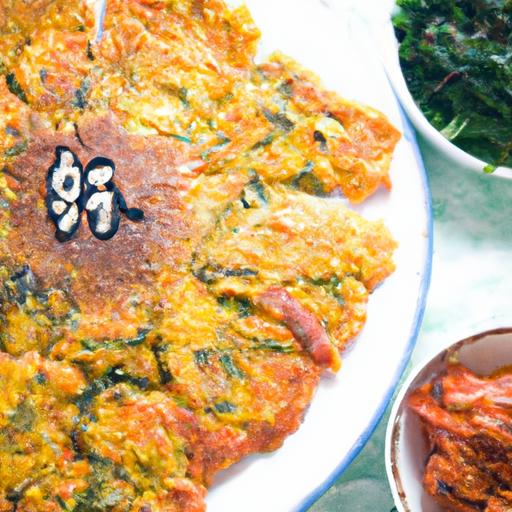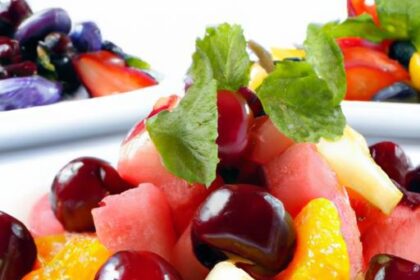
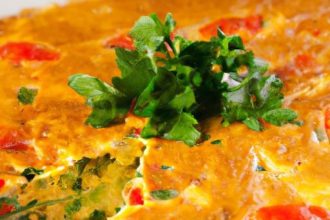
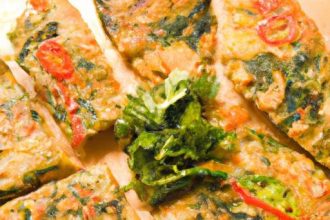

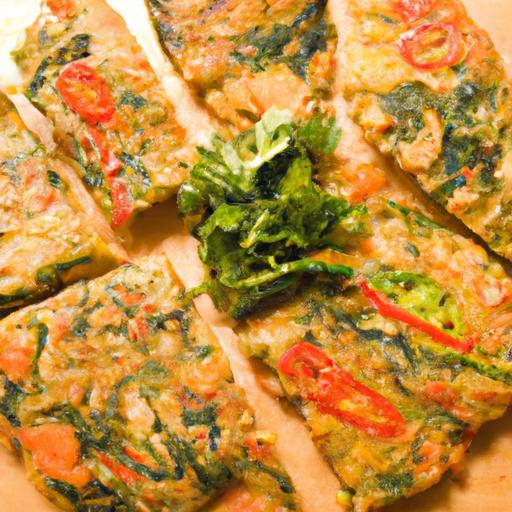
Emerging from the bustling streets and cozy homes of Korea, Haemul Pajeon stands as a vibrant testament to the country’s rich culinary heritage. This savory seafood pancake,dotted with fresh green onions and an assortment of ocean treasures,captures the essence of Korean flavors in every crispy,golden bite. More than just a dish, haemul Pajeon is a beloved comfort food often enjoyed during rainy days or shared among friends over soju. In this article, we’ll dive into the history, ingredients, and cultural significance of this flavorful seafood delight that continues to captivate palates both at home and around the world.
Discovering the Rich History Behind Haemul Pajeon
Haemul Pajeon invites you into a tasty journey through Korea’s coastal culinary traditions. This savory seafood pancake, studded with tender scallions and fresh ocean treasures, has been a cherished comfort food for centuries.Believed to have origins in Jeolla Province, where fertile seas meet fertile lands, haemul pajeon embodies a perfect balance of flavors, textures, and cultural heritage. Historically enjoyed during festive celebrations, rainy days, or as a communal dish with makgeolli, it remains a symbol of Korean warmth and conviviality.
Prep and Cook Time
- Readiness: 15 minutes
- Cooking: 15 minutes
- total: 30 minutes
Yield
Serves 4 (perfect for sharing at a seafood feast)
Difficulty Level
Medium – mastering the ideal crispy texture takes a bit of practice, but the payoff is worth every bite.
Selecting Fresh Ingredients for Authentic Homemade Haemul Pajeon
Choosing the right ingredients is essential in capturing the essence of haemul pajeon. Look for the freshest seafood mix-ideally including squid,shrimp,and mussels-to ensure that each bite bursts with ocean freshness. Radiant green scallions are the backbone of the dish, contributing both flavor and vibrant color. Use Korean rice flour or a high-quality all-purpose flour for a crispy yet tender batter. A touch of potato starch enhances the final crunch without overwhelming the delicate seafood.
ingredients
- 1 cup all-purpose flour, sifted
- ½ cup rice flour (preferably Korean rice flour)
- 2 tbsp potato starch
- 1 tsp sea salt
- 1 ¼ cups cold water
- 1 large egg, beaten
- 1 cup mixed seafood (cleaned and chopped: shrimp, squid, mussels)
- 1 bunch scallions, cut into 2-inch lengths
- 3 tbsp vegetable oil (for frying)
- Optional: ½ small red chili, thinly sliced (for garnish)
Mastering the Art of Perfectly Crispy Seafood and Scallion pancakes
- prepare the batter: In a large bowl, whisk together sifted all-purpose flour, rice flour, potato starch, and sea salt. Gradually stir in cold water until smooth. Fold in the beaten egg. The batter should be slightly runny but thick enough to coat the seafood and scallions evenly.
- Add seafood and scallions: Gently incorporate the chopped mixed seafood and scallions into the batter, ensuring every piece is evenly coated.
- Heat the pan: Heat 2 tablespoons of vegetable oil in a non-stick skillet over medium-high heat. Ensure the pan is hot before pouring the batter-this is key to achieving a crispy exterior.
- Cook the pancake: Pour half of the batter into the skillet, spreading it evenly to form a thin circle about 8 inches in diameter. Fry for approximately 4-5 minutes, or until the bottom is golden and crispy.
- Flip carefully: Use a wide spatula to flip the pancake gently. Add remaining 1 tablespoon of oil around the edges, and cook the other side for an additional 3-4 minutes until golden and cooked through. Cooking times may vary slightly depending on stove type.
- Repeat: Transfer cooked haemul pajeon to a paper towel-lined plate to drain excess oil. Repeat the process with the remaining batter.
- Serve hot: Slice into wedges and serve immediately with a dipping sauce (see Serving Suggestions).
Expert Tips and Serving Suggestions to Elevate Your Korean Seafood Feast
To enhance the authentic experience, serve haemul pajeon with a classic dipping sauce made of soy sauce, rice vinegar, sesame oil, minced garlic, and a pinch of sugar. Garnish the pancake with thinly sliced red chili or sesame seeds for vibrant contrast and subtle heat.
For an elevated seafood feast, pair this pancake alongside kimchi, steamed rice, and a chilled glass of makgeolli (conventional Korean rice wine). To preserve the crispy texture, avoid stacking pancakes; rather, serve individually on warm plates.
Tips for Success
- Cold water matters: Using cold water in the batter keeps the texture light and delicate.
- Seafood prep: Pat seafood dry before mixing to prevent sogginess.
- Oil temperature: Medium-high heat is crucial. Too low = soggy; too high = burnt edges.
- Make-ahead: Mix batter and prep seafood a few hours ahead, then refrigerate covered.Fry just before serving for best texture.
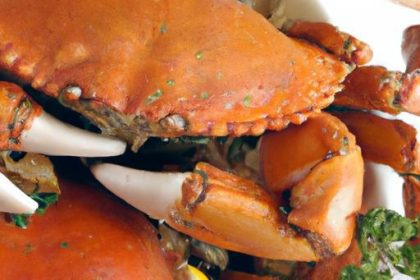
- Variations: Substitute or add clams, scallops, or crab for a personal touch while keeping the dish pork-free.
Nutritional Data
| Nutrient | Per Serving |
|---|---|
| Calories | 280 kcal |
| Protein | 18 g |
| Carbohydrates | 32 g |
| fat | 9 g |
For those eager to explore more Korean seafood delicacies and pancake variations, check out our comprehensive guide to Korean seafood dishes. To deepen your understanding of the cultural significance of Korean pancakes, the National Museum of Korea offers fascinating resources and exhibitions.

Q&A
Q&A: Haemul Pajeon – korea’s Flavorful Seafood Pancake Delight
Q1: What is haemul Pajeon?
A1: Haemul Pajeon is a beloved Korean savory pancake that beautifully combines fresh seafood (“haemul”) with fragrant green onions (“pa”) in a crispy, golden batter. It’s a comforting dish that bursts with umami flavors, often enjoyed as a snack, appetizer, or even a main course.
Q2: What kinds of seafood are typically used in Haemul Pajeon?
A2: Traditional Haemul Pajeon features an inviting mix of seafood such as squid, shrimp, clams, mussels, and sometimes scallops. These ingredients bring a fresh ocean taste and delightful texture to the pancake.
Q3: How is Haemul Pajeon made?
A3: The process starts with mixing a simple batter made of wheat flour, rice flour, water, and eggs. Fresh seafood and sliced green onions are folded into the batter,which is then pan-fried in oil until crispy and golden brown on both sides. the result is a pancake with a crunchy exterior and a tender,flavorful interior.
Q4: What makes haemul Pajeon different from other Korean pancakes?
A4: What sets Haemul Pajeon apart is its seafood richness, contrasted with the vibrant green onions that lend a fresh, slightly sharp note. Unlike vegetable-only pancakes, it offers a seaside twist that’s simultaneously hearty and light.Q5: How is Haemul Pajeon traditionally served?
A5: This delicious pancake is typically sliced into bite-sized pieces and served with a dipping sauce made from soy sauce, vinegar, sesame oil, and sometimes a pinch of chili flakes or garlic. It’s often enjoyed alongside a warm bowl of rice or as a companion to other Korean dishes.
Q6: Are there any special occasions or customs associated with Haemul Pajeon?
A6: Haemul Pajeon is particularly popular on rainy days in Korea, with locals believing the sound of sizzling pancakes mimics falling raindrops. It’s a cozy,communal food perfect for sharing with friends or family during casual gatherings,adding a flavorful warmth to any rainy afternoon or evening.
Q7: Can Haemul Pajeon be made gluten-free?
A7: Absolutely! By substituting regular wheat flour with gluten-free rice flour or a gluten-free flour blend, you can enjoy this seafood pancake without gluten. Just adjust the batter consistency accordingly to keep it crispy yet tender.
Q8: What beverages complement Haemul Pajeon well?
A8: Haemul Pajeon pairs wonderfully with light, refreshing drinks. Iced barley tea or a crisp sparkling water with lemon are popular choices that balance the savory richness of the pancake without overwhelming the palate.
Q9: Can haemul Pajeon be customized?
A9: Definately! Though seafood and green onions form the classic combo, you can experiment by adding ingredients like zucchini slices, chili peppers for heat, or mushrooms for an earthy touch. Just keep the balance between seafood and veggies to honor the dish’s character.
Q10: Where can I try authentic Haemul Pajeon?
A10: The best Haemul Pajeon can be found at traditional korean restaurants, especially those specializing in “jeon” (pancakes) or “pojangmacha” (street food tents). Coastal cities and seafood markets also offer fresh, vibrant takes on this dish for an authentic taste adventure.
In Retrospect
Whether enjoyed sizzling hot from the pan or shared over lively conversations and soju, Haemul Pajeon embodies more than just a dish-it’s a vibrant slice of Korean culture and culinary artistry. This flavorful seafood pancake delight invites food lovers to savor the delicate harmony of fresh ocean ingredients and the earthy aroma of green onions, all wrapped in a crispy, golden embrace. Next time you crave a taste of Korea’s coastal charm, let haemul Pajeon be your guide to a deliciously authentic experience that’s as rich in history as it is in flavor.