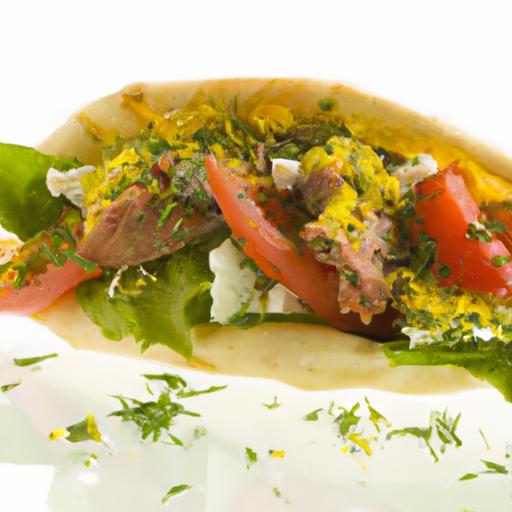

In the bustling world of global cuisine, few dishes captivate the senses quite like the gyro-a harmonious whirl of flavors wrapped in warm pita, crowned with vibrant tzatziki, and layered with tender, spiced meat. But beyond its mouthwatering appeal lies a captivating story of science and tradition, where ancient cooking techniques meet the physics of spinning meat. “Gyro Unveiled: Spinning Science and Savory Delight Explained” takes you on a flavorful journey behind the scenes, exploring how this beloved Greek specialty is crafted with both culinary artistry and ingenious engineering. Prepare to discover the secrets that make the gyro a timeless masterpiece of both taste and technique.
The Origins and Evolution of the Gyro: From Ancient Technique to Modern favorite
Gyro Unveiled: Spinning Science and Savory Delight Explained begins with a fascinating journey into the culinary heritage of one of the Mediterranean’s most beloved street foods.The gyro’s roots trace back to ancient cooking practices, where slow-roasting meat on vertical spits was a revolutionary method born out of necessity and ingenuity. Originally influenced by the Ottoman döner kebab and Middle Eastern shawarma, the gyro evolved in 20th-century Greece into the succulent, perfectly seasoned meat slices we crave today.
The magic of the gyro lies not only in its spices but in how its preparation honors tradition through rotation-the slow, consistent spin allowing even cooking and maintaining juicy tenderness, a technique perfected through centuries. This rotation ensures the meat’s exterior crisps beautifully while the interior remains tender, culminating in a burst of flavor with every bite.
The Science Behind the Perfect Spin: How Rotation Enhances Flavor and Texture
The secret to transforming simple ingredients into savory delight lies in the dynamic rotation of the gyro spit. This continuous movement creates a uniform caramelization of the meat’s surface, boosting Maillard reactions that deepen flavor complexity and create satisfying textures. The gyro’s rotation allows rendered fats to baste the meat, preserving moisture and preventing drying out-an artful balance between crisp edges and a juicy core.
As the meat slowly turns close to the heat source, hot air circulates evenly, ensuring consistent cooking temperatures. This prevents overcooking certain sections, allowing you to slice tender, perfectly cooked shavings throughout, essential to authentic gyro experience.
Mastering the Gyro at Home: Essential Tips for Authentic Taste and Presentation
Ready to bring the flavors of your favorite Mediterranean street vendor to your kitchen counter? This recipe demystifies the process-no commercial spit required. The focus is on layering spices, marinating overnight, and leveraging your oven’s broiler or a vertical skewer method to mimic gyro’s iconic slow-roasting. Fresh herbs, quality lamb or chicken, and attention to texture sets your homemade gyro apart.
Prep and Cook Time
- Preparation: 20 minutes
- Marination: Minimum 6 hours, ideally overnight
- Cooking: 45 minutes
- Total: Approximately 7 hours (mostly hands-off)
Yield
Serves 4 generously
Difficulty Level
Medium - Accessible for home cooks eager to elevate thier preparation skills.
Ingredients
- 1.5 lbs boneless lamb shoulder, thinly sliced or ground
- 1 tbsp extra virgin olive oil
- 4 cloves garlic, minced
- 1 tbsp dried oregano
- 1 tsp ground cumin
- 1 tsp smoked paprika
- ½ tsp ground coriander
- ½ tsp freshly cracked black pepper
- 1 tsp kosher salt
- Juice of 1 lemon
- ½ cup plain Greek yogurt (for marinade and tzatziki)
- 4 pita breads, warmed
- Fresh sliced tomatoes, red onions, and cucumber (for garnish)
- Fresh parsley, chopped (for garnish)
- Tzatziki sauce (see pairing suggestions)
Instructions
- prepare the marinade: In a large bowl, whisk together olive oil, lemon juice, garlic, oregano, cumin, smoked paprika, coriander, salt, pepper, and Greek yogurt untill well combined.
- Marinate the lamb: Add the lamb slices or ground meat to the marinade, coating evenly. Cover and refrigerate for at least 6 hours or overnight for maximum flavor infusion.
- Preheat your oven broiler: Position an oven rack 6 inches from the heat source and preheat to high broil.
- Assemble the gyro stack: If using sliced lamb, thread onto a vertical skewer or arrange meat slices in a tight pile on a wire rack over a baking tray. Layer meat tightly to mimic the vertical spit.
- Broil the gyro: Broil the meat stack, turning every 5 minutes to ensure even browning and crisping on all sides, approximately 30-40 minutes until edges are golden and meat is cooked through.For sliced meat, sauté in a hot cast iron skillet for 5-7 minutes until edges caramelize if no skewer is available.
- Rest and slice: Allow meat to rest briefly to redistribute juices. Thinly slice or shred the meat off the skewer in thin strips.
- Warm the pita: Wrap pita breads in foil and warm in a 350°F (175°C) oven for 5-7 minutes or heat briefly on a dry skillet until pliable.
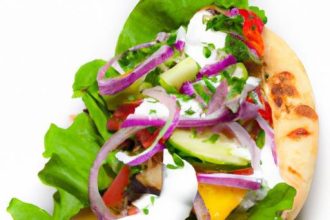
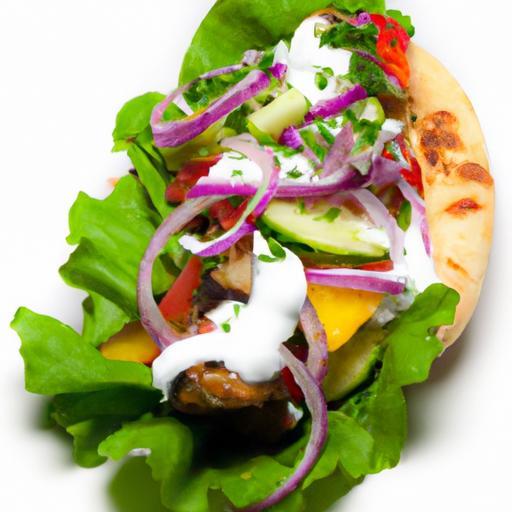
- Assemble the gyro: Place a generous portion of meat on each pita, topped with sliced tomato, onion, cucumber, fresh parsley, and a dollop of tzatziki sauce for the ultimate authentic finish.
Tips for Success
- Meat choice: Lamb shoulder gives authentic flavor with ideal fat content for juiciness, but ground chicken or beef also work well if preferred.
- Marination matters: Extended marination allows spices and acid to tenderize the meat deeply, unlocking irresistible aroma and texture.
- Broiling choice: If no broiler is available,a rotisserie attachment or slow grill indirect heat achieves similar results.
- Rest meat adequately: Resting ensures juices redistribute, making slices tender and moist rather than dry.
- Flavor layer: For extra depth, add a pinch of cinnamon or nutmeg to the spice blend, a traditional touch ofen lost outside Greece.
Serving Suggestions
Present your gyro wrapped snugly in parchment or lightly grilled pita for a warm, slightly crispy exterior. Serve with a vibrant side of tzatziki drizzled over or on the side for dipping.Complement with crunchy pickled vegetables or a fresh Greek salad layered with olives and feta cheese to evoke that Mediterranean charm.
Garnish with freshly chopped parsley and a wedge of lemon for a radiant finish. add a sprinkle of sumac or za’atar spice on top for a gourmet twist. A vibrant side of oven-roasted lemon potatoes or crispy falafel makes for an enticing pairing that elevates the overall gyro experience beyond the sandwich itself.
| Nutrient | Per Serving |
|---|---|
| Calories | 480 kcal |
| Protein | 38 g |
| Carbohydrates | 32 g |
| Fat | 22 g |

curious to explore more Mediterranean delights? Check out our classic Greek tzatziki Sauce guide for a perfect match. For further history on Mediterranean grilling methods, visit the Encyclopaedia Britannica on Gyros.
Q&A
Q&A: Gyro Unveiled: Spinning Science and Savory Delight Explained
Q1: What exactly is a gyro, and where dose it originate from?
A1: A gyro is a delicious Greek sandwich featuring thinly sliced, seasoned meat cooked on a vertical rotisserie. Its name comes from the Greek word “gyros,” meaning “circle” or “turn,” perfectly describing the rotating cooking process that ensures even,juicy slices.Though rooted in Greece,the gyro has become beloved worldwide,celebrated for its vibrant flavors and satisfying texture.
Q2: How does the vertical rotisserie affect the flavor and texture of the meat?
A2: The vertical rotisserie is a game-changer-it slowly turns the meat around a heat source, allowing it to baste in its own juices and develop a crispy, caramelized outer layer while remaining tender inside. This spinning technique ensures consistent cooking and locks in savory moisture, delivering that signature combination of crunch and tenderness that makes a gyro irresistible.
Q3: What types of meats are commonly used in gyros, and what makes them special?
A3: Traditionally, gyros feature lamb or chicken, both chosen for their robust flavors and tender results when cooked on a rotisserie. Lamb offers a rich, slightly gamey taste that complements bold seasonings, while marinated chicken brings a lighter, zesty profile. These meats absorb the aromatic blend of herbs and spices during preparation, creating layers of mouthwatering complexity.
Q4: Can you explain the signature seasoning or marinade that gives gyro meat its distinct taste?
A4: Gyro seasoning is a harmonious mix of Mediterranean herbs and spices-think oregano, garlic, rosemary, thyme, and a touch of cumin. This combination is often blended with olive oil, lemon juice, and sometimes vinegar, creating a marinade that tenderizes the meat and infuses it with a savory, slightly tangy flavor that sings with every bite.
Q5: Beyond the meat, what traditional accompaniments complete the gyro experience?
A5: No gyro is complete without its classic trimmings-soft, pillowy pita bread wraps the savory meat, while fresh slices of tomato and crisp onions add brightness and crunch. A dollop of creamy tzatziki, made from Greek yogurt, cucumber, garlic, and dill, balances the richness with cool tanginess, creating a perfect flavor equilibrium.
Q6: Is there a scientific reason why rotating the meat leads to better cooking?
A6: Definitely! the rotation ensures an even distribution of heat, preventing overcooking on one side and undercooking on another. This continuous turning allows fat to render evenly, which both bastes the meat and crisps the exterior, leading to tender, flavorful slices. It’s a delicious exhibition of physics and chemistry working in harmony to enhance taste.
Q7: Are there vegetarian or vegan gyro options that capture the essence of the classic?
A7: Absolutely! Many places now offer plant-based gyro alternatives using seasoned seitan, mushrooms, or jackfruit, which mimic the texture and ability to absorb spices.When paired with traditional accompaniments like pita and tzatziki (substituted with vegan yogurt), these options deliver a satisfying gyro experience that celebrates flavor without meat.Q8: What makes the pita bread crucial to the gyro’s appeal?
A8: Pita isn’t just a vessel-it’s a soft, chewy companion that absorbs meat juices and tzatziki, marrying flavors with every fold. Its slight tanginess and gentle elasticity provide the perfect contrast to tender meat and crisp veggies, ensuring each bite is a harmonious blend of textures and tastes.
Q9: How has the gyro evolved in modern cuisine?
A9: The gyro has gracefully adapted to global palates-while keeping its traditional soul, chefs experiment with different proteins, spice blends, and toppings. Some versions incorporate exotic spices or draw from fusion cuisines,turning this humble Greek favorite into a versatile canvas that continues to spin fresh culinary stories.
Q10: Why do people find the gyro so universally satisfying?
A10: It’s the perfect balance of savory, tangy, and fresh flavors, combined with a variety of textures from crispy meat to soft bread. The ritual of assembling and savoring a gyro is both comforting and exciting. Plus, the science behind its preparation guarantees each bite is juicy, flavorful, and endlessly crave-worthy-a timeless delight that spins together culture, science, and taste.
Insights and Conclusions
As the savory aromas of the gyro continue to captivate taste buds worldwide, the science behind its perfect spin reveals a fascinating blend of tradition and technology. From the meticulous layering of seasoned meats to the rotational dance that ensures even cooking, the gyro stands as a delicious testament to culinary ingenuity. Whether you savor it wrapped in warm pita or explore its rich history, the gyro invites us to appreciate how art and science intertwine in every flavorful bite. So next time you watch that vertical spit spin, remember-there’s a world of science shaping your savory delight.