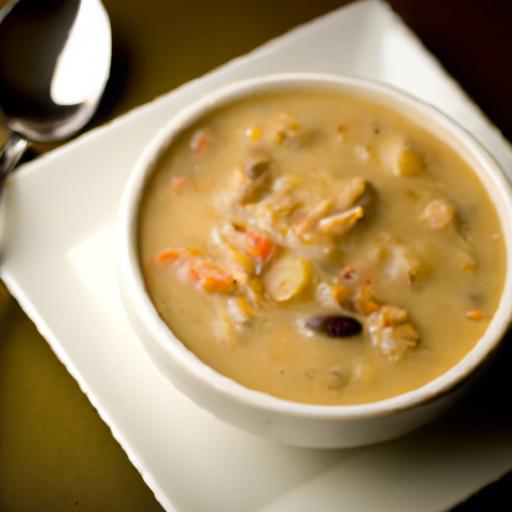



In the vibrant tapestry of West African cuisine, few dishes capture the soul and tradition of the region quite like groundnut soup. This luscious, creamy stew-brimming with roasted peanuts, tender meats, and a symphony of aromatic spices-invites diners on a rich journey through history, culture, and flavor. More than just a meal, groundnut soup is a festivity of community and heritage, simmering with stories passed down through generations. Join us as we explore the origins, ingredients, and cultural significance behind this beloved dish, uncovering the deep-rooted connections that make every spoonful a taste of West Africa’s heart and soul.
Groundnut Soup is a culinary treasure that carries the warmth and richness of West African heritage in every spoonful. Originating from regions spanning Ghana, Nigeria, and Senegal, this luscious peanut-based stew reflects centuries of tradition, storytelling, and local harvests. Its fragrant layers of roasted groundnuts, rich spices, and vibrant vegetables offer a appetizing glimpse into the diverse tapestry of West African kitchens. Whether enjoyed during celebratory feasts or humble family dinners,it exudes comfort in its most authentic and soul-soothing form.
Prep and Cook Time
- Preparation: 20 minutes
- Cooking: 1 hour
- Total: 1 hour 20 minutes
Yield
Serves 6 hearty portions
Difficulty Level
Medium – perfect for adventurous home cooks ready to savor authentic West African flavors
Key Ingredients That Define Authentic Groundnut Soup
- 2 cups roasted groundnuts (peanuts), finely ground – the heart and soul of the soup
- 1 large onion, finely chopped
- 3 cloves garlic, minced
- 1-inch fresh ginger, grated
- 3 medium tomatoes, pureed
- 1-2 Scotch bonnet peppers (adjust to taste for spiciness)
- 1/4 cup palm oil or vegetable oil – for rich depth and subtle smokiness
- 4 cups chicken or vegetable broth (preferably homemade or low sodium)
- 2 medium sweet potatoes, peeled and cubed – a traditional tender complement
- 2 cups cooked chicken pieces or smoked fish – protein options reflect regional nuances
- salt and freshly ground black pepper to taste
- Optional: chopped fresh spinach or kale for a vibrant finish
step-by-Step Guide to Crafting Perfectly Balanced Groundnut Soup
- Prepare the peanut base: If you haven’t pre-ground your roasted peanuts, pulse them in a food processor until you get a coarse, buttery paste. Set aside.
- Sauté aromatics: Heat palm oil in a large heavy-bottomed pot on medium heat. add the chopped onion, garlic, and grated ginger. Sauté until fragrant and the onions become translucent – roughly 5 minutes.
- Add the heat: Incorporate pureed tomatoes and Scotch bonnet peppers. Cook and stir frequently for 7-10 minutes until the mixture thickens and the raw tomato scent dissipates.
- Combine groundnuts and broth: Gradually stir in the ground peanut paste along with the broth. Use medium-low heat to avoid burning or clumping. Stir consistently until the soup is smooth and well combined.
- Incorporate root veggies: Add the cubed sweet potatoes to the pot.Simmer gently for about 25 minutes, or until the sweet potatoes soften and begin to melt into the soup.
- Add your protein: Fold in cooked chicken or smoked fish, allowing the flavors to meld for an additional 10 minutes over low heat.
- Adjust and finish: Season with salt and pepper to your preference. For a bit of green vibrancy and nutritional boost, fold in chopped spinach or kale just before serving.
- Rest and serve: Let your groundnut soup rest off the heat for 5 minutes to enhance flavor fusion.
Tips for Success and Flavor Enhancements
- Roasting peanuts: If using raw peanuts, roast them in a dry skillet or oven until golden brown, which enhances their nutty aroma and richness in the soup.
- Pepper control: Adjust the Scotch bonnet quantity based on your tolerance. Remove seeds for milder heat or use milder chili substitutes if necessary.
- Choosing oils: Palm oil lends authentic taste and color, but you can substitute with high-quality vegetable oil for a lighter profile.
- make-ahead magic: Groundnut soup tastes even better the next day as flavors deepen – store it covered in the fridge up to 3 days or freeze in portions for up to a month.
- Thickening tips: To thicken, mash some of the cooked sweet potatoes against the pot sides or allow the soup to reduce on low heat.
- Vegetarian/vegan twist: Skip animal proteins and add hearty mushrooms or lentils for a satisfying plant-based option.
Serving Suggestions to Elevate your Groundnut Soup Experience
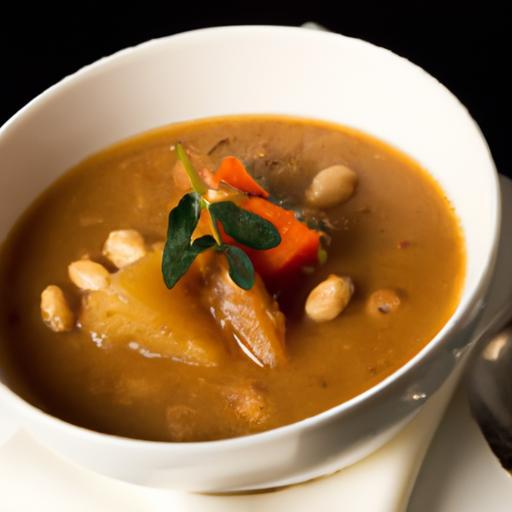
Traditionally served with starchy sides such as fufu, pounded yam, or rice balls, the rich and creamy texture of groundnut soup pairs beautifully with these neutral bases that soak up the sauce. For an inviting presentation, ladle the soup into wide shallow bowls and garnish with freshly chopped cilantro or parsley, slivers of red chili, and a drizzle of warm palm oil for an eye-catching, glossy finish.
This dish is perfect for sharing around a communal table, served alongside pickled vegetables or a fresh tomato and cucumber salad to bring crisp brightness to balance the robust flavors.

| Nutritional Info (per serving) | Calories | protein | Carbohydrates | Fat |
|---|---|---|---|---|
| Groundnut Soup | 420 kcal | 28 g | 32 g | 20 g |
For those intrigued by the wider universe of West African flavors, explore our related article on Egusi Soup: Traditional West African Delicacy to continue your culinary journey. Also, deepen your understanding of peanut nutrition and cultivation through the insightful resource provided by the Peanut Institute.
Q&A
Q: What is groundnut soup, and why is it so beloved in West African cuisine?
A: Groundnut soup, also known as peanut soup, is a hearty and aromatic stew that showcases the rich, earthy flavors of roasted peanuts combined with a symphony of spices and fresh ingredients.It’s beloved across West Africa because it perfectly balances creamy nuttiness with savory depth, often evoking memories of family gatherings and traditional celebrations. This soup is more than nourishment-it’s a cultural emblem of warmth and community.
Q: How do the key ingredients in groundnut soup reflect the agricultural heritage of West Africa?
A: The centerpiece of groundnut soup, the peanut, is a crop deeply embedded in West African agriculture. Peanuts thrive in the region’s climate and have been a dietary staple for centuries. Alongside tomatoes, onions, and chili peppers-grown abundantly in West African soils-the soup becomes a vibrant expression of the land’s bounty, connecting each bowl to the earth and its harvest.
Q: What makes the texture and flavor of groundnut soup distinctive compared to other soups?
A: Groundnut soup’s texture is uniquely creamy yet robust, thanks to the ground peanuts that act like a natural thickener. This creates a velvety base that clings deliciously to meat or vegetables.Flavor-wise, the natural sweetness and nuttiness of the peanuts mingle with aromatic spices-such as ginger, garlic, and chili-producing a layered taste experience that is both comforting and exciting.
Q: Can groundnut soup be adapted for different dietary preferences?
A: Absolutely! Groundnut soup is incredibly versatile.While it traditionally includes chicken, goat, or fish, it can easily be adapted for vegetarian or vegan diets by using hearty vegetables like sweet potatoes, eggplant, or okra. The rich nut base ensures a satisfying and nourishing soup regardless of protein choice, making it inclusive and accessible to many palates.
Q: What are common ways to serve groundnut soup in West African culture?
A: Groundnut soup is often served alongside staple starches such as fufu (a pounded dough made from cassava, yams, or plantains), rice balls, or millet porridge. These pairings help soak up the flavorful broth and create a balanced meal. Sharing from a communal bowl is common, emphasizing the social and familial bonds woven into every mealtime.
Q: How has groundnut soup influenced contemporary culinary scenes outside West Africa?
A: Groundnut soup’s rise on the global stage underscores the growing appreciation for west African flavors and ingredients. Chefs internationally are incorporating its rich, nutty profile into fusion dishes-from creamy stews to innovative sauces-bringing a taste of West African heritage to new audiences. its adaptability ensures that the journey of this humble soup continues to evolve and inspire.
Q: What cultural stories or traditions are associated with groundnut soup?
A: In many West African communities, groundnut soup is more than food; it is a symbol of hospitality and celebration. It’s often prepared during festivals, weddings, and family reunions, embodying generosity and togetherness.Recipes are lovingly passed down through generations, with each family adding its own twist, making every pot a tapestry of history, memory, and love.
To Wrap It Up
As the final spoonful of groundnut soup lingers on the palate, one can’t help but appreciate the intricate tapestry of flavors woven from humble ingredients-peanuts, spices, and love-passed down through generations. This rich, velvety stew is more than just a meal; it is indeed a vibrant narrative of West African heritage, community, and resilience. Whether savored in a bustling market in Accra or prepared lovingly at home, groundnut soup invites us to experience the warmth and depth of a culture where every bite tells a story. Embarking on this culinary journey reveals not only the soul of West African cooking but also the global language of comfort found in shared tradition.