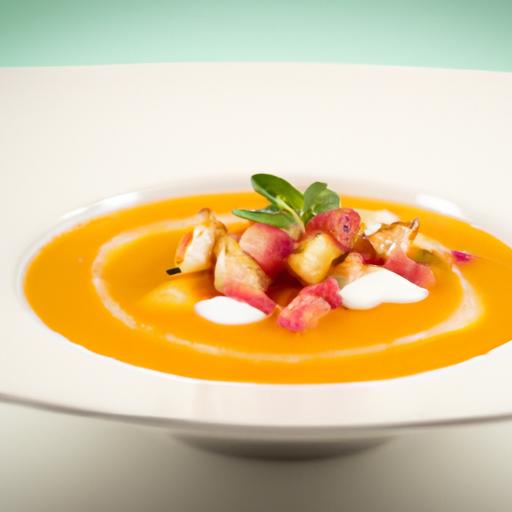



Beneath the fiery sun of southern Spain,where summer days stretch long and the air shimmers wiht heat,a humble bowl of gazpacho offers a refreshing escape. This vibrant, chilled soup is more then just a seasonal delight-it’s a centuries-old tapestry of history, culture, and culinary ingenuity, woven from the freshest tomatoes, cucumbers, peppers, and a splash of olive oil. In “Gazpacho Uncovered: The Chilled Spanish Classic Explained,” we dive deep into the origins, variations, and secrets behind this invigorating dish, revealing why gazpacho remains an enduring symbol of Spanish heritage and a global ambassador of cool, flavorful simplicity. Join us as we unravel the story behind every spoonful of this sun-soaked classic.
Origins and Cultural Roots of Gazpacho in Andalusian Tradition
Gazpacho Uncovered: The Chilled Spanish Classic Explained starts with a journey into the sun-drenched fields and bustling markets of andalusia,the birthplace of this invigorating cold soup. Rooted in the rustic traditions of southern Spain, gazpacho has long been a refreshing staple during the region’s scorching summers. Originally crafted by shepherds and farmers using simple, readily available ingredients-fresh vegetables, olive oil, and stale bread-gazpacho evolved into a beloved culinary icon symbolizing the heart of Andalusian culture.
The dish represents a harmony of Mediterranean flavors,showcasing the vibrant tastes of ripe tomatoes,crisp cucumbers,and aromatic garlic,all blended into a silky,chilled elixir that cools and energizes. andalusian families have cherished their distinct regional variations for generations,each adding personal touches to this classic.Understanding the cultural roots of gazpacho reveals its meaning not just as food, but as a celebrated tradition and social connector, shared across tables from humble homes to festive markets.
Key Ingredients That define Authentic Gazpacho Flavors
At its core, authentic gazpacho is an ode to the freshest, highest-quality ingredients, whose flavors meld perfectly when combined. The essence lies in the ripeness of vine-ripened tomatoes,which provide a sweet juiciness and vibrant color. Paired alongside cucumber and bell pepper for crisp texture, and balanced with the pungent warmth of garlic and a delicate splash of sherry vinegar, these ingredients create that unmistakable tangy brightness.
Extra virgin olive oil lends a velvety richness,while a dash of good quality sea salt enhances every element.Additionally, authentic recipes often include a small amount of soaked stale bread, which contributes body and a satisfying mouthfeel. The beauty of gazpacho’s ingredient list is its simplicity and ability to reflect the bounty of Andalusian gardens and groves.
Prep and Cook Time
- Readiness: 20 minutes
- Chilling: 2 hours (minimum)
- Total Time: 2 hours 20 minutes
Yield
Serves 6 generously as a refreshing starter or light meal.
Difficulty Level
Easy: Ideal for cooks of all experiance levels; requires no cooking, just blending.
Ingredients
- 6 large ripe tomatoes, quartered
- 1 medium cucumber, peeled and chopped
- 1 green bell pepper, seeded and chopped
- 1 small red onion, chopped
- 2 cloves garlic, minced
- 2 cups good-quality stale white bread, crusts removed and torn
- 3 tablespoons sherry vinegar (or red wine vinegar)
- 1/2 cup extra virgin olive oil
- 2 cups cold filtered water
- Salt to taste
- Freshly ground black pepper, to taste
Step by Step Guide to Preparing the Perfect Chilled Gazpacho
- Prepare the bread: Soak the torn stale bread in 1 cup of cold water for about 10 minutes until softened. Squeeze out excess water gently and set aside.
- Combine vegetables: In a blender or food processor, add the quartered tomatoes, peeled cucumber, bell pepper, red onion, garlic, and softened bread.
- Blend gradually: Pulse the mixture to break down the vegetables, then blend continuously until smooth and silky. If preferred, pulse a few times more to keep a little texture.
- Incorporate liquids: While blending,slowly stream in the olive oil and sherry vinegar to emulsify and enhance flavor. add cold water little by little to adjust consistency.
- Season: Add salt and freshly ground black pepper to taste, blending briefly to combine.
- Chill: Transfer the gazpacho to a covered bowl or container and refrigerate for at least 2 hours. This resting period allows the flavors to fully develop and the soup to achieve its hallmark refreshing chill.
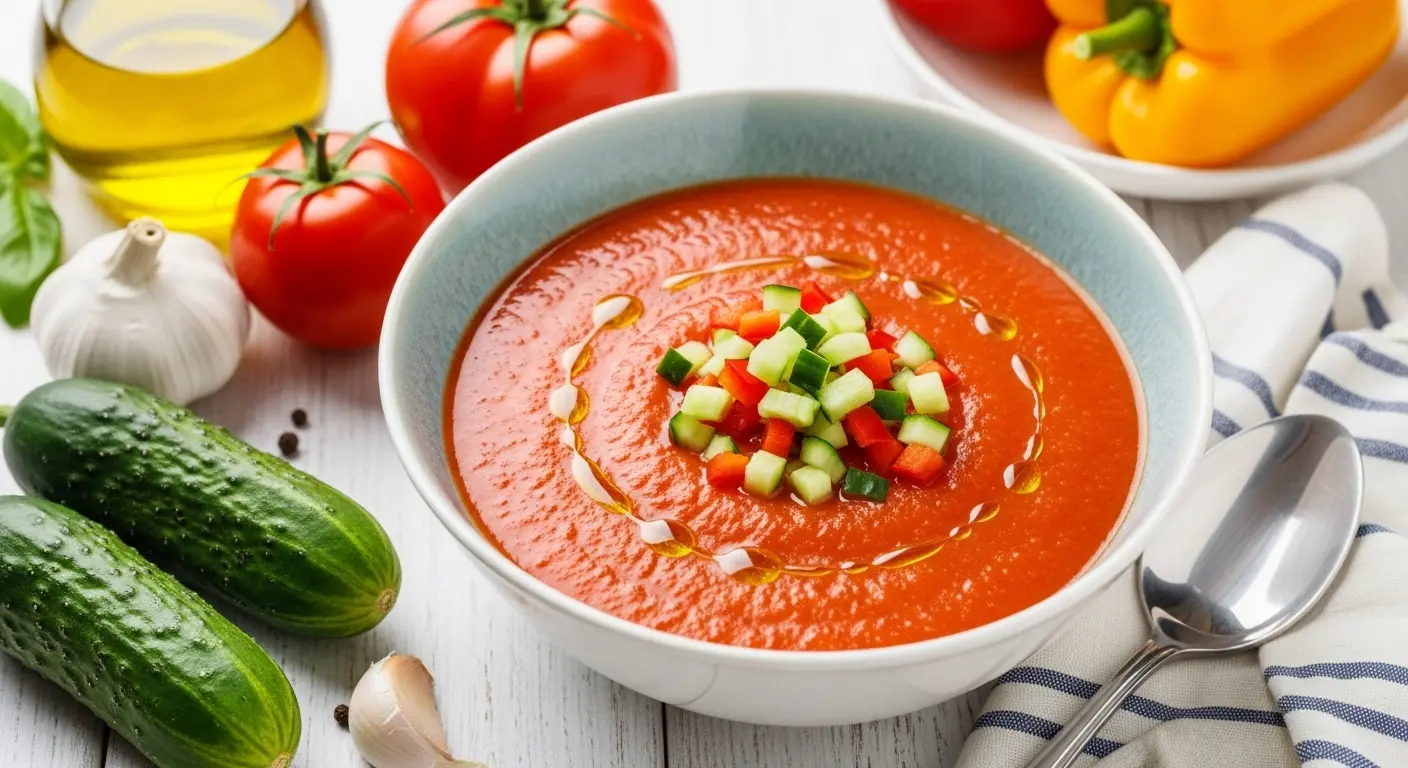
- Serve: Stir gently before serving. Pour into chilled bowls or glasses, and garnish with finely diced cucumber, bell pepper, and a drizzle of olive oil.
Creative twists and Serving Suggestions to Elevate Your Gazpacho Experience
reimagining this Spanish classic can delight the palate with visual and textural surprises.Consider topping your gazpacho with crunchy toasted almonds or pepitas for added bite. A few fresh basil or mint leaves lend herbaceous freshness, beautifully contrasting with the tang.For a luxurious variation, swirl in creamy avocado or dollop dairy-free yogurt to add silkiness without overpowering.
Gazpacho also shines paired with rustic grilled bread rubbed with garlic, or as a chilled companion to roasted vegetable tapas. For an unexpected twist, serve it as a vibrant shooter alongside seafood like grilled sardines or shrimp, linking traditional Andalusian coastal flavors.
Pro Tip: Try layering your gazpacho in clear glasses with finely chopped vegetable garnishes for an Instagram-worthy presentation that teases flavor and texture.
Tips for Success
- Use the freshest, ripest tomatoes for natural sweetness and color. When tomatoes are out of season, opt for high-quality canned tomatoes with no additives.
- Don’t skip soaking the bread; it adds essential body and smoothness without thickening unnaturally.
- Adjust the water amount depending on your preferred thickness – less for a dense soup, more for a lighter drinkable gazpacho.
- Chill sufficiently for optimal refreshment and flavor melding-gazpacho tastes best cold!
- Feel free to blend in batches if your blender is small; this helps achieve consistent texture throughout.
Nutritional Information per Serving
| Calories | Protein (g) | Carbs (g) | Fat (g) |
|---|---|---|---|
| 140 | 3 | 15 | 9 |
For an insider’s viewpoint on Spanish culinary traditions,check our detailed guide to Andalusian cuisine. To learn more about the rich history of gazpacho, the Spanish Food Guide offers an excellent resource.

Q&A
Gazpacho Uncovered: The Chilled Spanish Classic Explained
Q&A Edition
Q: What exactly is gazpacho?
A: Gazpacho is a vibrant, refreshing cold soup originating from Southern Spain, especially Andalusia. It is made primarily from raw vegetables, pureed into a smooth, chilled blend that’s perfect for hot weather. think of it as a liquid garden-luminous, fresh, and bursting with summer’s bounty.
Q: Where does gazpacho come from,and how did it become so popular?
A: Gazpacho’s roots run deep in Andalusian culture. It started as a humble dish for farmers, made from stale bread, garlic, olive oil, vinegar, and fresh vegetables to cool and nourish them in the heat. Over time, as tomatoes and peppers became prevalent after their introduction from the New World, gazpacho evolved into the iconic tomato-based delight we certainly no today. Its flavorful simplicity and healthful qualities propelled it into international kitchens.
Q: What ingredients are essential in a traditional gazpacho?
A: The backbone of traditional gazpacho includes ripe tomatoes, fresh cucumbers, green bell peppers, red onions, garlic, extra virgin olive oil, sherry vinegar (or another mild vinegar), salt, and a bit of good-quality bread to give it body and creaminess. Every spoonful is a balance of tangy, savory, and refreshing flavors.
Q: How is gazpacho different from other cold soups?
A: Unlike soups served hot or even cold versions of cooked soups, gazpacho is based on raw, fresh ingredients blended together without cooking. This preserves the bright, crisp flavors and nutrients of the vegetables. It’s also uniquely textured-silky but not overly smooth-often topped with diced vegetables for an added crunch.
Q: Can gazpacho be customized, or is it always the same?
A: gazpacho is delightfully versatile. Chefs and home cooks alike infuse their own creativity by varying the vegetables, adjusting the acidity, or adding fruits like watermelon or strawberries for a sweet twist. however, the core essence remains: a chilled, vegetable-forward soup that refreshes and delights.
Q: What’s the best way to serve gazpacho?
A: Serve gazpacho ice-cold in a bowl or glass,garnished with finely chopped cucumber,bell pepper,and a drizzle of quality olive oil. Sometimes a few fresh herbs, like basil or parsley, add an aromatic flourish. It’s perfect as a light starter, an afternoon snack, or a cooling side dish on a warm day.
Q: Is gazpacho healthy?
A: Absolutely! Gazpacho is packed with vitamins, antioxidants, and fiber from all the fresh vegetables. It’s naturally low in calories and hydrating, making it a nutritional powerhouse that’s as kind to your body as it is indeed to your taste buds.
Q: How do you store gazpacho, and how long does it keep?
A: Store gazpacho in an airtight container in the fridge. It’s best eaten within 2-3 days, as the vibrant flavors and fresh textures diminish over time.Give it a gentle stir before serving, as some settling may occur.
Q: Can gazpacho be made ahead of time for a party?
A: Yes! Gazpacho is excellent for entertaining. You can prepare it a day in advance to let the flavors meld beautifully. Just remember to add any crunchy garnishes right before serving to keep them fresh.
Q: Are there regional variations of gazpacho in Spain?
A: Yes, while the classic red tomato gazpacho is the most famous, Spain boasts delightful regional twists. For example, “salmorejo” is a thicker, creamier cousin made with more bread and fewer veggies, while “ajoblanco” is a white gazpacho featuring almonds, garlic, and grapes. Each version tells its own story of local ingredients and traditions.
Q: What kitchen tools make gazpacho preparation easiest?
A: A good blender or food processor is key to achieving that smooth yet textured consistency. A fine sieve can also be used to strain the soup for extra silkiness. Sharp knives and a sturdy cutting board help prep those fresh veggies efficiently.
With these insights, gazpacho transforms from just a chilled soup to a celebration of Spanish heritage in every cool, crimson spoonful. Enjoy diving into the flavors of summer’s classic!
In Conclusion
As the last spoonful of gazpacho melts on your tongue, you realize this humble soup is much more than just a refreshing summer staple. It’s a vibrant tapestry woven from Spain’s sun-soaked fields,centuries-old traditions,and a culture that celebrates simplicity with bold,fresh flavors. Gazpacho invites us to slow down,savor the seasons,and rediscover the joy of eating well-chilled,colorful,and utterly alive. So next time the heat rises, let this classic Spanish creation cool your palate and warm your recognition for a dish that’s as rich in history as it is in taste.