
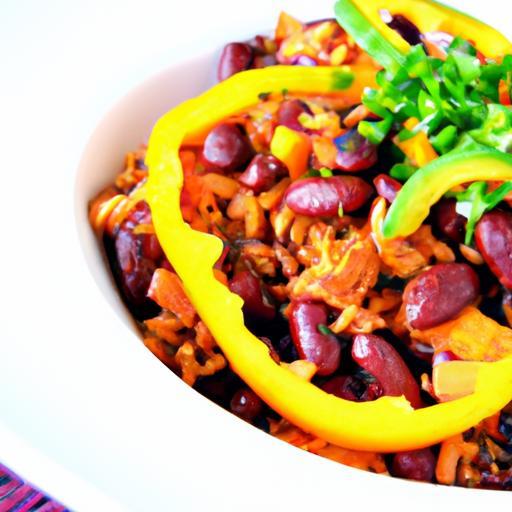
Bursting with color, flavor, and cultural heritage, Gallo Pinto stands as the heart and soul of costa Rican cuisine. More than just a humble combination of rice and beans,this vibrant dish tells a story of tradition,community,and the rich rhythms of everyday life in Central America. As you dive into the world of Gallo Pinto, you’ll uncover how simple ingredients transform into a beloved staple that transcends mere sustenance-inviting you too savor the spirit of Costa Rica in every mouthful. Join us as we unveil the secrets, history, and irresistible charm of this iconic culinary creation.
Gallo Pinto stands as a beloved culinary emblem in Costa Rican cuisine, embodying the country’s vibrant culture and rich gastronomic heritage. This colorful, aromatic rice and beans dish captures the essence of daily life around local tables, where its simple ingredients and soulful flavors unite families at breakfast and beyond.Rooted deeply in indigenous and Afro-Caribbean influences, Gallo Pinto is much more than a meal-it’s a festivity of tradition, resourcefulness, and community spirit.
Prep and Cook Time
Preparation: 10 minutes | Cooking: 20 minutes | Total: 30 minutes
Yield
Serves 4
Difficulty Level
Easy
Key Ingredients and Traditional Preparation Techniques Revealed
At the heart of Gallo Pinto lies a delicate balance between fragrant rice and tender black beans,perfectly infused with the fresh notes of cilantro and the gentle heat of sautéed onions and bell peppers. The traditional preparation starts with cooking the beans separately until soft, then mixing them with pre-cooked rice in a rustic cast-iron skillet or heavy pan. The iconic “Lizano” salsa, a cherished Costa Rican condiment, lends a subtly tangy, slightly sweet depth and is essential for that unmistakable flavor profile. Stirring gently to ensure rice grains retain texture yet absorb the lively seasonings is what makes the dish so unique.
Flavor Profiles and Regional Variations That Make Gallo Pinto Unique
Gallo Pinto harmoniously blends earthy beans with the delicate aroma of toasted rice, accented by sharpness from onions and the fresh herbaceousness of cilantro. Across Costa Rica, regional versions introduce nuances-some include a splash of coconut milk for creaminess along the Pacific coast, transforming the dish into a tropical delight. Others may add diced sweet peppers or a pinch of smoky paprika, reflecting localized tastes.Whether served spicy or mild, Gallo Pinto embraces versatility, making it a canvas for familial and regional storytelling.
Ingredients
- 1 cup long-grain white rice, rinsed and drained
- 1 cup cooked black beans (with some cooking liquid reserved)
- 1 small white onion, finely diced
- 1/2 red bell pepper, finely chopped
- 2 tablespoons vegetable oil or light olive oil
- 1/4 cup fresh cilantro, chopped
- 2 cloves garlic, minced
- 2 tablespoons Lizano salsa (or substitute with mild tangy salsa)
- Salt and freshly ground black pepper, to taste
- Optional: 1/4 teaspoon smoked paprika or mild chili powder
Instructions
- Cook the rice according to package instructions, ideally with a slightly less amount of water than usual to keep grains firm. Set aside and allow to cool to avoid clumping.
- Heat oil in a heavy skillet over medium heat. Add diced onions, red bell pepper, and garlic. Sauté until soft and translucent, about 5 minutes, stirring occasionally to prevent sticking.
- Add the cooked black beans along with 2-3 tablespoons of the reserved bean cooking liquid.Stir gently and let it simmer for 3 minutes to blend flavors.
- Stir in the rice, mixing thoroughly to combine with the beans and aromatics. Add the Lizano salsa gradually while stirring, ensuring even distribution of flavor without over-saturating the rice.
- Cook the mixture over medium heat for another 5-7 minutes, stirring gently but consistently to allow the rice to absorb the seasoning and develop a light crust on the bottom (called “socradito” in Costa Rica).
- Finish by folding in fresh cilantro, season with salt, pepper, and smoked paprika if desired. Give it a final stir and remove from heat.
- Cover and let it rest for 5 minutes before serving to let the flavors meld beautifully.
Tips for Success When Crafting Gallo Pinto at Home
- Use day-old rice if possible; dryer rice prevents mushiness and helps with that authentic grain separation.
- the secret to perfect texture is gentle stirring-avoid smashing the beans or over-stirring the rice,aiming for a light fluffy mix with a touch of crispy bits.
- Customize the spice level by adjusting the amount of paprika or adding a mild chili powder to taste without overpowering the traditional flavors.
- For an oil-free version, sauté vegetables in vegetable broth or water, but keep the final mixing slow and careful for that signature texture.
- Lizano salsa is key for authenticity, but if unavailable, mix mild Worcestershire sauce with tomato paste and a pinch of brown sugar for a similar effect.
- make ahead tip: Prepare the rice and beans the day before, then assemble and finish off the morning of serving for a speedy and fresh result.
Serving Suggestions
Gallo Pinto shines at breakfast alongside warm corn tortillas or fresh white bread. Traditional accompaniments include fried or scrambled eggs,sliced ripe avocado,and tangy pickled vegetables for contrast.Garnish with extra cilantro sprigs and a wedge of lime to brighten each bite. For a complete meal, add black bean soup or a side of sautéed plantains, embodying the true soul of Costa Rican comfort food. The vibrant colors and lively textures make it as visually appealing as it is tasty-perfect for sharing stories and savoring moments at the table.
| Nutrient | Per serving |
|---|---|
| calories | 320 kcal |
| Protein | 12 g |
| Carbohydrates | 54 g |
| Fat | 6 g |

Experience the authentic colors and textures of Gallo Pinto-Costa Rica’s vibrant rice and beans dish unveiled in every bite.
Explore more Costa Rican favorites and their cultural journey in our Costa Rican Breakfast Classics series. For further reading on the culinary heritage of Central America, visit the National Geographic’s Central American Food History article.
Q&A
Q&A: Gallo Pinto – Costa Rica’s Vibrant Rice and Beans Dish Unveiled
Q1: What exactly is Gallo Pinto?
A1: Gallo Pinto is the colorful, flavorful heart of costa Rican cuisine-a harmonious blend of rice and beans, gently sautéed with aromatic herbs and spices.Its name, meaning “spotted rooster,” hints at the speckled appearance created by the mingling of dark beans and white rice. More than just a dish, it’s a cultural emblem that brings families and friends to the breakfast table with warmth and tradition.
Q2: How did Gallo Pinto come to be Costa Rica’s beloved staple?
A2: Gallo Pinto’s roots run deep in the history of Central america, symbolizing a fusion of indigenous and Afro-Caribbean culinary influences.Its affordability and nourishing balance made it a practical and beloved meal, especially among laborers who needed lasting energy. Over time, it evolved into a cherished daily ritual-an inviting start to the day that reflects Costa Rica’s rich agricultural bounty.
Q3: What makes Costa Rican Gallo Pinto different from similar rice and beans dishes?
A3: The magic lies in the seasoning and technique. Costa Rican Gallo pinto is typically flavored with Salsa Lizano, a tangy and slightly sweet sauce unique to the region. This signature ingredient, along with fresh cilantro, finely chopped onions, and bell peppers, creates a lively, zesty profile that distinguishes it from other regional dishes. The rice and beans are cooked separately before being gently combined to keep their distinct textures intact.
Q4: can Gallo Pinto be enjoyed at any time of the day?
A4: Absolutely! While traditionally served for breakfast alongside eggs, fried plantains, and fresh tortillas, Gallo Pinto’s savory goodness transcends the morning hours. It also shines as a satisfying lunch or dinner, adaptable to various pairings like grilled vegetables, avocado slices, or a crisp salad. Its versatility makes it a canvas for creativity in any meal.
Q5: are there any health benefits to eating Gallo Pinto?
A5: Yes! Gallo Pinto is a nutritional powerhouse, combining the protein and fiber of beans with the energy-giving carbohydrates of rice. It’s naturally gluten-free and plant-based,making it a hearty choice for vegetarians and those seeking balanced meals. The addition of fresh herbs and vegetables boosts vitamins and antioxidants, making every bite not only delicious but wholesome.
Q6: What should one keep in mind when making authentic Gallo Pinto at home?
A6: The secret to authenticity is in patience and balance. Use freshly cooked rice-preferably leftover rice from the previous day-and beans cooked to tender perfection. Sauté the aromatics gently to coax out their flavors without burning, and remember to add the Salsa Lizano or its recommended substitutes sparingly to avoid overpowering the dish. stir gently to maintain the characteristic “spotted” appearance that embodies its name.
Q7: How does Gallo Pinto reflect Costa Rican culture beyond the plate?
A7: More than a recipe, Gallo Pinto is a symbol of Pura Vida-a beliefs celebrating simplicity, joy, and connection. Sharing this humble yet hearty dish fosters community and hospitality, echoing Costa Rica’s commitment to fellowship and well-being. From bustling city cafés to serene countryside kitchens, Gallo Pinto binds people together with every flavorful spoonful.
Q8: What are some common side dishes served with Gallo Pinto?
A8: Traditional accompaniments include scrambled or fried eggs, sweet fried plantains, fresh white corn tortillas, and ripe avocado slices. each adds texture and complementary flavors that enhance the overall experience. These sides help round out the meal, making it both comforting and fulfilling.
In Summary
As the sun sets over the lush landscapes of Costa Rica, Gallo Pinto remains a vibrant testament to the country’s rich culinary heritage-a simple yet soulful blend of rice and beans that tells a story of tradition, community, and flavor. Whether enjoyed at a bustling local soda or savored in the quiet comfort of a family kitchen, this beloved dish invites everyone to taste a piece of Costa Rica’s heart and history. So next time you seek a meal that’s both humble and hearty,remember Gallo Pinto: more than just food-it’s a colorful celebration of culture served right on your plate.