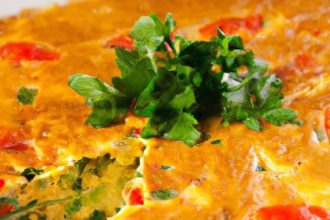

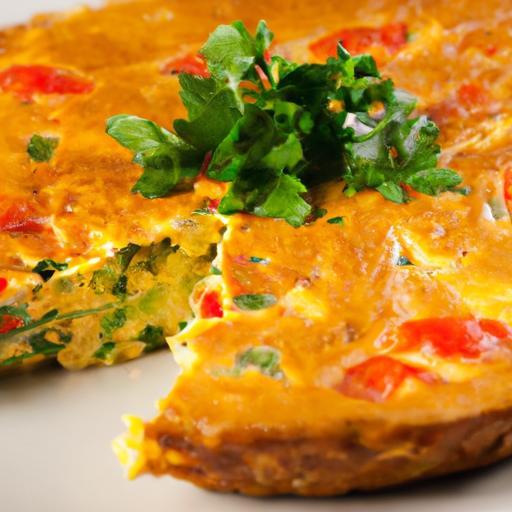
in the vibrant tapestry of Italian cuisine, few dishes embody both simplicity and sophistication quite like the frittata. often overshadowed by its more famous cousins – the pizza and pasta – the frittata quietly boasts a rich heritage and an irresistible versatility that has delighted palates for centuries. ”Frittata Unveiled: A Savory Slice of Italian Delight” invites you on a flavorful journey too explore this humble yet breathtakingly tasty egg-based masterpiece. From its rustic origins in Italian kitchens to its modern-day reinventions, the frittata offers a canvas where fresh ingredients, bold flavors, and culinary creativity converge. Join us as we uncover the secrets behind this savory staple and discover why the frittata deserves a celebrated spot on yoru dining table.
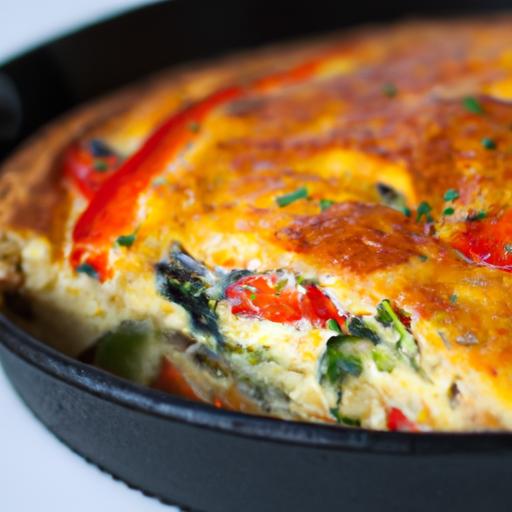
Frittata unveiled reveals much more than a simple egg dish; it offers a delicious journey through Italian tradition and culinary ingenuity. Originating as a humble peasant meal meant to extend and transform leftovers into a filling yet elegant plate, this savory Italian delight embodies versatility and comfort. Over centuries, the frittata has evolved into a celebrated vehicle for fresh, vibrant ingredients, ranging from earthy vegetables to robust cheeses and fragrant herbs-each region adding its unique twist, transforming it into a beloved staple worldwide.
Prep and Cook Time
- Readiness: 15 minutes
- Cooking: 20 minutes
- Total: 35 minutes
Yield
Serves 4 hearty portions
Difficulty Level
Easy - Perfect for both beginner and seasoned home cooks
Ingredients
- 8 large eggs, preferably at room temperature
- 1/4 cup whole milk or cream, for a tender texture
- 1 cup freshly grated Pecorino Romano or Parmigiano-Reggiano cheese
- 1 medium onion, thinly sliced
- 2 cloves garlic, minced
- 1 cup thinly sliced zucchini or summer squash
- 1 cup cherry tomatoes, halved
- 2 tablespoons extra-virgin olive oil
- Salt and freshly ground black pepper to taste
- Fresh basil or oregano leaves for garnish
Instructions
- Preheat your oven to 375°F (190°C) if finishing the frittata in the oven. Alternatively, you can cook it entirely on the stovetop.
- Whisk the eggs and milk in a large bowl until fully blended and aerated. Stir in the grated cheese and season generously with salt and pepper to build foundational flavor.
- Heat olive oil in a 10-inch non-stick ovenproof skillet over medium heat. Add the sliced onion and sauté until translucent and slightly golden, about 5 minutes, stirring occasionally to prevent sticking.
- Add garlic, zucchini, and cherry tomatoes. Cook another 4 minutes until vegetables soften but still retain their vibrant colors, stirring gently.
- Spread vegetables evenly across the skillet. Slowly pour the egg mixture over the vegetables, tilting the pan gently to distribute the eggs evenly.
- Reduce heat to medium-low and cook without stirring for 6-8 minutes until the edges are set but the center remains slightly jiggly.
- Transfer the skillet to the preheated oven and bake for 8-10 minutes, until the frittata is puffed, golden on top, and fully set. Alternatively, cover with a lid and cook on the stovetop for an additional 5 minutes if avoiding the oven.
- Remove from heat, let rest for 3 minutes. Run a spatula around the edges to loosen, than slide onto a serving plate.
- Garnish with fresh basil or oregano leaves for a pop of color and aroma.
- Slice into wedges and serve warm or at room temperature.
Chef’s Notes & Tips for Success
- For a fluffier frittata unveiled, ensure eggs are well beaten and add a splash of milk or cream to keep it moist.
- Use a combination of colorful vegetables for visual appeal and balanced flavor profiles. Bell peppers, asparagus tips, or spinach make excellent alternatives.
- If dairy-free, substitute cheese with nutritional yeast or omit it entirely-season well with herbs.
- Cast-iron or ovenproof non-stick pans work best to allow seamless transition from stovetop to oven without disturbing the dish.
- Leftovers keep well refrigerated for up to 3 days. Reheat gently in a skillet or enjoy cold in sandwiches or salads.
Serving Suggestions
Present your frittata unveiled as a centerpiece for brunch or light dinner. Serve alongside a simple arugula salad drizzled with lemon vinaigrette for fresh acidity that balances richness.Accompany with warm crusty bread or focaccia for a rustic touch. Garnish with additional chopped herbs, a drizzle of high-quality extra virgin olive oil, or a dusting of freshly cracked pepper to enhance both aroma and visual appeal.

| Nutrient | per serving |
|---|---|
| Calories | 280 kcal |
| Protein | 18 g |
| Carbohydrates | 8 g |
| Fat | 18 g |
Discover more delicious Italian classics by exploring our Classic Italian Bruschetta recipe and deepen your culinary repertoire. For additional ancient background on Italian cuisine, the Encyclopedia Britannica’s frittata entry offers authoritative insights.
Q&A
Q&A: Frittata Unveiled: A Savory Slice of Italian Delight
Q1: What exactly is a frittata?
A frittata is an Italian egg-based dish, loosely akin to an open-faced omelet or crustless quiche. It’s a canvas for creativity, where eggs meet a medley of vegetables, cheeses, herbs, and sometimes cooked grains or seafood. Baked or gently cooked on the stovetop, it emerges as a thick, hearty slice of savory comfort.
Q2: How does a frittata differ from an omelet?
While both spotlight eggs, a frittata is thicker and frequently enough slower cooked, allowing fillings to blend harmoniously throughout. Omelets are usually folded or rolled, with fillings nestled inside, whereas frittatas are cooked slowly and often finished in the oven, resulting in a satisfying, sliceable dish.
Q3: What are some classic ingredients used in a traditional frittata?
Classic frittatas celebrate simplicity and freshness: think tender spinach or kale, sweet bell peppers, caramelized onions, earthy mushrooms, sun-ripened tomatoes, melted mozzarella or ricotta, fragrant basil, and occasionally tender zucchini ribbons. The palette is endless, inspired by seasonal bounty.
Q4: Can frittatas be enjoyed at any meal?
Absolutely! Frittatas shine bright at breakfast or brunch, offering a protein-packed start to your day. They also transform effortlessly into a light lunch or dinner, especially when paired with a crisp salad or rustic bread.Plus, they’re delightful served warm, room temperature, or even cold-making them perfect for picnics and packed lunches.
Q5: What’s the secret to making a perfect frittata?
Balance and patience are the keys. Whisk the eggs just enough to blend, season generously, and choose fillings that complement each other. Cook gently on medium-low heat to avoid browning too quickly, then finish under the broiler or in the oven to set without drying out. Let it rest briefly so it firms up beautifully and slices cleanly.
Q6: are frittatas suitable for a vegetarian diet?
Yes! Frittatas can be a vibrant celebration of vegetables,herbs,and cheeses,making them a natural fit for vegetarian tables. Their versatility means you can load them up with leafy greens, vibrant peppers, sweet corn, or even artichoke hearts for a flavorful feast without meat.
Q7: Can you make a frittata ahead of time?
Definitely. Frittatas keep well refrigerated for up to 3 days and reheat gently in a low oven or microwave for a quick meal. They also lend themselves beautifully to batch cooking: bake a few at once to enjoy throughout the week or slice into bite-sized squares for entertaining.
Q8: How can one add a little extra flair to their frittata?
Try folding in fresh herbs like chives, oregano, or tarragon just before cooking, sprinkle a finishing dust of cracked black pepper, or finish with a dollop of creamy pesto or tangy preserved lemons post-bake. Adding a touch of smoked paprika or a handful of toasted pine nuts can also elevate the flavor layers.
Q9: What are some dairy-free options for those avoiding cheese?
For a dairy-free frittata, swap out cheese with nutritional yeast for a cheesy note or add creamy avocado slices after baking. Roasted nuts, such as walnuts or almonds, can add texture, while silken tofu blended with herbs can provide richness and depth to the eggs.Q10: Why has the frittata stood the test of time in Italian cuisine?
The frittata’s enduring charm comes from its simplicity, versatility, and soul-soothing flavor. it’s a humble dish rooted in using what’s on hand-celebrating local, seasonal ingredients-and offering a nourishing, satisfying plate that feels both rustic and refined in any setting. Truly, a delicious slice of Italy on a plate.
Concluding Remarks
As the golden crust of a perfectly baked frittata emerges from the oven, so too does a timeless story of Italian ingenuity and heartwarming tradition. This humble dish,with its layers of vibrant vegetables,creamy cheese,and tender eggs,invites us to savor not just a meal but a moment-a delicious pause in the everyday rush. Whether enjoyed as a hearty breakfast, a leisurely brunch, or a satisfying dinner, the frittata stands as a versatile testament to Italy’s culinary artistry. So next time you seek a savory slice of comfort and culture, remember the frittata: simple in ingredients, rich in history, and endlessly inspiring on the plate.Buon appetito!