
Nestled along Italy’s sun-drenched southeastern coast, Puglia is a land of vibrant colors, ancient traditions, and culinary treasures that whisper stories of the Mediterranean. Among its most beloved delicacies lies Focaccia barese-a golden, olive-studded bread whose crispy crust and pillowy interior have enchanted locals and travelers alike for generations. More than just a simple staple, this irresistible bread embodies the spirit of Puglia’s sun-soaked fields and salty sea breeze. Join us as we unveil the secrets behind Focaccia Barese, exploring its history, unique ingredients, and time-honored techniques that make it a true taste of southern italy’s heart and soul.
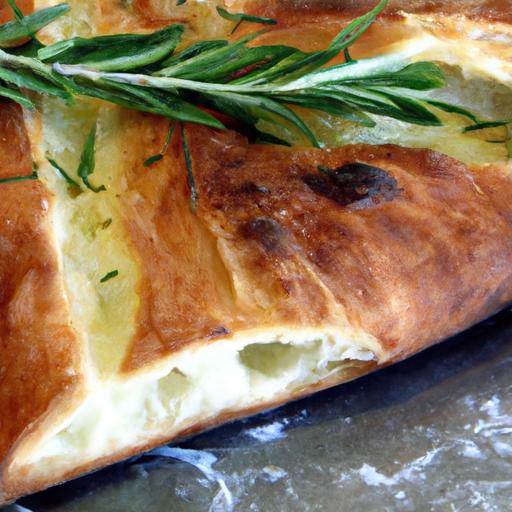
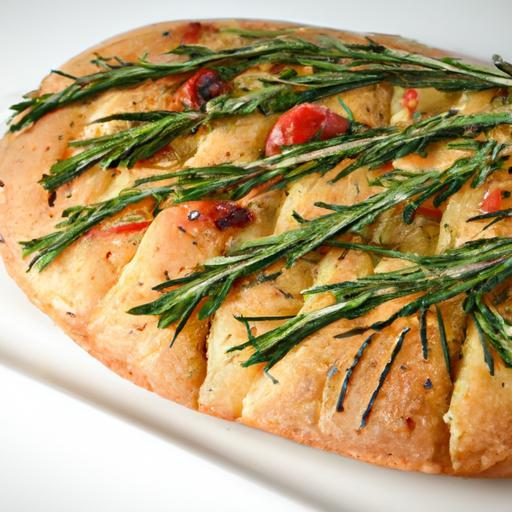
Focaccia Barese is famous throughout Italy and beyond for its irresistibly light, fluffy texture and vibrant Puglian flavor-a result of carefully selected ingredients and distinct dough preparation techniques that capture the essence of southern Italy’s culinary heritage. With its golden crust dotted with glistening cherry tomatoes and fragrant herbs,this bread is a sensory party,embodying the sun-drenched shores and rustic charm of Puglia.
Prep and cook Time
- Preparation: 30 minutes (plus 2 hours rising time)
- Cooking: 25-30 minutes
Yield
Makes 1 large focaccia (8-10 servings)
difficulty Level
Medium – Best attempted with some familiarity with yeast dough handling
Ingredients
- 500g (4 cups) all-purpose flour, sifted
- 300ml warm water (about 95°F / 35°C)
- 12g (1 packet) active dry yeast
- 10g fine sea salt
- 50ml extra virgin olive oil, plus extra for drizzling
- 200g cherry tomatoes, halved
- Handful of fresh oregano leaves
- Coarse sea salt or Maldon salt flakes for topping
Instructions
- Activate the yeast: In a small bowl, combine the warm water with the active dry yeast and a pinch of sugar. let it sit for 5-10 minutes until it becomes frothy, indicating the yeast is alive.
- Prepare the dough: In a large mixing bowl, combine the sifted flour and sea salt. Make a well in the center and slowly pour in the activated yeast mixture and 50ml olive oil. Mix gently with a wooden spoon until the dough begins to come together.
- Knead the dough: Transfer the dough onto a lightly floured surface. Knead vigorously for 8-10 minutes until the dough is smooth, elastic, and slightly tacky but not sticky. This process helps develop gluten that contributes to the bread’s signature fluffy texture.
- First rise: Place the dough in a clean, lightly oiled bowl and cover with a damp kitchen towel or plastic wrap. Leave it in a warm, draft-free place for about 2 hours, or until doubled in size.
- Shape and season: Punch down the dough gently and transfer it to a well-oiled baking sheet (about 12×16 inches). Using yoru fingers, dimple the dough deeply all over to create the characteristic “pockets.” Arrange the halved cherry tomatoes evenly spaced, gently pressing them into the dough.
- second rise: Cover again and let the dough rest for 30 minutes to rise slightly. Preheat the oven to 220°C (430°F) during this step.
- Final touches: Drizzle generously with extra virgin olive oil, sprinkle fresh oregano leaves, and finish with coarse sea salt flakes.The olive oil pools in the dimples and crisps into a golden, aromatic crust while the tomatoes roast to juicy perfection.
- Bake: Place in the oven for 25-30 minutes or until the focaccia is a deep golden brown and emits that irresistible toasted aroma.
- Cool and serve: Let the focaccia rest for 10 minutes before slicing. Serve warm or at room temperature for the fullest flavor experience.
Tips for Success
- Choose your flour wisely: Using all-purpose flour with a moderate protein content ensures the perfect balance of chew and fluffiness characteristic of Focaccia Barese.
- Water temperature: Lukewarm water activates the yeast without killing it. Be precise here for optimal rise.
- Kneading matters: Proper gluten growth is key to that airy crumb. don’t rush this step-knee until the dough feels silky but still slightly tacky.
- Tomatoes: Opt for firm, ripe cherry tomatoes that roast beautifully without becoming too watery or mushy.
- Make-ahead tip: For an even richer flavor, let your dough rise slowly overnight in the refrigerator, then bring to room temperature before shaping.
Serving Suggestions
This focaccia shines as a centerpiece at any leisurely meal. Slice into rustic squares and serve alongside fresh, vibrant salad greens scattered with lemon vinaigrette.For an iconic Puglian touch, accompany it with a side of creamy burrata cheese or a drizzle of high-quality extra virgin olive oil. Garnish with fresh oregano sprigs or a shower of cracked black pepper for added aroma. It also pairs beautifully with roasted vegetable spreads or a bowl of warm minestrone.

| Nutrient | Per Slice (approx. 80g) |
|---|---|
| calories | 190 |
| Protein | 5g |
| Carbohydrates | 28g |
| Fat | 6g |
For a deeper dive into conventional Italian breads, explore our detailed guide on Italian focaccia variations. To learn about the nutritional benefits of extra virgin olive oil, visit the Harvard T.H. Chan School of Public Health.
Q&A
Focaccia Barese: Secrets of Puglia’s Irresistible Bread – Q&A
Q1: What makes focaccia Barese different from other types of focaccia?
A1: Focaccia Barese hails from the sun-kissed region of Puglia in southern Italy,and it’s distinguished by its thick,pillowy texture and golden,crispy crust. Unlike other focaccias, it uses a mixture of wheat and sometimes durum wheat flour, which gives it a unique chewiness. It’s generously topped with ripe cherry tomatoes, fragrant oregano, and a good drizzle of extra virgin olive oil – all brilliant expressions of Puglia’s simple, vibrant ingredients.
Q2: How does the dough of Focaccia barese achieve its characteristic softness and airy crumb?
A2: The secret lies in both the choice of flour and the fermentation process. Using a high-protein flour, often blended with semolina or durum wheat, helps develop gluten strength. The dough is hydrated generously, making it quite wet and sticky, which might seem tricky but leads to a tender crumb. Patience is key – a slow,long fermentation allows the dough to rise fully,creating those delightful air pockets that melt in your mouth.
Q3: What role does olive oil play in Focaccia Barese?
A3: Olive oil is practically the lifeblood of this bread. Beyond enriching the dough itself, a generous pour of local extra virgin olive oil before and after baking ensures a golden crust with a subtle fruity aroma and moist interior. It also acts as a medium to infuse the flavors of the topping – like oregano and tomatoes – making every bite aromatic and luscious.
Q4: Are the cherry tomatoes on top cooked before baking?
A4: no, they’re added raw on top of the dough just before it goes into the oven. During baking, they roast gently in the heat, bursting with sweetness and creating little pockets of juicy flavor that perfectly complement the savory, salty crust.
Q5: Can Focaccia Barese be made without a bread machine or professional oven?
A5: Absolutely! While traditional Puglian bakers use wood-fired ovens, you can achieve excellent results at home with a standard kitchen oven. The key is to preheat the oven well to around 230°C (450°F) and use a sturdy baking sheet or cast-iron pan to mimic that high,dry heat. For mixing and kneading, hands or a stand mixer work perfectly without special equipment.
Q6: What herbs or seasoning are typically used in Focaccia Barese?
A6: The classic seasoning is simple yet evocative: fresh oregano is the traditional choice,adding an earthy,piney aroma that’s quintessentially Mediterranean. Coarse sea salt is sprinkled generously for a bright, crunchy contrast. Sometimes rosemary or thyme might be included regionally, but oregano remains the hallmark.
Q7: Is Focaccia Barese usually eaten on its own or served with something?
A7: Focaccia Barese is a versatile delight. It’s fantastic eaten warm straight from the oven – a perfect snack or accompaniment to soups and salads. It’s also a beloved street food and picnic favorite, often torn into chunks and shared.Its hearty yet delicate flavor plays nicely with cheeses, roasted vegetables, or simply a drizzle more of olive oil.
Q8: How can one store and enjoy leftovers without losing the bread’s magic?
A8: Focaccia Barese is best enjoyed fresh, but if you have leftovers, store them in an airtight container once cool. To revive its crisp crust and warm interior, reheat it in a preheated oven at 180°C (350°F) for about 5-7 minutes. Avoid the microwave, which tends to make the crust soggy and the crumb gummy.
Q9: Can Focaccia Barese be customized without losing its authentic soul?
A9: While the classic toppings are minimalistic, embracing the simplicity of puglia’s flavors, feel free to annotate with additions like thinly sliced red onions, kalamata olives, or even a sprinkle of crushed red pepper for a mild heat.Just remember: the essence of Focaccia Barese is its balance of airy crumb, fragrant olive oil, ripe tomatoes, and herbaceous notes – so keep enhancements respectful to this harmony.
Q10: Why has Focaccia Barese become such a beloved bread beyond puglia?
A10: Its universal appeal lies in its heartfelt simplicity – a bread that feels rustic yet indulgent, easily shared among friends and family. The combination of tender crumb, crispy edges, bright bursts of tomato, and the rich scent of olive oil feels like a warm embrace. It embodies the spirit of puglia’s coastline, sun, and earth, inviting bakers everywhere to partake in a timeless story of flavorful tradition.
In conclusion
As the fragrant aroma of freshly baked Focaccia Barese fills the air, it’s clear that this humble bread is much more than just a regional specialty-it’s a delicious testament to Puglia’s rich culinary heritage. From its golden, olive oil-kissed crust to the joyful burst of sun-ripened tomatoes and fragrant oregano, every bite tells a story of tradition, passion, and simplicity. Whether enjoyed warm straight from the oven or as a savory companion to your favorite meal, focaccia barese invites you to savor a genuine slice of southern Italy’s soul.so next time you find yourself craving something truly irresistible, remember the secrets of Puglia’s beloved bread-because some flavors are destined to become unforgettable.