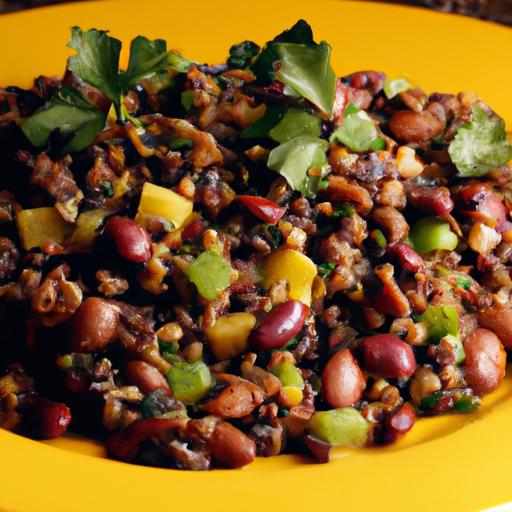




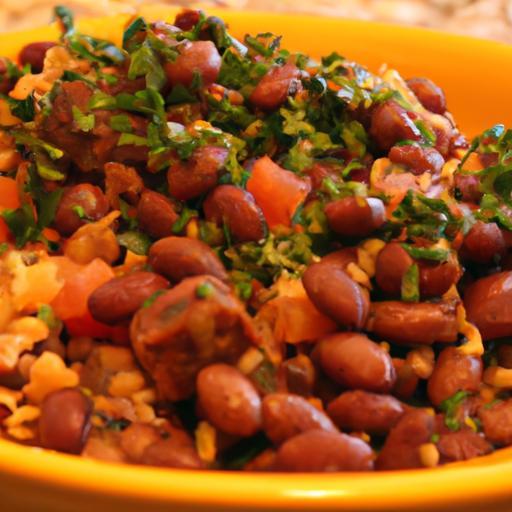
In the vibrant tapestry of Brazilian cuisine, few dishes capture the heart and soul of the country quite like Feijão Tropeiro. Originating from the bustling trails once traveled by Portuguese muleteers, this hearty bean-based concoction has transcended its humble beginnings to become a beloved staple across Brazil. More than just a meal, Feijão Tropeiro is a flavorful tradition-an intricate blend of beans, manioc flour, savory meats, and spices that tells a story of history, culture, and communal celebration.Join us as we explore the rich origins and tasty layers of Feijão Tropeiro, bringing Brazil’s culinary heritage right to yoru plate.
Origins and cultural Meaning of Feijão Tropeiro
Feijão Tropeiro is much more than a hearty Brazilian dish-it is a flavorful tradition on your plate that tells the story of Brazil’s rich history and regional diversity.Originating from the ancient tropeiros-traveling muleteers who traversed Brazil’s vast hinterlands-the dish was crafted for sustenance on long journeys. These traders needed robust, calorie-dense meals combining ingredients that traveled well: beans, manioc flour, and fresh greens. Over time, Feijão Tropeiro evolved into a beloved symbol of Minas Gerais, carrying connotations of community, hospitality, and celebration.
Its cultural significance extends beyond nourishment; it gathers people around the table during festivals, family reunions, and local gatherings. Today, Feijão Tropeiro is a vibrant reflection of Brazilian identity, blending indigenous staples with Portuguese influences. Each spoonful is packed not just with flavor,but with stories of resilience and shared heritage.
Key Ingredients That Bring Authentic Flavors to Life
Every essential element of this dish works in harmony to create the iconic taste that defines Feijão Tropeiro. At its heart lies the carioca beans, gently stewed to tender perfection, providing an earthy base. Farofa-toasted manioc flour-is the soul of the texture, offering a satisfying crunch and a subtly nutty flavor that awakens the palate. Aromatic garlic and onions, sautéed until golden, add warmth and depth, while fresh green collard greens introduce a vibrant, slightly bitter contrast that balances the richness.
In contrast to traditional recipes, this version omits pork but embraces equally robust proteins like lean beef strips or chicken breast, allowing for tender, flavorful bites without overpowering the dish. Finishing touches of olive oil and a sprinkle of parsley lift the flavors, resulting in a beautifully layered culinary experience.
Prep and Cook Time
- Preparation: 20 minutes
- Cooking: 40 minutes
- Total Time: 1 hour
Yield
Serves 6 generous portions - perfect for sharing a taste of Brazil with family and friends.
Difficulty Level
Medium – approachable for home cooks ready to explore authentic Brazilian flavors with confidence.
Ingredients
- 2 cups carioca beans, soaked overnight and rinsed
- 1 large onion, finely chopped
- 4 cloves garlic, minced
- 2 cups collard greens, shredded, tough stems removed
- 2 tablespoons olive oil
- 200g lean beef strips or boneless chicken breast, thinly sliced
- 1 1/2 cups toasted manioc flour (farofa)
- salt and freshly ground black pepper, to taste
- 1/4 cup fresh parsley, chopped
- 1 teaspoon smoked paprika (optional, for warmth)
- 1 fresh lime, cut into wedges (for serving)
Step by Step Guide to Preparing Traditional Feijão Tropeiro
- Cook the Beans: Place the soaked beans in a large pot with fresh water, cover, and bring to a boil. Reduce heat and simmer for 30-40 minutes until tender but not mushy. Drain and set aside, reserving some cooking liquid.
- Sauté Aromatics: Heat olive oil in a large skillet over medium heat. Add onions and cook until translucent,about 5 minutes. Add garlic and sauté another 2 minutes, stirring to prevent burning.
- Cook Protein: Push aromatics to the skillet sides, add beef or chicken strips, and sear until browned and cooked through, 6-8 minutes. Season with salt,pepper,and smoked paprika for extra depth.
- Add Greens: Stir in shredded collard greens and cook for 3-4 minutes until wilted but still vibrant. If the pan feels dry, splash a few tablespoons of reserved bean water.
- Combine Beans and Farofa: Gently mix in cooked beans and toasted manioc flour, stirring carefully to coat everything evenly without breaking the beans. the farofa should toast slightly in the pan, absorbing flavors while retaining a pleasant crunch.
- Season and Garnish: Adjust seasoning with salt and pepper. Remove from heat and fold in chopped parsley for a fresh, herbal lift.
- Serve: Transfer to a warm platter. Garnish with lime wedges to squeeze over the warm dish, brightening each bite.
Chef’s Notes: Tips for Success
- Bean Cooking Tip: Check the beans occasionally to ensure they don’t overcook; tender but intact beans hold up best in the dish.
- Farofa Variations: For added texture, toast the manioc flour with a pinch of cumin or finely chopped bell peppers.
- Vegetarian-Friendly: Replace meat with sautéed mushrooms or smoked tofu for a smoky depth without animal protein.
- Make-ahead: Prepare beans and sautéed components in advance; combine with farofa just before serving to retain crispness.
- Freshness boost: Never skip the parsley and lime garnish-they’re crucial in balancing the richness and enlivening the dish.
Pairing Feijão Tropeiro with Regional Dishes and Drinks
This dish shines when enjoyed alongside traditional Minas Gerais sides such as pamonha-a sweet, creamy corn cake-or crispy baked cassava fries.For beverages, cachaça,Brazil’s iconic sugarcane spirit,pairs beautifully when served neat or in a citrusy caipirinha cocktail. Non-alcoholic options like fresh sugarcane juice or a chilled guava nectar complement the bold flavors without overwhelming them.
The bright acidity of lime in the dish also harmonizes with chilled lager-style beers and herb-infused iced teas, which provide refreshing counterpoints to Feijão Tropeiro’s dense, savory complexity.
| Nutrient | Per Serving |
|---|---|
| Calories | 420 kcal |
| Protein | 28 g |
| Carbohydrates | 45 g |
| Fat | 9 g |

Q&A
Q&A: Feijão Tropeiro – Brazil’s Flavorful Tradition on Your Plate
Q1: What is Feijão Tropeiro?
A: Feijão Tropeiro is a traditional Brazilian dish that combines hearty beans with a medley of flavorful ingredients. Originating from the tropeiros-Brazilian muleteers who traveled the countryside-it’s a vibrant, satisfying meal that reflects the rich culinary heritage of Minas Gerais and beyond.
Q2: What makes feijão Tropeiro unique compared to othre bean dishes?
A: Unlike simpler bean stews, Feijão Tropeiro features a distinctive mix of beans tossed with toasted manioc flour (farofa), sautéed vegetables, eggs, and fresh herbs. This blend creates a delightful contrast of textures and tastes-creamy beans balanced by a crunchy, savory coating.
Q3: Which beans are traditionally used in Feijão Tropeiro?
A: The dish typically uses carioca beans (similar to pinto beans), prized for thier creamy texture and earthy flavor. Sometimes black beans are used, but carioca beans remain the classic choice for authenticity.
Q4: What are the key ingredients that bring Feijão tropeiro to life?
A: Core ingredients include cooked beans, sautéed onions, garlic, boiled eggs chopped or sliced, chopped green onions, coriander, and farofa. The farofa, made from toasted cassava flour, adds a crispy, nutty element that’s essential to the dish’s character.Q5: Is Feijão Tropeiro a vegetarian dish? How can it be adapted for vegetarian diets?
A: while some versions may include meat,Feijão Tropeiro can easily be enjoyed vegetarian. Omitting any animal-based proteins and focusing on fresh vegetables, eggs, and the traditional beans keeps it flavorful and nourishing. Adding roasted vegetables or smoked tofu can also boost richness without compromising tradition.
Q6: How is Feijão Tropeiro traditionally served?
A: Feijão Tropeiro often accompanies rice and sautéed collard greens, creating a balanced plate that’s both comforting and robust. It can be enjoyed at family gatherings, festivals, or as a hearty everyday meal-its warmth and flavor making it a crowd-pleaser.
Q7: Can feijão Tropeiro be enjoyed outside of Minas Gerais?
A: Absolutely! While it hails from Minas Gerais, Feijão Tropeiro’s popularity has spread throughout Brazil and even reached international kitchens. Its adaptable ingredients and irresistible taste make it a great ambassador of Brazilian cuisine worldwide.
Q8: What’s the best way to experience the authentic taste of feijão Tropeiro at home?
A: To capture Feijão Tropeiro’s true essence, use fresh ingredients and don’t skip the farofa. Toast your manioc flour until golden and aromatic, and combine it gently with warm beans and sautéed aromatics. Finish with fresh herbs and a touch of lime or vinegar for brightness.
Q9: Why is Feijão Tropeiro considered more than just food in Brazilian culture?
A: Feijão Tropeiro carries history and community within every bite. Originating from the tropeiros’ need for portable, nourishing meals, it evolved into a dish representing resilience, shared journeys, and cultural pride. Enjoying it is indeed a celebration of Brazil’s diverse traditions and the warmth of togetherness.
Q10: How does Feijão Tropeiro inspire creativity in the kitchen?
A: its flexible foundation invites cooks to explore seasonal veggies, experiment with herbs and spices, and even create vegan or gluten-free versions by swapping ingredients like farofa. creative cooks celebrate Feijão Tropeiro as both a canvas and a connection to authentic Brazilian roots.
Final Thoughts
As the aroma of feijão tropeiro fills the kitchen,it carries with it centuries of Brazilian history and the vibrant spirit of its people.More than just a dish, feijão tropeiro is a celebration of community, culture, and the simple joy of sharing a hearty meal. Whether enjoyed at a bustling street market in Minas Gerais or recreated in your own home, this flavorful tradition invites you to savor not only its rich blend of ingredients but also the stories and heritage simmering beneath every bite. So next time you sit down to enjoy feijão tropeiro, remember you’re tasting a delicious chapter of Brazil’s culinary legacy-one that continues to bring warmth and connection to tables around the world.