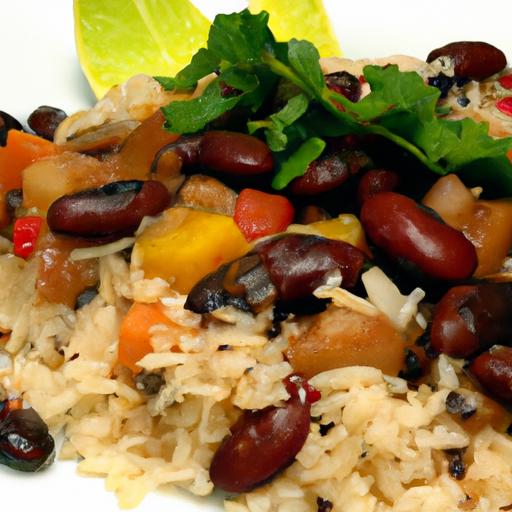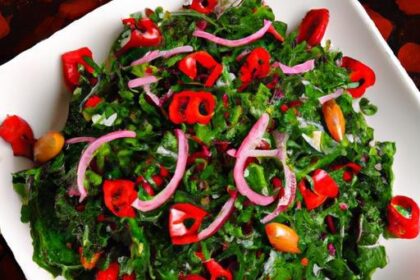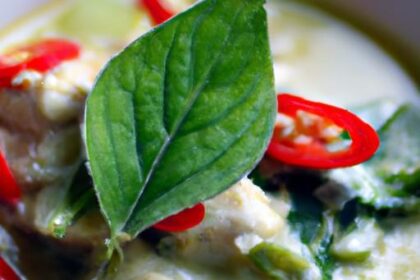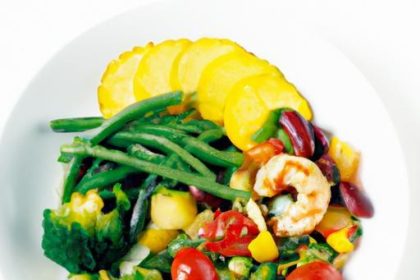




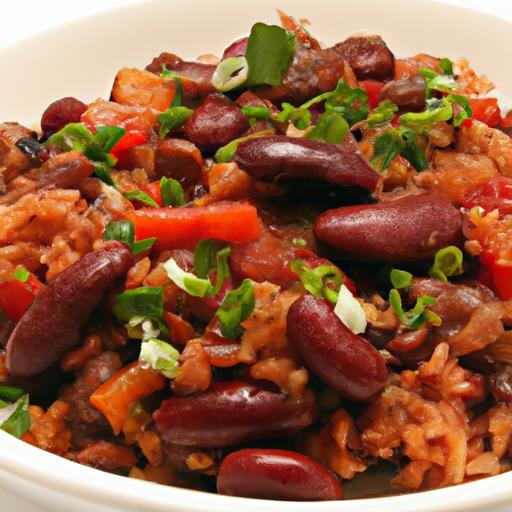
Imagine a dish that tells a story with every bite-a blend of history, tradition, and bold flavors nestled on your plate. Feijão Tropeiro, one of Brazil’s most beloved classics, is much more than just a hearty meal; it’s a culinary journey that captures the spirit of the country’s rural past and vibrant culture. Originating from the trails of the tropeiros, the legendary muleteers who traversed Brazil’s vast landscapes, this flavorful bean-based dish combines simple ingredients into a symphony of taste and texture. In this article, we’ll unravel the origins, ingredients, and cultural importance of Feijão Tropeiro, inviting you to discover why it remains an enduring favourite in Brazilian kitchens today.
Feijão tropeiro stands as one of Brazil’s most iconic and hearty dishes, brimming with rich history and vibrant flavors. Originating in the countryside of Minas Gerais, it was originally crafted by the “tropeiros” - the muleteers who transported goods across vast terrains. This dish not only fueled their long journeys but also became a cultural emblem, blending indigenous, African, and Portuguese culinary influences. With its robust combination of beans, manioc flour, fresh herbs, and savory ingredients, feijão tropeiro invites you into a sensory exploration of brazilian heritage and comfort food at its finest.
Prep and Cook Time
- Preparation: 20 minutes
- Cooking: 40 minutes
- Total Time: 1 hour
Yield
Serves 6 generous portions, ideal for family gatherings or lively dinners with friends.
Difficulty Level
Medium: While the dish involves several components and steps, the instructions are straightforward, perfect for any enthusiastic home cook eager to master traditional Brazilian cuisine.
key Ingredients
- 2 cups dried carioca beans or black beans, soaked overnight and drained
- 3 tablespoons vegetable oil (neutral flavor recommended)
- 1 large yellow onion, finely chopped
- 4 cloves garlic, minced
- 1 medium red bell pepper, diced
- 1 cup manioc (cassava) flour – toasted or plain
- 1 cup collard greens, thinly sliced
- 1 cup cooked quinoa (optional for a protein boost)
- 1 large carrot, grated
- 2 tablespoons fresh parsley, chopped
- Salt and freshly ground black pepper to taste
- 1 teaspoon smoked paprika (for depth of flavor)
- 1 teaspoon ground cumin
Instructions
- Cook the beans: Place the soaked and drained beans in a large pot with enough water to cover. Simmer gently until tender but not mushy,about 1 hour. Drain, reserving some of the cooking liquid.
- Sauté aromatics: In a large skillet, heat the vegetable oil over medium heat. Add the finely chopped onion and garlic,sautéing until translucent and aromatic-about 5 minutes.
- Add diced bell pepper and grated carrot: Continue cooking for another 5 minutes, stirring frequently enough to soften and blend flavors without browning too much.
- Incorporate spices: Sprinkle smoked paprika and cumin into the skillet, stirring well to coat the vegetables and awaken the rich, smoky notes essential to feijão tropeiro.
- Combine beans and greens: Add the cooked beans,thinly sliced collard greens,and a splash of reserved bean liquid if necessary to moisten. Stir gently over low heat to wilt the greens and marry all components together.
- Toast manioc flour: In a separate dry skillet, lightly toast the manioc flour over medium heat, stirring constantly until golden and fragrant-approximately 3 minutes.This step adds a signature nutty crunch texture to the dish.
- Final assembly: Gradually fold the toasted manioc flour into the bean mixture, stirring gently but thoroughly to distribute the texture evenly. Adjust seasoning with salt and black pepper.
- Integrate fresh parsley and quinoa (if using): Stir in the chopped parsley and cooked quinoa last to retain freshness and a subtle burst of colour.
- Serve immediately: Feijão tropeiro is best enjoyed warm,with its contrasting textures inviting every bite to be a celebration of Brazilian culinary artistry.
Chef’s Notes: Tips for Success
- Bean choice: Carioca beans deliver the closest authentic experience, but black beans or pinto beans can serve as delightful alternatives while keeping the dish hearty.
- Manioc flour alternatives: If you cannot find manioc flour, use good-quality polenta or coarse cornmeal for a slightly different but similarly crunchy texture.
- Make-ahead tip: Prepare the beans a day in advance and refrigerate. Toast manioc flour freshly before serving to maintain crispness.
- Vegetarian adaptation: This recipe is naturally vegetarian, but adding sautéed mushrooms can deepen the umami profile.
- Greens options: Collard greens are traditional, but kale or swiss chard work beautifully and are more widely available in some regions.
Serving Suggestions and Pairing Tips for an Authentic Brazilian Experience
Feijão tropeiro pairs exquisitely with white rice, providing a fluffy counterpoint to its earthy textures. To echo the traditional Brazilian table, serve alongside a vibrant Brazilian vinaigrette salad-a zesty mix of tomatoes, onions, and bell peppers dressed with lime juice.
For an authentic touch, offer farofa-toasted manioc flour with herbs-and a squeeze of fresh lime on the side to brighten the palate. Complement this hearty dish with a refreshing, fruit-based beverage like caipirinha (Brazil’s iconic lime cocktail) or a chilled coconut water for a non-alcoholic delight.

Nutritional Details (per serving)
| Calories | Protein | Carbohydrates | Fat |
|---|---|---|---|
| 350 kcal | 18 g | 50 g | 7 g |
Q&A
Q&A: Feijão Tropeiro – Brazil’s Flavorful Classic Dish Explained
Q1: What is Feijão Tropeiro?
A1: feijão Tropeiro is a traditional Brazilian dish hailing from the state of Minas Gerais. It’s a hearty and rustic ensemble primarily made with beans, cassava flour (farofa), eggs, and aromatic spices. This dish is beloved for its bold flavors and satisfying textures that tell a story of Brazil’s vibrant culinary heritage.Q2: Why is it called “Feijão Tropeiro”?
A2: The name “Tropeiro” comes from the “tropeiros,” or muleteers, who were traveling merchants transporting goods across Brazil’s hinterlands centuries ago. They combined simple, non-perishable ingredients like beans and cassava flour to create meals that fueled their long journeys. Feijão Tropeiro reflects this spirit of adventure and practicality.
Q3: What are the main ingredients in feijão Tropeiro?
A3: The foundation of feijão Tropeiro is cooked beans (usually black-eyed peas or carioca beans), sautéed with garlic, onions, and green onions. Classic additions include scrambled eggs and cassava flour, which adds a unique, slightly crunchy texture. Some recipes incorporate a hint of tomato or bell pepper for freshness and color.
Q4: How does cassava flour contribute to the dish?
A4: Cassava flour, or “farofa,” is a staple in Brazilian cooking and gives Feijão Tropeiro its signature texture and earthiness. it lightly coats the beans and other ingredients, creating a delightful contrast between creamy beans and slightly toasted granules. This ingredient also helps absorb the savory juices, enhancing the overall flavor profile.
Q5: What occasions is Feijão Tropeiro typically served?
A5: Feijão Tropeiro is a crowd-pleaser frequently enough enjoyed at family gatherings,festive celebrations,and local festivals. It’s a dish that embodies warmth and conviviality, usually paired with rice and sometimes complemented by sautéed kale or collard greens.
Q6: How do you make Feijão Tropeiro vegetarian-friendly?
A6: Feijão Tropeiro can shine without any meat by focusing on fresh vegetables and seasonings. Ingredients like sautéed mushrooms,roasted peppers,or even smoked paprika can add depth and complexity,while the combination of eggs and cassava flour keeps the dish filling and flavorful.
Q7: What makes Feijão Tropeiro unique compared to other Brazilian bean dishes?
A7: What sets Feijão Tropeiro apart is its texture and layering of flavors. Unlike simple stewed beans,this dish incorporates a dry,toasted element through cassava flour,giving it a distinctive mouthfeel. Its roots in Brazil’s travel and trading history also lend it a charming,story-rich identity.
Q8: Can Feijão Tropeiro be customized for different tastes?
A8: Absolutely! While the classic recipe sticks to its core ingredients, modern cooks often experiment by adding different herbs like cilantro or parsley, incorporating mild chili for a kick, or swapping in quinoa for an innovative twist. The dish invites creativity, making it a versatile staple.Q9: How should Feijão Tropeiro be served for an authentic experience?
A9: Traditionally, Feijão Tropeiro is served warm alongside white rice and sautéed greens, like collard or kale (“couve”). A simple fresh salad and some crusty bread can complete the meal, highlighting the rustic and hearty essence of Minas Gerais’ cuisine.
Q10: Where can I try authentic Feijão Tropeiro outside Brazil?
A10: Many Brazilian restaurants around the world, especially those specializing in Minas Gerais cuisine, offer Feijão Tropeiro on their menus. Seek out eateries that prioritize traditional techniques and ingredients, or try making it at home for a true taste of brazil’s warmth and history.
The Conclusion
Whether enjoyed at a bustling street fair or a cozy family gathering in Minas Gerais, Feijão Tropeiro remains a vibrant testament to Brazil’s rich culinary tapestry. This hearty dish,born from the ingenuity of the tropeiros-Brazil’s historic muleteers-continues to bring people together with its perfect blend of beans,manioc flour,savory meats,and spices. By understanding the origins and ingredients of Feijão Tropeiro, we gain more than just a recipe; we uncover a flavorful story of culture, tradition, and community. So next time you take a bite, you’re not just tasting a meal-you’re savoring a tasty piece of Brazil’s heritage.