

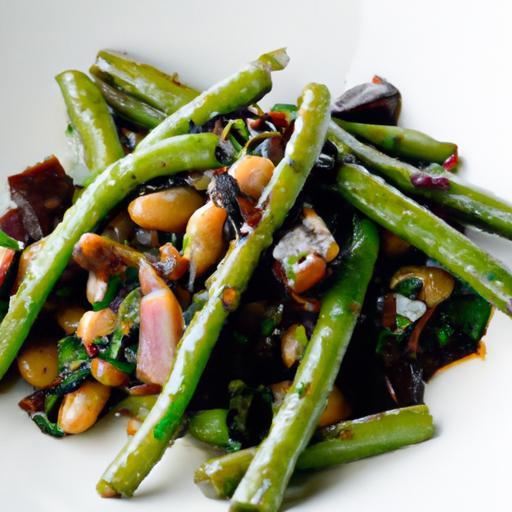
Nestled among the vibrant flavors of the Mediterranean, fasolakia-the humble green bean-shines as a culinary gem waiting to be rediscovered. More than just a simple vegetable, fasolakia carries with it centuries of tradition, sunshine-soaked fields, and the heart of Mediterranean home cooking. From rustic family tables in Greece to bustling markets along the coast, this verdant pod weaves a story rich in history, nutrition, and irresistible taste. Join us as we uncover the layers behind fasolakia,exploring its cultural roots,culinary versatility,and why it deserves a starring role on your plate.
Discovering the Origins and Cultural Significance of Fasolakia
Fasolakia is a cherished emblem of Mediterranean cooking, rooted deeply in the culinary traditions of Greece and its surrounding regions. This vibrant green bean stew-bursting with the fresh flavors of olive oil, tomatoes, and aromatic herbs-has long been a staple of home-cooked meals, celebrated for its simplicity and soulful taste. The dish showcases the mediterranean reverence for seasonal produce and communal dining, evoking memories of sun-drenched kitchens and family gatherings were every bite tells a story.
Growing up, I recall my grandmother’s humble fasolakia simmering slowly on the stove, filling the house with an irresistible aroma that promised comfort and nourishment. Its cultural significance extends beyond flavor-fasolakia embodies a culinary heritage that respects nature’s bounty and highlights Mediterranean values of health and hospitality.
Essential Ingredients and Techniques for Authentic mediterranean Fasolakia
Authenticity in fasolakia begins with quality, fresh ingredients and the correct technique to coax out the fullest flavors while achieving tender beans with a rich, silky sauce. The foundation rests upon green beans lovingly trimmed and paired with ripe, sun-kissed tomatoes, fragrant garlic, and a generous drizzle of extra virgin olive oil. The slow simmering technique is crucial to meld the ingredients, allowing the natural sweetness of the tomatoes and the subtle bite of the beans to balance beautifully. Traditional herbs like fresh dill or parsley add brightness without overpowering the dish. Patience is key-avoid rushing the stew to preserve the integrity of each component and achieve that signature Mediterranean depth of flavor.
Prep and Cook Time
- Readiness Time: 15 minutes
- Cooking Time: 45 minutes
Yield
- Serves 4 as a main or side dish
Difficulty Level
- Easy
Ingredients
- 1 lb (450 g) fresh green beans, trimmed and halved
- 3 medium ripe tomatoes, peeled and finely chopped
- 1 large onion, finely chopped
- 3 garlic cloves, minced
- 1/4 cup (60 ml) extra virgin olive oil
- 1 tbsp tomato paste
- 1 cup (240 ml) vegetable broth
- 1/2 tsp sugar (optional, to balance acidity)
- Salt and freshly ground black pepper, to taste
- 1 tbsp fresh dill or parsley, chopped
- Juice of half a lemon
Instructions
- Prepare the green beans: Rinse thoroughly and trim off the ends. Halve the beans lengthwise if they are thick for more tender results.
- sauté aromatics: In a deep sauté pan or pot, heat the olive oil over medium heat. Add the chopped onion and cook until translucent, about 5 minutes. Add minced garlic and sauté for another minute, stirring frequently to avoid burning.
- Add tomato paste and tomatoes: Stir in the tomato paste and chopped tomatoes, cooking down until the mixture thickens slightly, about 7 minutes. This step intensifies the rich, tangy base.
- Simmer the green beans: Add the green beans to the pot, stirring gently to coat each bean with the tomato sauce. Pour in the vegetable broth and add sugar, salt, and pepper. Cover and simmer on low heat for 35-40 minutes until the beans are tender but not mushy. Stir occasionally to prevent sticking.
- finish with freshness: Once the beans are tender and the sauce has thickened, remove from heat. Stir in fresh dill or parsley and squeeze lemon juice over the stew to lift the flavors.
- Adjust seasoning: Taste and add more salt or pepper if needed. Serve warm with a drizzle of olive oil.
Chef’s Notes
- For a vegan-friendly boost, replace the vegetable broth with homemade mushroom broth for an earthy depth.
- Use fresh tomatoes in season for the best flavor; canned tomatoes are a good year-round substitute but choose high-quality, unsalted varieties.
- Try adding a pinch of smoked paprika or a star anise during simmering for subtle warming notes that complement Mediterranean spices.
- Fasolakia tastes even better the next day as flavors meld-make ahead and gently reheat.
- Trim beans uniformly so they cook evenly and maintain a vibrant green color.
Creative Variations and Flavor Pairings to Elevate Your Fasolakia Experience
While the traditional fasolakia focuses on purity, elevating the experience can be effortless with thoughtful twists. Adding tender cubes of creamy feta cheese just before serving introduces a salty, tangy burst. For a heartier meal,marry the stew with fluffy couscous or herbed rice. Experimenting with different herbs-like fresh mint or oregano-can bring a unique accent that harmonizes with the core Mediterranean flavors. Pair fasolakia alongside grilled flatbreads drizzled with garlic infused olive oil or roasted eggplant spreads to create a vibrant meze platter. For an added contrast, a simple Greek salad with crunchy cucumbers and kalamata olives brightens the plate beautifully.
Expert Tips for Perfectly Tender Green Beans Every Time
- Choose fresh beans: Opt for crisp, unblemished green beans that snap easily when bent.
- don’t overcook: Tender but still firm beans preserve mouthfeel and radiant color. Test with a fork midway and adjust simmering time accordingly.
- Simmer low and slow: Gentle heat allows the beans to absorb the sauce flavors deeply while softening without falling apart.
- Use an acid finish: Adding lemon juice at the end brightens flavors and balances any bitterness from the beans.
- Stir gently and infrequently: Avoid breaking the beans or making the stew watery.
Serving Suggestions
Present fasolakia in rustic earthenware bowls to emphasize its homestyle Mediterranean roots. Garnish with a few sprigs of fresh dill or parsley and a wedge of lemon to invite guests to add brightness on the spot. Drizzle with an extra tablespoon of high-quality olive oil for a luscious finish.this dish pairs effortlessly with crusty artisan bread or alongside grilled vegetables for a wholesome, colorful meal. For a festive touch, serve with stuffed grape leaves or a side of creamy hummus for a truly Mediterranean spread that engages all senses.

| Nutrient | Amount per Serving |
|---|---|
| Calories | 190 kcal |
| Protein | 5 g |
| Carbohydrates | 20 g |
| Fat | 10 g |
Discover more fresh Mediterranean recipes in our Vegetable Stews Collection and deepen your culinary skills with insights from the Encyclopedia Britannica on Greek Cuisine.
Q&A
Q&A: Fasolakia Uncovered-The Green Bean Gem of Mediterranean Cuisine
Q1: What exactly are fasolakia?
A1: Fasolakia are tender green beans native to the Mediterranean region, celebrated both as a fresh vegetable and as a versatile star ingredient in many traditional dishes. Their slender shape and vibrant green color make them not only visually appealing but also a delightfully crisp and tender bite.
Q2: Why are fasolakia so special in Mediterranean cooking?
A2: beyond their fresh, slightly sweet flavor, fasolakia embody the Mediterranean ethos of simple, wholesome ingredients harmonized with aromatic herbs, olive oil, and fresh produce. They perfectly absorb the flavors of garlic, tomatoes, lemon, and herbs, creating dishes bursting with vibrant freshness and rustic charm.
Q3: how are fasolakia typically prepared?
A3: fasolakia are frequently enough simmered gently until tender in a rich,herby tomato sauce infused with garlic,onion,and a splash of citrus. This slow cooking enhances their natural sweetness while blending beautifully with fragrant Mediterranean spices. They can also be sautéed or grilled for a slightly smoky edge.
Q4: Can fasolakia be enjoyed in ways other than cooked dishes?
A4: Absolutely! While cooked fasolakia shine in stews and braises, young and fresh green beans can be blanched and tossed in salads, drizzled with lemon and extra virgin olive oil, or served as a crunchy snack with a zesty dip. Their versatility lends itself beautifully to both warm and cold preparations.
Q5: What are some classic Mediterranean flavor pairings that complement fasolakia?
A5: Classic pairings include garlic,fresh dill,oregano,and parsley,often uplifted by a hint of lemon zest or juice. Olive oil’s rich fruitiness and the natural sweetness of ripe tomatoes also marry perfectly with fasolakia, creating an elegant yet rustic flavor profile.
Q6: How does fasolakia fit into a healthy diet?
A6: Low in calories yet rich in fiber, vitamins A and C, and antioxidants, fasolakia are a nutritional powerhouse. They support heart health, digestive wellness, and provide a refreshing, nutrient-dense component perfect for the Mediterranean diet-which is celebrated worldwide for its balance and longevity benefits.
Q7: Are there any cultural traditions associated with fasolakia?
A7: In many Mediterranean households, fasolakia dishes are a symbol of family and seasonal abundance, often enjoyed during summer gatherings when fresh green beans are at their peak. Preparing and sharing fasolakia evokes a sense of connection to the land and heritage, passing down time-honored recipes through generations.
Q8: Can fasolakia be adapted for modern culinary trends?
A8: Absolutely! Chefs and home cooks alike are reinventing fasolakia by incorporating global spices, blending raw and cooked textures, or pairing them with grains, legumes, and innovative sauces. Their natural, mild flavor makes them a canvas for creativity in both traditional and contemporary Mediterranean cuisine.
Q9: Where can I find the best fasolakia to cook with?
A9: The freshest fasolakia come from local farmers’ markets and Mediterranean specialty grocers, especially during spring and summer. Look for bright green pods that snap easily and have no blemishes for the best flavor and texture.
Q10: What’s a simple recipe to start exploring fasolakia at home?
A10: try simmering fasolakia with chopped tomatoes, garlic, olive oil, and fresh dill until tender, finishing with a squeeze of lemon juice and a sprinkle of sea salt.Serve alongside crusty bread or atop a bed of fluffy couscous to experience the essence of Mediterranean comfort fare.
In Summary
As we close the chapter on fasolakia, it’s clear that this humble green bean is far more than just a side dish-it’s a vibrant thread woven into the rich tapestry of Mediterranean cuisine. Whether simmered with succulent tomatoes, kissed by fragrant herbs, or enjoyed fresh from the garden, fasolakia carries with it centuries of tradition, healthful goodness, and simple, honest flavors. So next time you seek a taste of the Mediterranean sun and the soul of its kitchens, let fasolakia be your green bean gem-a reminder that sometimes, the most unassuming ingredients hold the greatest culinary treasures.