

Beneath the vibrant tapestry of Brazilian cuisine lies a beloved humble staple that often goes unnoticed-farofa. This golden, toasted cassava dish is much more than a simple side; it’s a crunchy, flavorful emblem of Brazil’s rich culinary heritage.From bustling street markets to festive family tables, farofa adds a distinctive nutty texture adn a warm, savory essence that elevates everything it accompanies. In this article, we dive deep into the origins, variations, and cultural significance of farofa, uncovering the story behind Brazil’s flavorful toasted cassava treat. Whether you’re a seasoned foodie or a curious traveler, prepare to discover why farofa is truly Brazil on a spoon.
Origins and Cultural Significance of Farofa in Brazilian Cuisine
farofa, the beloved toasted cassava flour dish, is much more than a simple side in Brazilian kitchens. Rooted deeply in indigenous traditions and shaped by colonial influences, this crunchy accompaniment has become a culinary emblem that transcends regional boundaries. Its texture and flavor not onyl complement hearty meats and stews but also celebrate Brazil’s agricultural heritage, notably the cassava root, a staple crop as pre-colonial times. Farofa’s versatility and cultural significance shine brightest during festive gatherings,where families and friends come together to savor the warm,nutty essence of toasted cassava flour-often evoking stories of home,land,and celebration.
Mastering the Art of Toasting Cassava Flour for perfect Texture
Achieving the perfect golden toast on your cassava flour is the cornerstone of an unforgettable Farofa experience. Start wiht a dry skillet over medium heat, and add 1 to 2 cups of cassava flour. Stir continuously with a wooden spoon, allowing the flour to gently heat and transform into a fragrant, slightly nutty canvas. Watch closely as the color shifts to a delicate amber; over-toasting risks bitterness, while under-toasting leads to a dull flavor and heavier texture. Incorporating aromatics such as finely chopped onions or garlic early in the toasting stage infuses richness that elevates this humble base. Mastery lies in controlled heat and patience-slowly coaxing out depth without scorching.
Creative Farofa Recipes to Elevate Every Meal
Building Farofa recipes that excite the palate is easy once you grasp the fundamentals. Consider introducing toasted cashews or raisins for bursts of texture and sweetness, or fresh herbs like parsley and cilantro for brightness. Spice it with smoky paprika or a hint of cumin to lend global flair. For a vegetable-forward option, sauté diced bell peppers and carrots alongside the onions before adding cassava flour, creating a colorful, nutritious complement to grilled fish or roasted chicken. This toasted cassava treat’s adaptability makes it a culinary playground-perfect for experimenting while honoring tradition.
Tips for Pairing Farofa with Traditional and Modern Dishes
Farofa’s granular, crispy nature makes it an ideal companion to a variety of flavors and textures. Traditionally, it pairs beautifully with savory dishes like brazilian-style grilled chicken, feijoada (black bean stew), or hearty black beans and rice. Modern plates can also benefit from Farofa’s crunch-sprinkle it over creamy avocado toast for an unexpected twist or use it as a topping for roasted vegetable bowls to add contrast. When serving, consider garnishing with chopped green onions, toasted nuts, or a squeeze of fresh lime juice to brighten the dish and add layers of flavor. Farofa isn’t just a side; it’s a textural enhancer that brings warmth and personality to every bite.
Prep and Cook Time
- Prep Time: 10 minutes
- Cook Time: 15 minutes
- Total Time: 25 minutes
Yield
Serves 4-6 as a side dish
Difficulty Level
Easy
Ingredients
- 2 cups cassava flour (toasted)
- 3 tbsp olive oil or vegetable oil
- 1 medium onion,finely chopped
- 2 cloves garlic,minced
- 1/4 cup chopped fresh parsley
- 1/4 cup toasted cashews or chopped nuts (optional for crunch)
- Salt and black pepper to taste
- 1 tbsp butter or vegan butter (optional for richness)
- Fresh lime wedges (for serving)
Instructions
- Heat the olive oil in a large skillet over medium heat.Add the chopped onion and sauté until translucent and soft, about 5 minutes.
- Add the minced garlic and cook for another 1-2 minutes, stirring frequently to prevent burning.
- Lower the heat slightly and add the cassava flour gradually, stirring constantly to evenly coat it with oil and aromatics.
- toast the cassava flour mixture for about 8-10 minutes, stirring frequently until it turns a light golden brown and has a fragrant, nutty aroma. Be careful not to let it burn.
- If using, stir in butter or vegan butter now to melt through the mixture for a richer taste.
- Remove from heat, then fold in chopped parsley and toasted cashews (if desired). Season generously with salt and pepper to enhance the flavors.
- Serve warm,garnished with extra parsley and lime wedges on the side for squeezing.
Chef’s notes
- Variations: Add finely diced bell peppers or grated carrot for a vegetable twist. For a spicy kick, sprinkle a pinch of smoked paprika or chili flakes while toasting.
- Substitutions: Use coconut oil for a tropical aroma or vegan butter for a dairy-free version.
- Make-ahead: Farofa stores well in an airtight container for up to 5 days and can be gently reheated on the stovetop or in the microwave.
- Troubleshooting: If the texture is too coarse or clumpy, try stirring more frequently and use medium heat to promote even toasting.
Serving Suggestions
Pair this fragrant Farofa alongside your favorite Brazilian dishes like feijoada or grilled chicken for a textural contrast. It also complements modern dishes such as roasted vegetable bowls, salads, or even as a crunchy topping for creamy soups. Garnish with fresh chopped herbs, a squeeze of lime juice, and a sprinkle of toasted nuts to enhance both presentation and flavor.
| Nutrient | Per Serving |
|---|---|
| Calories | 180 kcal |
| Protein | 2 g |
| Carbohydrates | 30 g |
| Fat | 6 g |

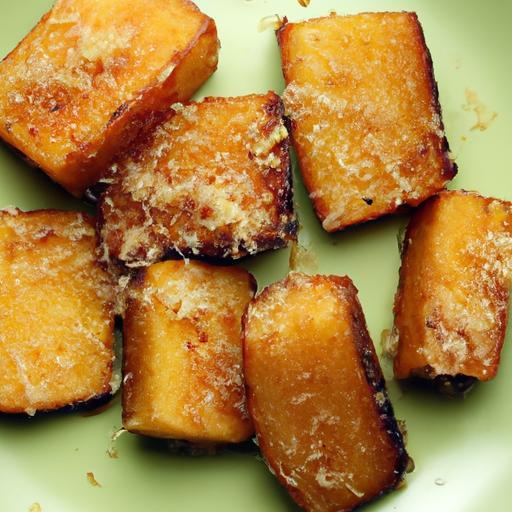
Image: A close-up shot of golden toasted cassava flour mixed with fresh parsley and toasted cashews, showcasing the crunchy texture that defines Farofa.
Learn more about cassava’s role in global cuisines and how its unique properties influence traditional foods like this toasted treasure.
Q&A
Q&A: Farofa Uncovered – Brazil’s Flavorful Toasted Cassava treat
Q1: What exactly is farofa?
A1: Farofa is a beloved Brazilian side dish made primarily of toasted cassava (also known as manioc or yuca) flour. It’s a crunchy, golden, and slightly nutty-flavored accompaniment that adds texture and depth to a wide range of Brazilian meals.
Q2: How is farofa traditionally prepared?
A2: Traditionally,farofa is toasted slowly in a pan with butter or oil until it’s golden and fragrant. It often includes savory additions like onions, garlic, herbs, and spices.Some regional versions add ingredients like chopped nuts, dried fruits, or even vegetables to create unique flavor profiles.
Q3: Why is cassava flour used in farofa, and what makes it special?
A3: Cassava flour comes from the root of the cassava plant, a staple crop in Brazil and much of South America. Its naturally mild taste and grainy texture make it ideal for toasting, resulting in a crispy, slightly crunchy base that enhances dishes with an earthy, comforting note.
Q4: What dishes is farofa commonly served with?
A4: Farofa is incredibly versatile.It’s frequently enough paired with smoky grilled vegetables,hearty beans and rice,tender stews,or fresh seafood. The dish acts as both a seasoning and a way to add texture, making meals more satisfying and layered in flavor.
Q5: Are there vegetarian or vegan variations of farofa?
A5: Absolutely! Farofa lends itself well to plant-based interpretations. Instead of butter,you can toast cassava flour in olive oil or coconut oil. Mixing in sautéed mushrooms, roasted peppers, or chopped nuts can create rich, flavorful vegan-friendly versions without losing any of farofa’s signature crunch.Q6: What cultural significance does farofa have in Brazil?
A6: Farofa holds a deep cultural place in Brazilian cuisine. It’s often present at family gatherings,festive meals,and barbecues,embodying warmth and togetherness. This humble dish reflects the country’s agricultural heritage and diverse culinary traditions,celebrating the native cassava root as a foundation of Brazilian sustenance.
Q7: Can farofa be easily made at home?
A7: Yes! Farofa is simple to prepare and requires just a handful of ingredients and a bit of patience while toasting the cassava flour slowly. Its ease of preparation makes it a great starter for anyone curious about Brazilian flavors and eager to add a crispy, toasty twist to everyday dishes.
Q8: How does farofa differ from other toasted flours or grains around the world?
A8: While many cultures use toasted grains or flours, farofa is unique as of cassava’s distinctive texture and flavor. unlike wheat or corn-based dishes, cassava flour toasts into light, coarse granules with a naturally earthy sweetness, offering a crunchy, rustic quality that’s hard to replicate.
Q9: Can farofa be eaten on its own, or is it always a side?
A9: Although farofa is traditionally a side, its flavor and texture make it an excellent snack on its own-a bit like toasted nuts or flavored breadcrumbs. Some people enjoy it sprinkled over salads, soups, or even with tropical fruit, showcasing its adaptability beyond conventional uses.
Q10: What’s the best way to store farofa to keep it fresh and crunchy?
A10: To maintain its signature crunch, farofa should be stored in an airtight container at room temperature, away from moisture and heat. Properly stored, it can stay fresh for several weeks, ready to bring a burst of Brazilian flavor and texture to your meals whenever you desire.
In Retrospect
As the final grains of toasted cassava settle on the palate, farofa reveals itself not just as a humble side dish but as a vibrant thread woven into the rich tapestry of brazilian cuisine. Its golden crunch carries stories of indigenous roots, regional variations, and culinary creativity that span the vast landscapes of Brazil. Whether sprinkled atop feijoada, embraced by street food favorites, or enjoyed as a simple snack, farofa invites us to savor more than just flavor-it invites us to taste a culture, one toasted bite at a time.So next time you indulge in this crispy delight, remember: farofa is more than a dish; it’s a flavorful celebration of brazil itself.