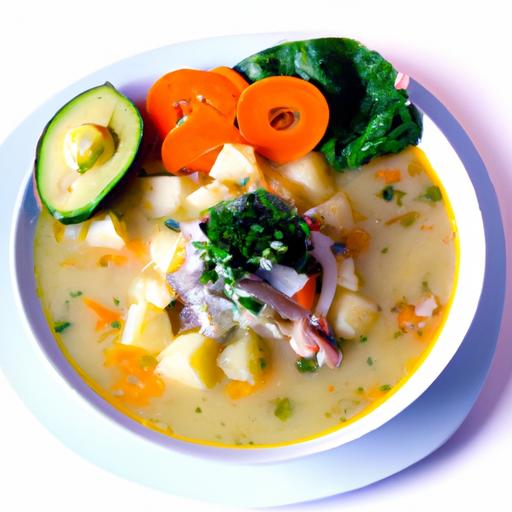

Every year, as the air turns crisp and families gather around the table, Ecuador comes alive with the rich aromas and vibrant colors of Fanesca-a beloved conventional stew that tells a story of heritage, faith, and community. This iconic dish, brimming with a symphony of grains, beans, fresh vegetables, and salted fish, is far more than just a meal; itS a celebration of Ecuador’s cultural tapestry and seasonal bounty. In this article, we invite you to embark on a culinary journey to savor the authentic Fanesca feast, uncovering its history, significance, and an irresistible recipe that brings this treasured Ecuadorian tradition straight to your kitchen.
Fanesca Feast stands as an iconic Ecuadorian culinary tradition, offering a rich tapestry of flavors and symbolism deeply intertwined with the country’s cultural and religious heritage. This hearty soup, typically enjoyed during Holy Week, unites communities around the dinner table, embodying both sustenance and spirituality in every spoonful.
Origins and Cultural Significance of the Fanesca Feast
The roots of this celebration trace back to Ecuador’s pre-Columbian and colonial epochs, when indigenous and Spanish customs blended seamlessly. Fanesca Feast serves not only as a festive dish but as a reflection of Ecuador’s agricultural bounty and Christian traditions, commemorating the passion of Christ during Easter. Families gather to prepare the soup using carefully chosen ingredients that represent the twelve apostles,each element carrying a sacred meaning. This communal practice fosters unity, honoring ancestors and cultural identity while sharing an unforgettable culinary experience.
Key Ingredients and Their Symbolic Meanings in Fanesca
Every ingredient in Fanesca Feast holds a story. The diverse grains and legumes symbolize the apostles,earth’s fertility,and life’s abundance. Here’s a glimpse into the symbolism:
- Butter beans (Lima beans): Represent faith and perseverance.
- Choclo (fresh corn): Embodies warmth and sustenance.
- Green peas: Signify hope and renewal.
- Pumpkin: Reflects the harvest and community.
- Squash and zapallo: Stand for resilience and prosperity.
- Dried grains such as barley and rice: Denote patience and longevity.
- Fish (often bacalao or dried saltfish): Symbolizes the sacrifice and miracles.
- Milk and cheese: Bring richness, linking to protection and nurturing.
Step-by-Step Guide to Preparing an Authentic Ecuadorian Fanesca Feast
Dive into this traditional recipe with confidence and care. With patience and love, your pot will brim with Ecuadorian heritage.
Prep and cook Time
- Planning Time: 1 hour 30 minutes
- Cooking Time: 2 hours
Yield
Serves 8 generous portions
Difficulty Level
Advanced – this dish requires patience and attention to detail to bring out the complex layers of flavor.
Ingredients
- 1 cup dried butter beans,soaked overnight
- 1 cup dried green peas,soaked overnight
- 1 cup fresh corn kernels (choclo)
- 1 cup peeled and diced pumpkin (zapallo)
- ½ cup dried barley,rinsed
- ½ cup rice,rinsed
- 1 large onion,finely chopped
- 4 cloves garlic,minced
- 2 tablespoons vegetable oil
- 8 cups chicken or vegetable broth
- 1 cup evaporated milk
- 1 cup grated queso fresco or farmer’s cheese
- 12 ounces dried salted codfish (bacalao),soaked 24 hours,water changed several times,then rinsed and shredded
- 2 hard-boiled eggs,sliced (for garnish)
- Fresh cilantro and green onions,chopped (for garnish)
- Salt and black pepper to taste
Instructions
- Prepare your legumes: drain soaked butter beans and green peas. In a large pot,cover with fresh water and cook separately until tender but firm,about 40-50 minutes. Drain and set aside.
- Sauté the base: In a heavy-bottomed pot, heat vegetable oil over medium heat. sauté onions and garlic until translucent and fragrant, about 5 minutes.
- Add pumpkin and barley: Stir in diced pumpkin and rinsed barley, cooking for 3 more minutes to absorb flavors.
- Simmer the broth: Pour in the chicken or vegetable broth. Bring the mixture to a boil, then reduce heat and simmer for 30 minutes until pumpkin and barley soften.
- Add corn, rice, and peas: Stir in fresh corn kernels, rice, cooked peas, and butter beans carefully to keep the texture intact.
- Incorporate the bacalao: Add the shredded salted codfish and continue to simmer gently for 20 minutes, ensuring all elements marry perfectly.
- Finish with milk and cheese: Slowly whisk in evaporated milk and grated queso fresco. Adjust salt and pepper to taste. Cook an additional 10 minutes on low heat, stirring constantly to avoid curdling.
- Serve and garnish: Ladle hot soup into bowls, and adorn each serving with slices of hard-boiled egg, chopped cilantro, and green onions for a burst of color and freshness.
Tips for Serving and Pairing Fanesca to Enhance the Experience
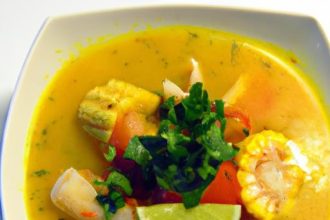
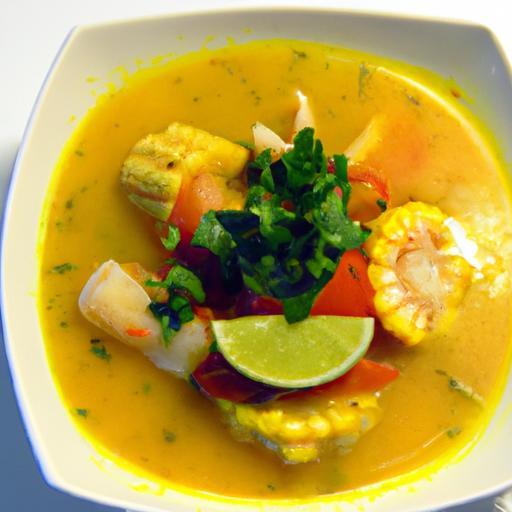
The sensory delight of Fanesca Feast unfolds fully when thoughtfully plated. Present it in deep, rustic bowls that highlight its inviting golden-orange hue speckled with the colorful ingredients within. A sprinkle of fresh herbs adds brightness and contrast.
Traditionally, Ecuadorians pair fanesca with empanadas de viento – crispy cheese turnovers - to complement the soup’s creamy texture with a crunchy bite. For beverages, opt for fresh fruit juices like naranjilla or chicha de jora, which cut through the richness beautifully and honour Ecuadorian flavors.
Leftovers taste even better the next day, making it perfect for sharing or planning ahead during festive celebrations.
Chef’s Notes
- Legume substitutions: If butter beans or green peas are not available, lima beans and split peas offer excellent alternatives.
- Non-fish option: For a pescatarian twist,omit bacalao and add smoked salmon or grilled trout flakes toward the end of cooking.
- Make ahead: The soup base and legumes can be prepared a day in advance; reheat gently and finish with milk and cheese before serving.
- Texture balancing: Avoid overcooking grains to keep a pleasant bite; stirring frequently prevents sticking or burning.
| Nutrient | Per Serving |
|---|---|
| Calories | 395 kcal |
| Protein | 28 g |
| Carbohydrates | 45 g |
| Fat | 8 g |

For further culinary inspiration, explore our traditional Ecuadorian recipes collection. To learn more about the rich history behind salted codfish in Latin American cuisine, visit Encyclopedia Britannica.
Q&A
Q&A: Fanesca Feast – Authentic Ecuadorian Recipe to Savor
Q1: What is Fanesca and why is it notable in ecuadorian culture?
A1: Fanesca is a rich, hearty soup traditionally prepared and savored during Holy week in Ecuador. It embodies a blend of indigenous ingredients and colonial influences, symbolizing unity, gratitude, and spiritual reflection.Each ingredient tells a story about Ecuador’s diverse agricultural bounty and cultural heritage.
Q2: What are the key ingredients that make Fanesca unique?
A2: Fanesca is celebrated for its incredible mix of fresh grains and legumes-such as corn,fava beans,lentils,and peas-combined with a creamy base made from fresh milk and cheese.Seasonal vegetables and aromatic herbs like pumpkin, green onions, and achiote add vibrant color and depth to this traditional dish.
Q3: How is the preparation of Fanesca traditionally approached?
A3: Preparing Fanesca is a labor of love that frequently enough involves family gatherings. Each grain and legume is cooked separately to perfection before being combined. The creamy broth is slowly simmered to marry the flavors, topped off with fresh herbs and sometimes hard-boiled eggs, offering a comforting and nourishing experience that highlights patience and care.
Q4: Are there any symbolic meanings behind the ingredients in Fanesca?
A4: absolutely! Many of the ingredients in Fanesca represent biblical stories and indigenous traditions. Such as,the twelve different grains and legumes are said to symbolize the twelve apostles,while the milk represents purity. This interplay of symbolism and flavor adds a profound dimension to each spoonful.
Q5: Can I make Fanesca if I’m new to Ecuadorian cooking?
A5: Definitely. While the recipe may seem intricate due to the variety of ingredients, following a step-by-step guide helps demystify the process. With some preparation and patience, newcomers can create an authentic and delicious Fanesca, experiencing firsthand this beloved Ecuadorian tradition.
Q6: What vegetarian or seafood options pair well with Fanesca?
A6: Given Fanesca’s hearty nature, light and fresh options like avocado slices, steamed vegetables, or a crisp salad complement it beautifully. Some families enjoy adding salted fish or dried cod,which adds a subtle savory layer without overpowering the soup’s complex flavors.
Q7: How can I celebrate the Fanesca Feast beyond just cooking?
A7: Fanesca is more than a dish; it’s a celebration of community and heritage. Hosting a shared meal,inviting friends and family,sharing stories about its origins,and reflecting on its symbolism enrich the experience. Music, dance, or traditional Ecuadorian decorations can further transform your gathering into a heartfelt cultural celebration.
Q8: where can I find the authentic ingredients needed for Fanesca?
A8: Many latin American markets carry the essential grains, legumes, and herbal spices. Specialty grocery stores or online retailers might also offer the specific types of corn and local cheeses used. Fresh, high-quality ingredients make a noticeable difference, so seeking out authentic sources enhances the final dish.
Q9: What makes Fanesca such a beloved dish throughout ecuador?
A9: Fanesca’s blend of flavors, textures, and cultural significance creates a culinary tapestry that resonates deeply with Ecuadorians. it’s a dish that carries history, spirituality, and family traditions in every bowl, making it more than just food-it’s an experience that feeds both body and soul.
Future Outlook
As the rich aromas of beans, corn, and salted fish fill your kitchen, preparing Fanesca becomes more than just a cooking experience-it transforms into a heartfelt celebration of Ecuador’s vibrant heritage and community spirit. This beloved feast, steeped in tradition and bursting with flavor, invites you to slow down, gather loved ones, and savor each spoonful as a connection to a culture that honors both the land and its stories. Whether you’re a seasoned cook or a curious food adventurer, embracing the Fanesca feast is an invitation to taste Ecuador’s soul, one hearty bowl at a time. So, roll up your sleeves, dive into this authentic recipe, and let the warmth of Fanesca nourish not just your body, but your spirit as well.