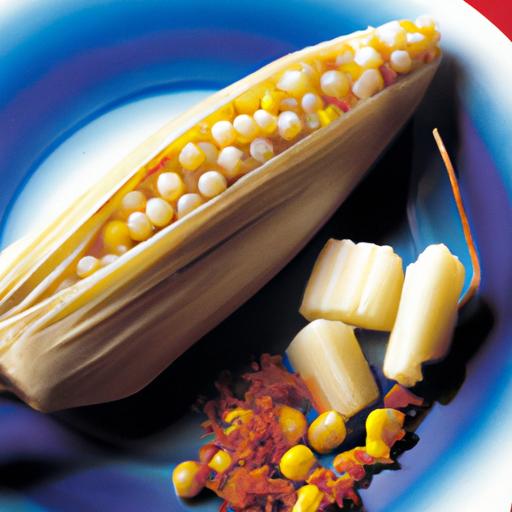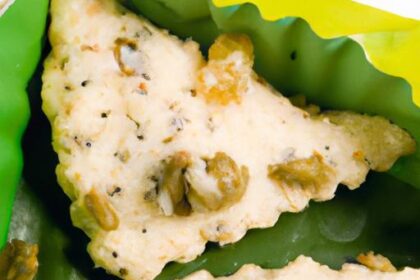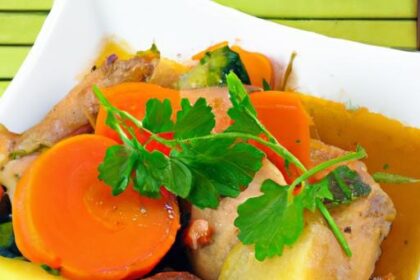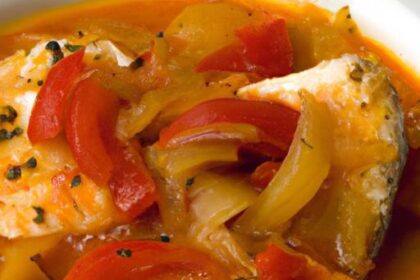

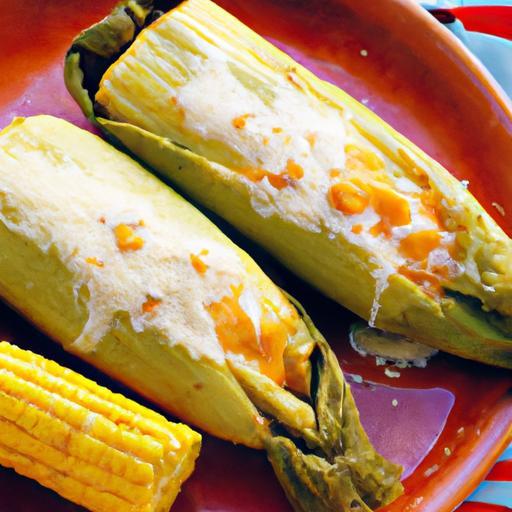
Nestled within the vibrant culinary tapestry of Latin America lies a humble yet flavorful treasure: Humita en Chala. This traditional dish, wrapped delicately in corn husks and infused with the natural sweetness of fresh corn, offers more than just a meal-it’s a journey into the heart of indigenous cooking heritage.As centuries-old recipes pass from one generation to the next,Humita en Chala continues to captivate food lovers with its comforting texture and rich,wholesome flavors. Join us as we peel back the layers of this time-honored delight, exploring its origins, preparation, and enduring significance across Latin cultures.
The Origins and Cultural Significance of Humita en Chala
Discovering Humita en Chala introduces us to a cherished culinary treasure deeply rooted in indigenous traditions across the Andean regions of Latin America. This humble yet vibrant dish showcases the essence of Native American ingenuity-transforming fresh, sweet corn into a softly steamed delight wrapped in its own husks. Originating from pre-Columbian times, humita embodies agricultural reverence, communal sharing, and festive festivity.Passed down thru generations, it’s more than food; it’s a living memory of the earth’s bounty, typically prepared during harvest seasons, family gatherings, and cultural festivals. Each bite of Humita en Chala tells the story of nourishing simplicity and a deep connection to the land, making it a culinary symbol cherished from Argentina and Chile to Peru and Ecuador.
Prep and Cook Time
- Preparation Time: 25 minutes
- Cooking Time: 45 minutes
- Total Time: 1 hour 10 minutes
Yield
Serves 6 generous portions
Difficulty Level
Medium – approachable for cooks pleasant with traditional techniques such as husk wrapping and steaming
Ingredients That Bring Humita en Chala to Life
- 8 fresh corn ears, husks reserved and soaked in warm water
- 2 cups fresh corn kernels (cut from the ears)
- 1 medium onion, finely chopped
- 2 tablespoons unsalted butter
- 1/2 cup fresh basil leaves, chopped
- 1 cup fresh farmer’s cheese (or ricotta for a creamy alternative)
- 2 tablespoons sugar
- 1/2 cup whole milk
- Salt and black pepper, to taste
- 1 teaspoon ground cumin
- Optional: 1 fresh chili, deseeded and minced (for a gentle warmth)
Step-by-Step Guide to Making Authentic Humita en Chala
- Prepare the husks: Carefully peel back the corn husks from the ears without detaching them entirely. Remove all silk strands. Soak the husks in warm water for 30 minutes to soften and make them pliable.
- Make the filling: In a blender or food processor, pulse the fresh corn kernels until you reach a coarse, slightly chunky texture. This maintains the natural bite of the corn.
- Sauté the aromatics: Heat butter in a skillet over medium heat. Add finely chopped onion and sauté until translucent and fragrant, about 5 minutes. If using chili, add it now for a subtle heat.
- Mix filling ingredients: in a mixing bowl, combine the pulsed corn, sautéed onions, chopped basil, farmer’s cheese, sugar, milk, cumin, salt, and pepper. Stir gently until just combined-avoid overmixing to keep the corn texture intact.
- Assemble the humitas: take 2 soaked husks and overlap them to create a sturdy wrapper. Spoon about 1/3 cup of filling onto the narrow end of the husk. Fold the sides over the filling, then fold the bottom upward, forming a neat parcel. Tie securely with corn silk strands or kitchen twine.
- Steam the humitas: Place wrapped corn parcels upright in a steamer basket over boiling water. Cover and steam for 40-45 minutes, until the filling is set and fragrant. Avoid overcooking to retain their creamy texture.
- Rest and serve: Remove from the steamer and let humitas rest for 5 minutes before unwrapping, allowing the flavors to settle.
Tips for Success
- Choose the freshest corn: The recipe’s vibrant flavour depends on sweet, plump kernels. If fresh corn is unavailable, frozen kernels can substitute but should be thawed and drained.
- Make ahead: Humitas can be wrapped ahead of time and refrigerated overnight.Steam them fresh before serving for optimal texture.
- Adjust sweetness: Depending on your corn’s natural sweetness, modulate the sugar quantity or omit it for a savory variation.
- Alternate cheeses: Queso fresco or panela are traditional alternatives for a lighter,crumble-like texture.
- Spice it gently: Adding chili is optional but recommended for an authentic depth of flavor beloved in Andean regions.
Where to Savor the Best Humita en Chala Across Latin America
Humita en Chala weaves through Latin America’s culinary tapestry, with each region infusing local nuances. In Argentina’s northwestern provinces like Jujuy and Salta, this dish frequently enough incorporates fresh herbs and is paired with rustic bread. Chileans favor a softer cheese that melts warmly inside,while Peruvians add a hint of aji amarillo (yellow pepper) for brightness.
For a genuine taste, exploring traditional markets or home-style eateries in thes areas offers the best experiance.Bolivia’s highland regions also craft humitas with a slight twist-often served alongside hearty stews. You can learn more about these regional variations and Latin American corn dishes in our in-depth article on Latin American Corn Delicacies.
For cultural context and ancient background on humita and its Andean roots, the Encyclopaedia Britannica provides an excellent authoritative resource.
Serving Suggestions
- Serve Humita en Chala hot, directly unwrapped from the husk for a rustic presentation.
- Garnish with fresh basil leaves or a sprinkle of smoked paprika for a color contrast.
- Accompany with a light green salad dressed with lime and olive oil, or a simple tomato salsa that lifts the richness.
- Offer a side of creamy avocado slices or a dollop of tangy sour cream to enhance the corn’s sweetness.
| Nutrient | Per Serving |
|---|---|
| Calories | 220 kcal |
| Protein | 7 g |
| Carbohydrates | 30 g |
| Fat | 7 g |

Q&A
Q&A: Discovering Humita en Chala – A Traditional Latin Delight
Q1: What is Humita en Chala?
A1: humita en Chala is a traditional Latin American dish made from fresh corn, typically ground or grated, mixed with aromatic herbs, spices, and sometimes cheese, then wrapped in corn husks (chala) and steamed or boiled.It’s a celebration of corn’s natural sweetness and a cherished culinary gem throughout countries like Argentina, Chile, peru, and Ecuador.
Q2: Where does Humita en Chala originate?
A2: Humita en Chala traces its roots back to indigenous cultures of the andes mountains in South America. Corn has been a staple crop for thousands of years, and the recipe reflects the ingenuity of native peoples who crafted nourishing, portable meals from what was abundant in their environment.
Q3: What makes Humita en Chala unique compared to other corn dishes?
A3: Unlike cornbread or tamales, Humita en Chala highlights the fresh, subtly sweet flavor of pure corn, frequently enough without heavy doughs or complicated fillings. the use of corn husks for wrapping not only imparts a subtle earthy aroma but also creates a beautiful presentation-a natural package that steams the filling gently and evenly.
Q4: What ingredients are commonly used in Humita en Chala?
A4: The foundation is fresh corn kernels, often freshly grated or ground to maintain a creamy, slightly chunky texture. To this base, cooks add sautéed onions, fresh herbs like basil or parsley, and spices such as cumin or paprika. Some versions include creamy cheeses like fresh ricotta or queso fresco for a luscious finish, though the dish also shines on its own without cheese.
Q5: How is Humita en Chala traditionally prepared?
A5: The preparation involves mixing the fresh corn with sautéed onions and seasonings, sometimes enriched with dairy. This mixture is spooned onto individual corn husks, which are then folded and tied securely before being steamed or boiled until firm but tender. The result is a delicately steamed corn cake bursting with fresh flavors and a silky texture.
Q6: When is Humita en Chala typically enjoyed?
A6: Humita en Chala is often enjoyed during harvest festivals or family gatherings, especially in summer and early fall when corn is at its peak. It serves as both a hearty snack and a comforting side dish, bringing a nostalgic touch to celebrations and everyday meals alike.
Q7: Are there variations of humita en Chala across Latin America?
A7: absolutely! While the core ingredients remain consistent, regional twists include the addition of chili peppers in some Chilean recipes for a hint of heat, or the use of distinct local herbs and cheeses in Peru and Ecuador.Each variation reflects the rich cultural tapestry and local produce of the region, making humita a truly versatile dish.
Q8: Can Humita en Chala be made vegan or dairy-free?
A8: Yes! to make vegan or dairy-free humita, simply omit any cheese or dairy products and rely on the natural creaminess of fresh corn and sautéed vegetables. Some cooks enhance richness with plant-based milks or nut-based creams, ensuring the dish remains luscious and satisfying without animal products.
Q9: How can someone experience Humita en Chala if thay don’t live in Latin America?
A9: Fresh corn is key, so seek out good-quality corn during local harvest seasons or from farmers’ markets.While fresh corn husks may be trickier to find outside Latin America, many specialty grocery stores carry them, or you can substitute with parchment paper as a last resort. Trying your hand at making humita en chala at home can be a joyful way to connect with Latin American culinary traditions.
Q10: Why is Humita en Chala crucial culturally?
A10: Humita en Chala isn’t just food-it’s a symbol of tradition, community, and the deep connection between people and the land.Sharing humita is an act of preserving heritage, celebrating harvests, and honoring indigenous roots through a dish that has nourished generations across centuries.
Wrapping Up
As the fragrant steam rises from a freshly unwrapped humita en chala, it carries with it more than just the sweet aroma of corn and spices-it carries the stories, traditions, and heart of Latin America.This humble dish, wrapped lovingly in corn husks, invites us not only to taste its rich flavors but to connect with generations of culinary heritage.Whether savored in a bustling market or recreated in your own kitchen, humita en chala stands as a delicious reminder that food is a bridge between past and present, culture and community. So next time you seek a bite of tradition, let humita en chala be your flavorful guide to the vibrant soul of Latin cuisine.