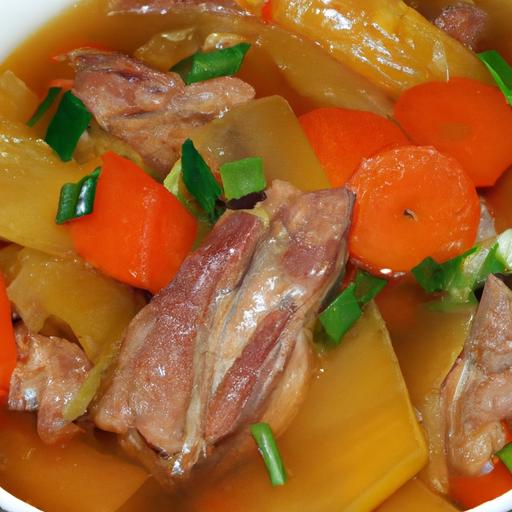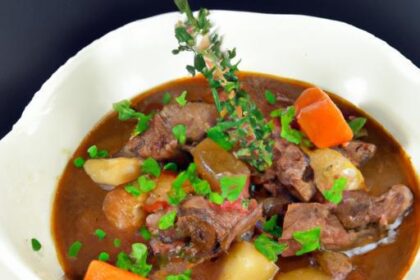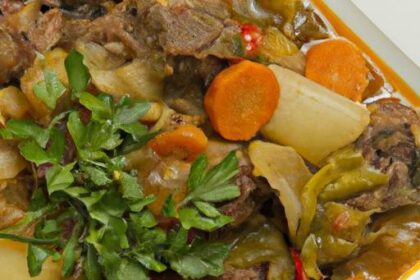



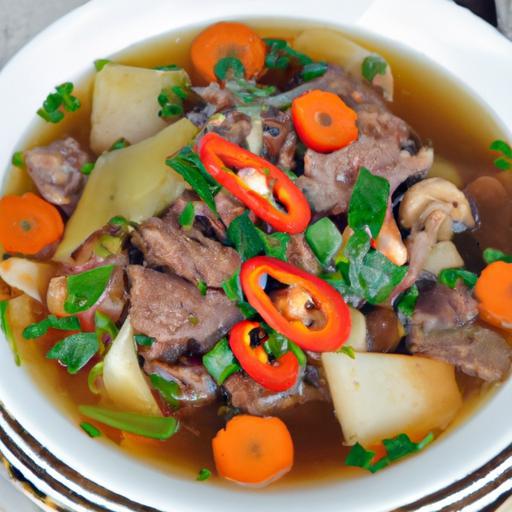
Imagine a bowl brimming with tender chunks of beef, fragrant spices, and a rich, aromatic broth that warms both body and soul-welcome too the world of Bò Kho, vietnam’s beloved hearty beef stew. More than just a meal, Bò Kho is a culinary journey that captures the vibrant essence of Vietnamese cooking, blending bold flavors with comforting textures. Whether enjoyed as a fragrant noodle soup or savored with crusty baguettes,this dish invites food lovers to explore the layers of history,culture,and taste that make Bò kho a true national treasure. Join us as we dive deep into the origins, ingredients, and irresistible charm of Vietnam’s signature stew.
The Rich History Behind Bò Kho and Its Cultural Significance
Discovering Bò Kho: Vietnam’s hearty Beef Stew Delight begins with understanding its deep-rooted history and cultural resonance. Originally influenced by the French colonial presence in vietnam, this luscious stew marries aromatic spices with tender beef, creating a truly iconic dish beloved across the country.Traditionally enjoyed as a breakfast dish or a comforting evening meal, Bò Kho represents resilience and warmth, often shared during family gatherings or festive celebrations.
The vibrant orange-red hue of the broth, scented with star anise and lemongrass, signals the careful balance of flavors that have been refined over generations. As much as it is food, Bò Kho is a cultural bridge – a culinary tribute to the fusion of East and West, adapting local ingredients to colonial inspirations while preserving its distinctly Vietnamese soul.
Key Ingredients That Make Bò Kho Irresistibly Flavorful
the secret to discovering Bò Kho: Vietnam’s Hearty Beef Stew Delight lies not onyl in technique but also in the thoughtful selection of ingredients that create layers of complexity and warmth. highlighted by beef chuck for tenderness, the dish is enriched with a heady blend of spices such as star anise, cinnamon stick, and cardamom. Fresh lemongrass and ginger lend shining, aromatic notes, while tomato paste and carrots add color and subtle sweetness. The inclusion of fish sauce gives a salty umami punch that grounds the stew profoundly in Vietnamese culinary tradition.Unlike typical Western stews, Bò Kho balances fragrant, savory, and slightly sweet flavors, making each spoonful irresistibly rich and satisfying.
Prep and Cook Time
- Preparation Time: 30 minutes
- marinating Time: 1 hour (optional but recommended)
- Cooking Time: 2 to 2.5 hours
Yield
Serves 6 hearty portions
Difficulty Level
Medium – Ideal for home cooks ready to explore Vietnamese flavors with confidence
Ingredients
- 2 lbs beef chuck, cut into 1.5-inch cubes
- 3 tbsp vegetable oil
- 1 large onion, thinly sliced
- 4 cloves garlic, minced
- 1 thumb-sized ginger, sliced
- 2 stalks lemongrass, smashed and trimmed
- 2 large carrots, peeled and cut into chunks
- 2 tbsp tomato paste
- 6 cups beef broth
- 2 star anise pods
- 1 cinnamon stick
- 3 green cardamom pods
- 2 tbsp fish sauce
- 1 tbsp sugar
- Salt and freshly ground black pepper, to taste
- Fresh Thai basil and cilantro, for garnish
- Optional: crusty baguette or steamed jasmine rice, for serving
Step-by-Step Guide to Crafting the Perfect Bò Kho at Home
- Marinate the beef: In a large bowl, combine the beef cubes with 1 tablespoon fish sauce, 1 teaspoon sugar, and a pinch of black pepper. Let it rest for at least 1 hour in the refrigerator to infuse flavors deeply.
- Prepare the aromatics: Heat vegetable oil in a heavy-bottomed pot over medium heat. Sauté the onions until translucent, about 5 minutes. Add garlic and ginger, cooking for another 2 minutes until fragrant.
- Add the beef: Increase heat to medium-high and add the marinated beef cubes. Brown the meat evenly on all sides,stirring frequently to avoid sticking,about 7-8 minutes.
- Build the base: Stir in the tomato paste and cook for 3 minutes until it darkens slightly, enhancing depth.
- Introduce spices and broth: Toss in star anise, cinnamon stick, cardamom pods, and smashed lemongrass stalks. Pour beef broth gradually, scraping the pot’s bottom to capture all flavors. Stir in remaining fish sauce and sugar.
- Simmer gently: Bring stew to a boil, then reduce to a low simmer. Cover partially and cook for 1.5 to 2 hours, or until beef is tender and the broth rich. Add carrots during the last 30 minutes of cooking to maintain their texture.
- Final seasoning: Taste and adjust salt, pepper, or fish sauce as needed. Remove lemongrass and spice pods before serving.
- Serve with flair: Ladle hot Bò Kho into bowls, garnish with fresh Thai basil and cilantro. Pair with a crisp baguette or steamed jasmine rice to soak up every drop of the flavorful sauce.
Chef’s Notes and Tips for Success
- For tender beef, avoid rushing the simmering process. Low and slow is key to developing flavor and texture.
- If you prefer a thicker stew, uncover the pot during the last 20 minutes to reduce the liquid.
- Substitute beef broth with homemade vegetable stock for a lighter variant without compromising richness.
- Make a large batch and refrigerate overnight; flavors deepen beautifully the next day.
- For a touch of heat, add sliced fresh chili or a dash of Vietnamese chili oil at the end.
Serving Suggestions
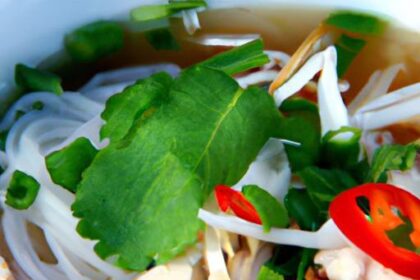
Bò Kho shines when served piping hot, inviting all senses to the table. Traditionally, it pairs spectacularly with a fresh, crispy French-style baguette-perfect for dipping and scooping. Alternatively, serve alongside steamed jasmine rice or creamy rice noodles for a more filling meal. Garnish liberally with aromatic Thai basil,vibrant cilantro,and thin slices of fresh red chili for color and spice. A squeeze of lime or a side of pickled vegetables provides a balancing acidity that lifts the rich, savory broth beautifully.

| Nutrient | Per Serving |
|---|---|
| Calories | 380 kcal |
| Protein | 35 g |
| Carbohydrates | 15 g |
| Fat | 18 g |
Explore more vietnamese classics in our Classic Vietnamese Soups Collection to complement your culinary journey with Bò Kho. For an authoritative resource on Vietnamese cuisine’s heritage and diversity, visit SBS Food’s Essential Guide to Vietnamese Cuisine.
Q&A
Q&A: Discovering Bò Kho – Vietnam’s Hearty Beef Stew Delight
Q1: What exactly is Bò Kho?
A1: Bò Kho is a fragrant and comforting Vietnamese beef stew that perfectly balances tender chunks of beef,aromatic spices,and a rich,savory broth. It’s a beloved dish across Vietnam, frequently enough enjoyed as a hearty breakfast or a satisfying dinner that warms both heart and soul.
Q2: What gives Bò Kho its distinctive flavor?
A2: The magic of Bò Kho lies in its blend of fragrant spices such as star anise, cinnamon, lemongrass, and ginger, combined with slow-braised beef that soaks up every note. The stew is gently simmered with tomato and a touch of fish sauce,layering sweetness,umami,and a hint of tanginess that makes it unforgettable.
Q3: What cuts of beef are best for making Bò Kho?
A3: Cuts with some marbling and connective tissue - such as beef chuck or brisket – are ideal. these tougher cuts become meltingly tender during the slow cooking process, releasing rich flavors into the stew and ensuring a satisfying, silky texture.
Q4: How is Bò Kho traditionally served?
A4: Traditionally, Bò Kho is served piping hot with a side of fresh French baguette for dipping into the luscious broth. It’s also often enjoyed with steamed rice, rice noodles, or even a warm bowl of vermicelli, making it versatile and adaptable to your cravings.
Q5: Are vegetables included in Bò Kho?
A5: Yes! Carrots are the classic vegetable companion in Bò Kho, adding a natural sweetness and vibrant color that contrasts beautifully with the savory beef. Sometimes, daikon radish is also added for a subtle earthiness and extra texture.
Q6: Can Bò Kho be made ahead and reheated?
A6: Absolutely! Like many stews, Bò Kho tastes even better the next day after the flavors have had time to meld. Simply reheat gently on the stove, and the beef will be just as tender and the broth even more flavorful.
Q7: Is Bò Kho spicy?
A7: The conventional Bò Kho strikes a balanced medium-mildly spiced from the aromatic herbs and spices, but not overly hot. However, it’s common for diners to add fresh chili slices or a splash of chili sauce according to their own heat preference.
Q8: What makes Bò Kho distinct from other beef stews around the world?
A8: Unlike Western beef stews that often rely heavily on heavy herbs and thick gravies, Bò Kho’s allure is its fragrant, clear broth infused with Southeast asian spices, a slightly tangy undertone from tomato, and a vibrant freshness from herbs like Thai basil or cilantro served alongside.This creates a stew that’s both hearty and bright, comforting yet lively.
Q9: Is Bò Kho suitable for home cooks new to Vietnamese cuisine?
A9: Definitely! While the bouquet of spices may seem exotic at first, Bò Kho is quite straightforward to prepare. With simple ingredients readily found in many markets and a forgiving slow-simmering method, it’s an excellent dish for adventurous home cooks eager to explore Vietnamese flavors.
Q10: What side dishes or garnishes pair best with Bò Kho?
A10: Fresh herbs like cilantro and Thai basil add a lovely herbal brightness. Thinly sliced onions, lime wedges, and fresh chili bring contrast and zing. For a refreshing touch, many enjoy pickled vegetables on the side, balancing the stew’s rich warmth with crisp acidity.
Bò Kho isn’t just a stew-it’s a culinary journey through Vietnam’s aromatic spice markets and bustling street corners, served in a bowl that invites you to slow down and savor every comforting bite. Whether you’re dipping crusty bread or spooning over noodles, Bò Kho promises a hearty, soul-soothing experience.
Future Outlook
As the rich aroma of Bò Kho lingers in your memory,it becomes clear that this hearty Vietnamese beef stew is more than just a meal-it’s a vibrant tapestry of flavors and history simmered to perfection. Whether enjoyed at a bustling street stall or recreated in your own kitchen, Bò Kho invites you to savor the warmth and complexity of Vietnam’s culinary heritage. So, next time you seek comfort on a plate, let this beloved stew guide you on a tasty journey through the heart of Vietnam’s soul.