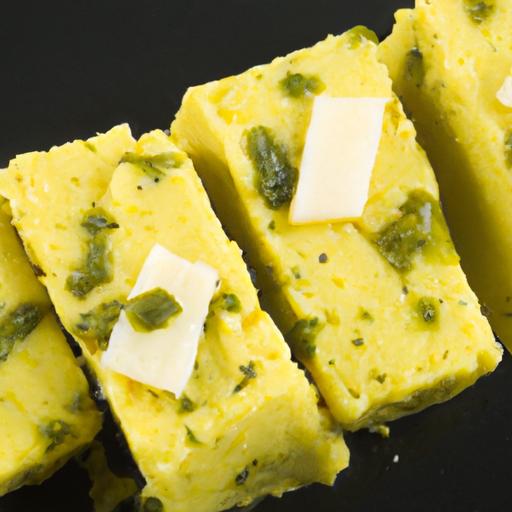

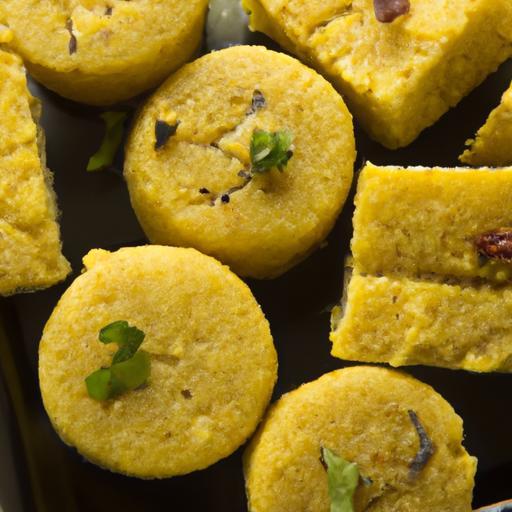
In the vibrant tapestry of Indian cuisine, few dishes capture the essence of tradition and innovation quite like dhokla. soft, spongy, and subtly tangy, this steamed snack from Gujarat is more than just a culinary delight-it’s a cultural emblem steeped in history and flavor. “Dhokla Delights: Unraveling Gujarat’s Steamed Snack Secret” invites you on a journey into the heart of this beloved dish, exploring its origins, the art of its planning, and the reasons behind its enduring popularity. Whether enjoyed as a breakfast treat, an evening snack, or a festive centerpiece, dhokla offers a engaging glimpse into Gujarat’s rich gastronomic heritage, where simplicity meets sophistication in every bite.
Dhokla Delights begin with mastering a light, airy, and slightly tangy texture that defines this quintessential Gujarati snack. originating from Gujarat’s vibrant kitchens,dhokla’s charm lies not only in its delicate crumb but in its harmonious balance of sourness from fermentation and subtle savory spices that dance on the palate.
Prep and Cook Time
- Preparation: 15 minutes
- Fermentation (optional but recommended for tanginess): 6-8 hours
- Cooking: 20-25 minutes
- Total Time: Approximately 7 hours (including fermentation)
Yield
Serves 6 as a light snack or appetizer
Difficulty Level
Easy to Medium – Perfect for home cooks seeking to explore regional Indian flavors with minimal fuss.
Ingredients
- 1 cup gram flour (besan), sifted
- 1/4 cup semolina (rava), fine
- 3/4 cup plain yogurt, whisked smooth
- 1 tsp ginger-green chili paste
- 1 tbsp lemon juice
- 1 tsp ENO fruit salt or baking soda
- 1 tbsp sugar
- 1 tsp salt (adjust to taste)
- 3/4 cup water
- For tempering:
- 1 tbsp oil
- 1 tsp mustard seeds
- 1 dried red chili, broken
- 10-12 fresh curry leaves
- 2 tbsp chopped fresh coriander leaves
- 2 tbsp grated fresh coconut (optional garnish)
Instructions
- Prepare the batter: In a large mixing bowl, combine gram flour, semolina, sugar, and salt. Add whisked yogurt, water, and ginger-green chili paste. Mix thoroughly to form a smooth batter free of lumps.
- Ferment the batter: Cover the bowl and let it rest in a warm spot for 6 to 8 hours or overnight. This step develops a subtle tang crucial to authentic dhokla flavor but can be skipped for an instant version.
- Just before steaming, add the lemon juice and sprinkle the ENO fruit salt or baking soda evenly atop the batter. Fold gently but quickly to incorporate, encouraging immediate bubbling and aeration for a fluffy texture.
- Steam the dhokla: Pour the batter into a greased 8-inch round cake tin or shallow steaming vessel. Place it carefully in a preheated steamer and steam over medium heat for 20 to 25 minutes. Insert a toothpick to check; it should come out clean when done.
- Prepare tempering: While steaming, heat oil in a small pan until shimmering. Add mustard seeds and let them pop,then add dried red chili and curry leaves. Sauté for 30 seconds until fragrant, then remove from heat.
- Add tempering and garnish: Once steamed, allow dhokla to cool slightly. gently lift it from the pan. Pour tempering evenly over the surface to infuse a nutty aroma. Sprinkle with fresh coriander and grated coconut for a vibrant finish.
- Serve: Cut into squares or diamond shapes and serve warm with a side of tangy green chutney or sweet tamarind chutney.
Tips for Success: Mastering the texture and Flavor of Dhokla Delights
- Fermentation is key. Even a brief resting period allows beneficial bacteria to activate, improving complexity and softness.
- Use fresh gram flour. Old or stale besan tends to yield a bitter, dense result. Sifting is essential to avoid lumps.
- For regional twists, try adding finely grated bottle gourd (doodhi) for moisture or a handful of finely chopped green peas for texture variations inspired by Kathiawadi styles.
- temperature and steaming time matter. Low to medium heat ensures even cooking and avoids the dreaded wet or sticky center.
- Don’t skip tempering. The sizzling mustard seeds and curry leaves create a fragrant crust that makes every bite memorable.
- Instant vs. fermented: For a quicker version, substitute yogurt and fermentation with 1 teaspoon baking powder but expect slightly less depth in flavor.
- Make ahead: Cooked dhokla can be refrigerated for 2 days and reheated by steaming for a few minutes without drying out the softness.
Serving Suggestions to Elevate Your dhokla Experience
Dhokla Delights are best enjoyed lush and warm. Accompany your steaming soft squares with freshly made coriander-mint chutney or sweet and tangy tamarind chutney for an irresistible melody of flavors. Garnish generously with fresh coriander leaves and grated coconut for added texture and color. For a party, arrange pieces on a platter with a sprinkling of freshly roasted sesame seeds and finely chopped green chilies on top to elevate the visual appeal and complexity.
| Nutrient | Per Serving |
|---|---|
| Calories | 150 kcal |
| Protein | 6 g |
| Carbohydrates | 20 g |
| Fat | 5 g |
To deepen your exploration of Indian snacks, check our besan-based recipes collection. For nutritional insights about gram flour,visit the NutritionValue.org profile of gram flour.

Q&A
Q&A: Dhokla Delights – Unraveling Gujarat’s Steamed Snack Secret
Q1: What exactly is dhokla, and why is it so beloved in Gujarati cuisine?
A1: Dhokla is a light, fluffy, and mildly tangy steamed cake originating from Gujarat, crafted primarily from fermented chickpea (gram) flour or a combination of rice and lentils. Its unique texture and burst of flavors make it an iconic snack,beloved not just for its taste but for its wholesome,easily digestible nature. Whether enjoyed at breakfast, tea-time, or as a festive treat, dhokla embodies the heart of Gujarati culinary simplicity and innovation.
Q2: how did dhokla become a signature dish of Gujarat?
A2: The origins of dhokla trace back to the age-old tradition of fermenting lentils and grains, a method that increases nutritional value and digestibility. gujarati households perfected this steamed snack over generations,adapting recipes and techniques to suit local tastes and ingredients. Its portability, ease of preparation, and delightful taste helped dhokla become a staple not just within Gujarat but throughout India’s snack culture.
Q3: What ingredients give dhokla its signature taste and texture?
A3: The magic lies in the fermentation process combined with a simple ingredient list: gram flour (besan), yogurt or sour buttermilk for tang, a pinch of turmeric for color, and a leavening agent such as eno fruit salt or baking soda for fluffiness. Once bathed in a tempering of mustard seeds, curry leaves, green chilies, and coriander, it awakens the senses with subtle spice and depth, paired beautifully with fresh grated coconut or sweet chutneys.
Q4: Can you describe the conventional process of making dhokla?
A4: Absolutely! The journey begins with mixing gram flour with water, yogurt, and spices, then allowing it to ferment briefly to develop a gentle tang. To this batter, a raising agent is added before steaming it in a covered vessel, resulting in a spongy, airy cake. After steaming, it is cut into squares and tempered with a sizzling tadka (tempering) of mustard seeds and green chilies, then garnished with fresh coriander and sometimes grated coconut. The steaming ensures a moist, fluffy texture that is both light and satisfying.
Q5: Are there different varieties of dhokla?
A5: Yes, dhokla comes in fascinating variations! From Khaman Dhokla, which is softer and sweeter, to Rava Dhokla, made with semolina for a slightly grainier texture, each type carries its unique charm. Some regional twists incorporate ingredients like spinach (palak dhokla) or bottle gourd (lauki dhokla), adding vegetables into the mix for color, nutrition, and variety. The base principle of steaming remains constant, preserving the essence of this beloved snack.
Q6: What makes dhokla a healthier snack option compared to fried foods?
A6: Dhokla leads the pack as a guilt-free indulgence as it’s steamed rather than fried, eliminating excess oil and calories. The fermentation process not only enhances flavor but boosts digestion and improves nutrient absorption. Packed with protein and fiber from chickpeas and lentils, dhokla is a nourishing snack that energizes without weighing you down-perfect for those mindful of health without compromising on taste.
Q7: How is dhokla traditionally served and enjoyed?
A7: Traditionally,dhokla is plated with a drizzle of sweet tamarind chutney and accompanied by tangy green chutney made from coriander and mint. Often, it’s garnished with freshly grated coconut and a sprinkle of chopped coriander leaves, creating a tapestry of flavors and textures. Whether savored with a cup of masala chai or shared during celebrations and gatherings, dhokla epitomizes warmth and conviviality.
Q8: Can dhokla be adapted for modern palates or dietary preferences?
A8: Definitely! While classic dhokla stays true to its roots, many chefs and home cooks experiment with gluten-free flours, add superfoods like millet or quinoa, and twist spices to cater to global tastes and dietary needs. Vegan versions use plant-based yogurt or souring agents like lemon juice. This adaptability has helped dhokla travel beyond Gujarat, capturing hearts worldwide with each innovative bite.
Q9: what tips would you give to someone attempting dhokla for the first time?
A9: Patience is key-ensure the batter is well-mixed and allow adequate fermentation time for developing flavor. Use fresh ingredients and don’t skimp on the tempering: the sizzling mustard seeds and chilies add a signature aroma and kick. Steaming time is crucial to achieve the perfect airy structure; test with a toothpick to confirm doneness. And most importantly,enjoy the process-dhokla is as much about culinary joy as it is about tradition.
Embark on your dhokla journey with an open mind and palate, and discover why this humble steamed delight has captured the hearts-and taste buds-of so many across centuries.
To Wrap It Up
As the last bite of dhokla melts away, we find ourselves savoring more than just a snack-it’s a delicious glimpse into Gujarat’s vibrant culinary heritage.This steamed marvel, with its delicate texture and subtle tang, is a testament to the region’s artistry in transforming simple ingredients into soulful delights. whether enjoyed as a humble street food or a festive treat, dhokla invites us to appreciate the magic of traditional cooking methods that have stood the test of time. So next time you seek a bite that’s light yet flavorful, remember the secret behind gujarat’s beloved dhokla-a gentle steam that carries stories, culture, and centuries of love in every fluffy bite.