

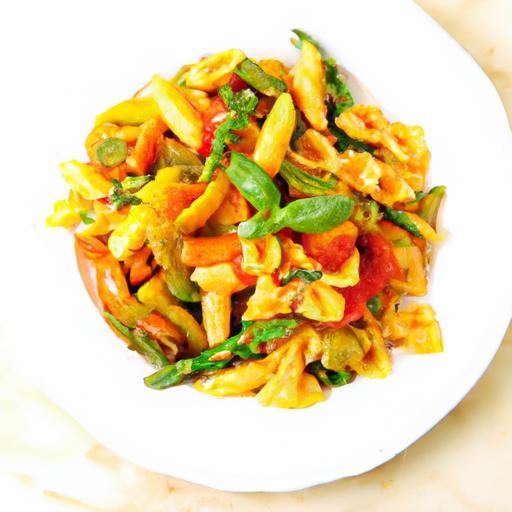
There’s something undeniably magical about a dish that captures the essence of spring on a plate-vibrant colors, fresh flavors, and a light, inviting charm. Pasta primavera does just that, transforming simple ingredients into a celebration of nature’s bounty. Whether you’re a seasoned cook or a kitchen novice, our ”Brighten Your Table: Appetizing Pasta Primavera Recipe Guide” will lead you through the art of creating this timeless, vegetable-packed pasta dish that’s as pleasing to the eye as it is to the palate. Get ready to infuse your meals with sunshine, crunch, and the wholesome goodness of garden-fresh produce, all twirled together in a symphony of taste.
Brighten Your Table: Delicious Pasta Primavera Recipe Guide
Brighten your table with a vibrant and fresh pasta primavera that celebrates the bounty of seasonal vegetables, capturing their vivid colors and radiant flavors in every bite. Rooted in Italian-American cuisine, this dish was designed to showcase spring’s finest produce tossed with perfectly cooked pasta and a light, zesty sauce that awakens your palate. This recipe guide will walk you through selecting the freshest vegetables, mastering the ideal pasta texture, crafting a complementary sauce, and presenting your creation with irresistible flair.
Prep and Cook Time
- Readiness: 20 minutes
- Cooking: 15 minutes
- Total: 35 minutes
Yield
Serves 4 generous portions
Difficulty Level
easy to Medium – great for home cooks eager to impress with fresh, colorful dishes.
Ingredients
- 12 oz fusilli or penne pasta
- 1 cup cherry tomatoes, halved
- 1 medium zucchini, thinly sliced into half-moons
- 1 cup fresh asparagus tips, trimmed and cut into 1-inch pieces
- 1 medium yellow bell pepper, julienned
- 1 cup fresh peas (or thawed if frozen)
- 3 cloves garlic, minced
- 2 tbsp extra virgin olive oil
- 1 tbsp freshly grated lemon zest
- 3 tbsp freshly squeezed lemon juice
- ¼ cup chopped fresh basil leaves
- ¼ cup grated Parmesan or Pecorino cheese (optional)
- Salt and freshly ground black pepper, to taste
- Red pepper flakes, optional for a subtle kick
Instructions
- Prepare the pasta: Bring a large pot of salted water to a boil. Cook the pasta according to package instructions until al dente, typically 1-2 minutes less than full cooking time.Stir occasionally to prevent sticking. Reserve ½ cup of pasta water, then drain and set aside.
- Choose and prep fresh vegetables: Select crisp, brightly colored vegetables for the best texture and flavor. Rinse thoroughly. Cutting vegetables uniformly ensures even cooking and a beautiful presentation.
- Sauté aromatics and vegetables: Heat olive oil in a large skillet over medium heat. Add minced garlic and sauté until fragrant, about 1 minute. Add zucchini, bell pepper, and asparagus tips. Cook, stirring often, until tender-crisp, about 5 minutes. Toss in peas and cherry tomatoes last, cooking an additional 2 minutes to retain vibrant colors.
- Make the light, zesty sauce: Turn heat to low and stir in lemon zest, lemon juice, and half of the chopped basil. Add reserved pasta water a little at a time to loosen the sauce if needed,achieving a silky coat on each piece of pasta.
- Combine pasta and vegetables: Add the drained pasta directly to the skillet with the sautéed vegetables and sauce. Gently toss to combine, coating the pasta evenly. Season generously with salt, pepper, and optional red pepper flakes to taste.
- Finish with cheese and basil: Remove from heat and sprinkle the dish with grated Parmesan or Pecorino cheese if desired. Garnish with remaining fresh basil leaves for an aromatic and colorful finish.
Tips for Success
- Selecting vegetables: Look for firm, brightly colored produce with no blemishes. Seasonal veggies at a local farmer’s market will truly brighten your table with freshness.
- Pasta texture mastery: Cooking pasta al dente ensures it holds up beautifully when mixed with veggies and sauce, preventing mushiness.
- Adjust sauce consistency: Use reserved pasta water gradually; its starchiness perfectly emulsifies the sauce without weighing it down.
- Make-ahead: Vegetables can be prepped a day in advance. To maintain freshness, store cut veggies separately in airtight containers.
- Variations: For a heartier twist, add sautéed mushrooms or artichoke hearts. For a vegan version,omit cheese or substitute with nutritional yeast.
Serving Suggestions
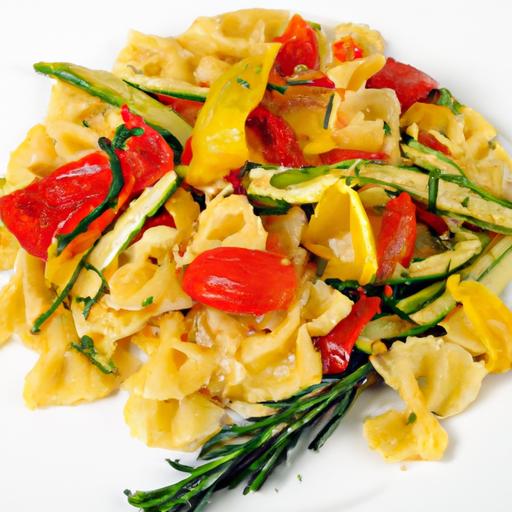
Plate your pasta primavera in shallow wide bowls to showcase the colorful medley of vegetables. Drizzle a few drops of extra virgin olive oil and scatter a few fresh basil leaves on top for a fresh, green contrast.A light dusting of grated cheese or lemon zest on each serving adds visual appeal and an inviting aroma. serve warm alongside a crisp green salad and toasted artisan bread for a complete, satisfying meal.

| Nutrition Facts (per serving) | Amount |
|---|---|
| Calories | 350 kcal |
| Protein | 12 g |
| Carbohydrates | 50 g |
| Fat | 9 g |
For further inspiration, check out our variety of vegetable-forward pasta dishes that bring out the best in fresh ingredients. To understand the nutritional benefits of your fresh vegetables,visit the USDA ChooseMyPlate Vegetables page.
Q&A
Q&A: Brighten Your Table with a Delicious Pasta Primavera Recipe
Q1: what exactly is Pasta Primavera?
A: Pasta Primavera is a vibrant, vegetable-forward Italian-American dish that celebrates the fresh flavors of spring and summer. It typically features pasta tossed with a colorful medley of lightly sautéed or roasted vegetables, fresh herbs, and a bright, often lemony sauce. It’s a celebration of freshness and simplicity on a plate!
Q2: Which vegetables work best in Pasta primavera?
A: The best veggies are those that bring both colour and crunch. Think sweet cherry tomatoes, crisp asparagus tips, tender zucchini ribbons, bell peppers, peas, and even lightly caramelized carrots. The goal is to highlight seasonal veggies that retain a bit of their bite and freshness.
Q3: Can Pasta Primavera be made ahead of time?
A: While you can prepare the veggies and even cook the pasta in advance, it’s best to toss everything together right before serving. This ensures the pasta remains perfectly al dente and the vegetables stay crisp and vibrant,keeping the dish fresh and lively.
Q4: What pasta shape pairs well with Primavera?
A: Long, slender pasta shapes like linguine, fettuccine, or spaghetti beautifully cradle the garden-fresh veggies.Alternatively, short shapes such as penne or farfalle work wonders too, offering little pockets for the sauce and veggie bits to nestle.
Q5: How can you make the sauce light yet flavorful?
A: A simple combination of extra virgin olive oil, fresh garlic, a squeeze of lemon juice or zest, and perhaps a splash of vegetable broth creates a bright, aromatic sauce.Finishing it off with fresh herbs like basil, parsley, or thyme elevates the flavors without weighing the dish down.
Q6: Is Pasta Primavera suitable for special diets?
A: Absolutely! Pasta Primavera naturally fits into vegetarian and vegan diets (just swap any cheese for plant-based alternatives). It’s also easily adaptable to gluten-free pasta varieties, making it a versatile and inclusive meal option.
Q7: Can Pasta Primavera be served warm and cold?
A: Definitely! Though traditionally served warm to showcase the sautéed veggies, Pasta Primavera also makes a delicious pasta salad when chilled. Just toss with a little more olive oil and finely chopped fresh herbs for a refreshing, light meal.
Q8: What’s a secret tip to elevate the dish?
A: Toasting nuts like pine nuts or slivered almonds and sprinkling them atop adds delightful texture and a subtle nutty aroma. Plus, a sprinkle of freshly grated Parmesan or a plant-based alternative can add a savory finishing touch, balancing the bright veggies perfectly.
Q9: Can you add protein to Pasta Primavera without detracting from its lightness?
A: Yes! Grilled chicken,sautéed shrimp,or marinated tofu can enrich the dish while maintaining its fresh profile. Just be sure to keep the additions simple and lightly seasoned so the vegetables remain the star.
Q10: What makes Pasta Primavera a perfect dish for entertaining?
A: Its colorful presentation, ease of preparation, and global appeal make it an inviting centerpiece for any gathering. It’s a dish that embodies freshness, health, and indulgence all at onc-brightening the table and the mood!
Insights and Conclusions
As you gather the vibrant colors and fresh flavors of your pasta primavera, remember that this dish is more than just a meal-it’s a celebration of spring’s bounty on your plate. Whether you’re inviting friends for a casual dinner or simply treating yourself to a burst of freshness, this recipe guide equips you to brighten any table with ease and elegance. So, roll up your sleeves, embrace the garden-fresh ingredients, and let your pasta primavera become the star of your next culinary adventure. Here’s to savoring every colorful, delicious bite!