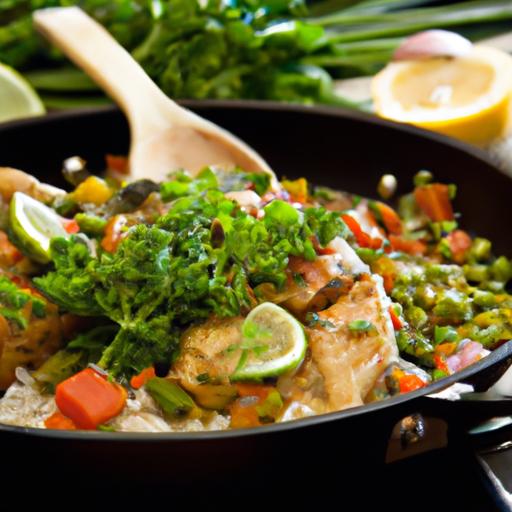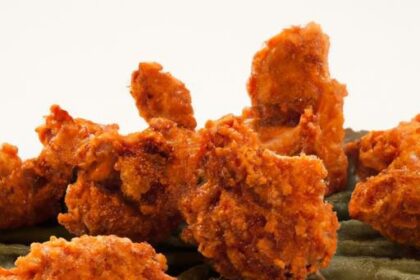


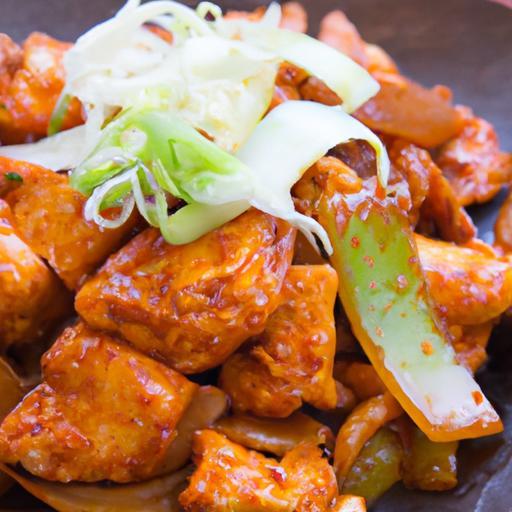
Emerging from the bustling street markets and cozy eateries of South Korea, Dak Galbi stands as a vibrant party of bold flavors and communal dining. This spicy stir-fried chicken dish, sizzling with gochujang’s fiery kick and a medley of fresh vegetables, offers more than just a meal-it invites you into a story of tradition, regional pride, and shared experience. In this exploration of dak Galbi Delight, we delve into the origins, ingredients, and cultural importance of one of Korea’s most beloved comfort foods, unraveling the secrets behind its mouthwatering allure and enduring popularity. Whether you’re a seasoned foodie or a curious newcomer, get ready to ignite your palate with the irresistible charm of Korea’s spicy stir-fried chicken.
origins and Cultural Significance of Dak Galbi in Korean Cuisine
Dak Galbi Delight: Exploring Korea’s Spicy Stir-Fried Chicken reveals a culinary treasure that bursts with vibrant flavors and energetic history.Originating in the 1960s from the city of Chuncheon in Gangwon Province,Dak Galbi was born out of both resourcefulness and community spirit. Street vendors combined affordable,locally available chicken with spicy gochujang-based marinades,stir-frying it on large iron pans. This dish quickly became a popular social meal, perfect for gatherings due to its bold taste and interactive cooking style. Beyond its mouthwatering profile, Dak Galbi carries cultural weight as a symbol of Korean communal dining, where sharing plates strengthens bonds over fiery, flavorful bites.
key Ingredients and Flavor Profiles that Define the Perfect Dak Galbi
Achieving the authentic dak Galbi Delight requires a precise balance of heat, sweetness, and smoky depth. The key ingredient is boneless chicken thigh, prized for its tender juiciness and ability to absorb the spicy marinade. The primary heat source is gochujang-Korean fermented chili paste-which delivers a complex umami richness layered with vibrant chili kick.Complementing this are minced garlic, grated ginger, and Korean chili flakes (gochugaru) for nuanced spice and aroma. Sweetness from corn syrup or honey rounds out the flavor, alongside soy sauce for savoriness and sesame oil for toasty warmth.
Vegetables like sweet potatoes, cabbage, and scallions not only add texture but absorb the sauce, creating a harmonious flavor medley. The final touch of sesame seeds sprinkled on top enhances the dish’s nutty aroma and presentation.
Prep and Cook Time
- Preparation: 20 minutes
- Cooking: 15 minutes
- Total Time: 35 minutes
Yield
Serves 4 hungry diners comfortably, perfect for sharing.
Difficulty Level
Medium – approachable for confident home cooks looking to explore Korean flavors.
Ingredients
- 1 lb boneless chicken thighs,cut into bite-sized pieces
- 3 tbsp gochujang (Korean chili paste)
- 1 tbsp gochugaru (Korean chili flakes)
- 1 tbsp soy sauce
- 1 tbsp honey or corn syrup
- 3 cloves garlic,minced
- 1 tsp fresh ginger,grated
- 1 tbsp sesame oil
- 2 cups cabbage,chopped
- 1 medium sweet potato,sliced thinly
- 4 scallions,cut into 2-inch pieces
- 1 tablespoon vegetable oil (for stir-frying)
- 1 tablespoon toasted sesame seeds (for garnish)
- Cooked steamed rice,for serving
Step-by-Step Guide to Crafting Authentic Spicy Stir-Fried Chicken at Home
- Prepare the marinade: In a large bowl,combine gochujang,gochugaru,soy sauce,honey,minced garlic,grated ginger,and sesame oil. Stir until smooth and well blended.
- Marinate the chicken: Add the bite-sized chicken thighs into the marinade, tossing thoroughly to coat every piece. Cover and refrigerate for at least 15 minutes to penetrate the flavors.
- Heat the pan: Preheat a large non-stick or cast iron skillet over medium-high heat. Add vegetable oil and swirl to coat evenly.
- Cook the chicken: Place the marinated chicken pieces onto the pan, spreading them out to avoid overcrowding. Sauté until the edges begin to caramelize and turn golden brown, about 5 minutes, stirring occasionally to prevent sticking.
- Add vegetables: Toss in the sliced sweet potatoes, chopped cabbage, and scallions. Stir-fry together, allowing the vegetables to soften and imbibe the spicy sauce, roughly 7-8 minutes. The sweet potatoes should become tender but not mushy.
- Final toss: Continue stirring until the sauce thickens slightly and clings to the chicken and veggies. Taste and adjust with a pinch of salt or additional honey if you prefer mellow sweetness.
- Serve hot: Transfer to a serving plate, sprinkle generously with toasted sesame seeds, and enjoy alongside steaming bowls of steamed rice.
Chef’s Notes: Tips for Success
- Marinating: While 15 minutes is sufficient, marinate the chicken for up to 2 hours for deeper flavor infusion.
- Heat management: Maintain medium-high heat to get a slight char on the chicken pieces without burning the gochujang sauce.
- Vegetable variations: Feel free to swap or add crunchy vegetables like sliced onions, bell peppers, or perilla leaves for added layers of texture.
- Spice level: Adjust gochugaru quantity or add a dash of Korean chili oil to dial up or down heat according to your preference.
- Make-ahead: The marinated chicken can be stored overnight; just keep vegetables seperate and add fresh before cooking.
Serving Suggestions
Present your Dak Galbi Delight steaming on a wide pan or rustic platter. Accompany with steamed white rice or lettuce wraps to balance the heat and texture. Finish with a sprinkle of toasted sesame seeds and finely sliced scallions for a pop of color. A small dish of pickled radish provides a tangy crunch that perfectly contrasts the spicy richness. Pair with a light Korean-style cold barley tea or sparkling water to refresh the palate.
Top Restaurants and Hidden gems to Experience Dak Galbi in Korea
For those eager to taste [Dak Galbi Delight](https://www.maangchi.com/recipe/dakgalbi) in its homeland, Chuncheon is the ultimate destination, home to famed eateries like “yoogane” and “Myeongdong Dakgalbi.” Explore alleyways and local markets to uncover hidden gems where recipes are guarded family secrets. Many restaurants serve it sizzling right at your table on conventional iron grills, a feast for all senses. For visitors to Seoul,districts like Hongdae and Sinchon offer vibrant Dak Galbi spots providing both classic and modern spins on the dish.

| Nutrient | Per Serving |
|---|---|
| Calories | 380 kcal |
| protein | 38 g |
| Carbohydrates | 22 g |
| Fat | 12 g |
For further inspiration on Korean cuisine, check out our guide to classic Korean stews for perfect pairings with this spicy delight.
Q&A
Q&A: Dak Galbi Delight – Exploring Korea’s Spicy Stir-Fried Chicken
Q1: What exactly is Dak Galbi?
A1: Dak Galbi (닭갈비) is a vibrant Korean dish centered around tender, bite-sized pieces of chicken stir-fried with a bold, spicy gochujang (Korean red chili paste) sauce. Its traditionally cooked on a large iron griddle alongside an assortment of fresh vegetables like cabbage,sweet potatoes,and green onions,creating a sizzling spectacle of flavors and colors.
Q2: Where did Dak Galbi originate?
A2: Dak Galbi hails from the city of Chuncheon in South Korea, famed for its innovative street food culture. Originally a modest dish designed to be affordable and hearty, it has blossomed into a national favorite, celebrated in restaurants from bustling city streets to cozy neighborhood eateries.
Q3: What makes the sauce for Dak Galbi so special?
A3: The magic of Dak Galbi lies in its sauce-a fiery blend of gochujang, garlic, ginger, soy sauce, and a touch of sweetness, frequently enough from honey or sugar. This combination delivers a perfect harmony of spicy, savory, and slightly sweet notes that cling to the chicken and veggies, ensuring every bite bursts with flavor.
Q4: Can Dak Galbi be made with any other ingredients besides chicken?
A4: While chicken is the star of the show, Dak Galbi’s flexible recipe allows for an exciting medley of vegetables such as carrots, onions, perilla leaves, and rice cakes (tteokbokki). Some restaurants add cheese or boiled eggs to add layers of texture and flavor, enhancing the overall experience.
Q5: How is Dak Galbi traditionally eaten?
A5: Dak Galbi is often enjoyed communally, cooked right at the table on a large, flat grill. Diners can gather around, watching the spicy sauce bubble and mix with the tender chicken and crisp veggies. It’s common to wrap the cooked Dak Galbi in fresh lettuce leaves, sometimes adding a dab of ssamjang (fermented soybean paste) or a slice of garlic, creating a refreshing, mouthwatering bite.
Q6: Is Dak Galbi very spicy?
A6: Dak Galbi is known for its signature kick, thanks to gochujang, but the heat level can be tailored according to taste. Most versions balance the spice beautifully with a hint of sweetness and umami, making it accessible even to those who don’t usually enjoy intensely spicy food.
Q7: How do you prepare Dak galbi at home?
A7: Preparing Dak Galbi at home is surprisingly simple! Marinate chicken pieces in a mixture of gochujang, soy sauce, garlic, ginger, and a little sugar. Then stir-fry them in a hot pan with your choice of vegetables until everything is cooked through and perfectly caramelized. Finish off with a sprinkle of sesame seeds and chopped green onions for that authentic Korean touch.
Q8: What accompaniments go well with Dak Galbi?
A8: Dak Galbi pairs wonderfully with a bowl of steamed white rice, which helps balance its intensity. Popular Korean side dishes like kimchi, pickled radishes, or a cool cucumber salad add freshness and crunch. Some diners also enjoy finishing the meal by mixing the remaining sauce with cooked rice and vegetables on the grill-a final, flavorful ritual called “bokkeumbap.”
Q9: Why has Dak Galbi become so popular internationally?
A9: Dak Galbi’s rise on the global food scene is driven by its appealing combination of bold flavors, interactive cooking style, and communal dining experience.It offers a taste of Korean culture that’s both exciting for the palate and heartwarming in its social tradition-a spicy celebration that invites everyone to gather ’round and enjoy.
Q10: What should first-timers know before trying Dak Galbi?
A10: First-timers should come prepared with an appetite and an adventurous spirit! Embrace the lively mix of textures and spice, don’t hesitate to use the lettuce wraps to cool down the heat, and enjoy the shared experience. Dak Galbi is as much about connection and fun as it is indeed about flavor-so savor every sizzling bite!
The Conclusion
From the fiery sizzle of the pan to the vibrant mix of flavors that dance on your palate,Dak Galbi is more than just a dish-it’s a savory celebration of Korea’s rich culinary spirit. Whether you’re a spice lover seeking that perfect kick or a curious foodie eager to explore authentic Korean street food, this spicy stir-fried chicken offers a delicious gateway into the heart of korean cuisine. So next time you crave something bold and unforgettable, let Dak galbi delight your senses and ignite your passion for flavors that are as dynamic and colorful as Korea itself.