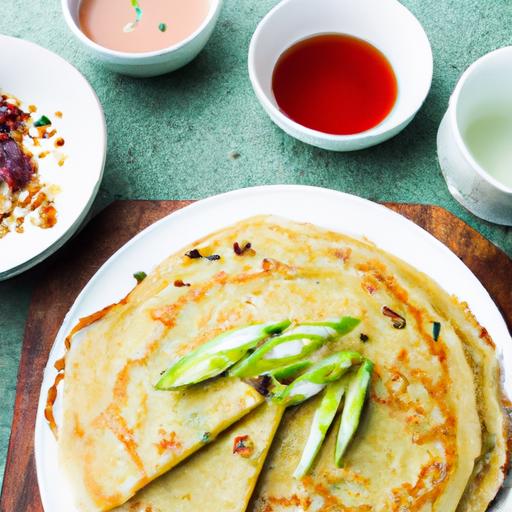

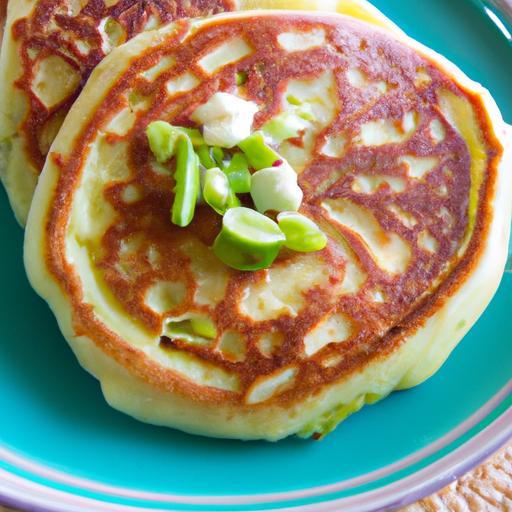
There’s something irresistibly satisfying about biting into a golden, flaky scallion pancake-a perfect harmony of crispy layers and savory green onion whispers that has enchanted taste buds for centuries. Beyond its simple, humble appearance, the scallion pancake is a culinary masterpiece steeped in history and tradition, embodying the ingenuity of Chinese street food culture.In this article, we’ll unravel the art and history behind this crispy delight, exploring how a few humble ingredients transform thru skillful technique into a snack beloved across generations and continents. Join us as we dive into the story behind the layers and the secrets that turn dough and scallions into a crispy emblem of flavor and heritage.
Origins and Evolution of Scallion Pancakes in asian Cuisine
Crispy delight begins not just in the kitchen, but deep within the rich tapestry of Asian culinary history. Scallion pancakes, or cong you bing, have enchanted taste buds across generations with their golden, flaky layers and irresistible savory aroma. Originating centuries ago in China’s northern provinces,these flatbreads were traditionally a humble street snack,crafted from simple ingredients-flour,water,and scallions-but elevated through skillful technique into a textural masterpiece.
As trade routes expanded and cultures mingled, scallion pancakes journeyed beyond borders, adapting to the unique flavors and cooking styles of neighboring regions like Taiwan, Korea, and Vietnam. Each locale brings its own twist,whether it’s the addition of sesame oil that perfumes the dough or creative fillings that complement the scallions’ sharpness. This culinary evolution underscores the pancake’s versatility and enduring appeal.
Prep and Cook Time
- Readiness: 25 minutes
- Resting time for dough: 1 hour
- Cooking: 15 minutes
- Total: 1 hour 40 minutes
Yield
Makes 6 medium-sized pancakes, serving 3 to 4 people as an appetizer or side.
Difficulty Level
Medium - requires some dough handling skill and attention to frying.
Ingredients
- 2 cups all-purpose flour,sifted
- 3/4 cup boiling water
- 1/4 cup cold water
- 4 tablespoons vegetable oil (plus extra for frying)
- 1 bunch scallions (green onions),finely sliced
- 1 teaspoon kosher salt
- 1 teaspoon toasted sesame oil
- Freshly ground black pepper,to taste
Instructions
- Make the dough: In a large mixing bowl,combine the sifted flour with boiling water. Stir gently using chopsticks or a wooden spoon until a shaggy dough forms. Slowly add cold water while mixing to bring the dough together.
- Knead until smooth: Turn the dough onto a lightly floured surface. Knead vigorously for 8-10 minutes until smooth and elastic. Cover with a damp cloth and let rest for 1 hour to relax the gluten-this step is crucial for achieving the perfect chewy texture.
- Prepare the filling: Mix the sliced scallions with salt, pepper, and toasted sesame oil in a small bowl.
- Divide and roll out: Cut the rested dough into 6 equal portions. Roll each ball into a thin circle about 7 inches in diameter.
- Add oil and scallions: Brush a thin, even layer of vegetable oil on the dough circle. Sprinkle a generous amount of the scallion mixture evenly across the surface.
- Form layered pancakes: Roll the dough circle into a tight spiral, sealing the edges slightly. Flatten the coil gently with your palm, then roll again into a roughly 6-inch disc.
- Cook the pancakes: Heat 2 tablespoons of vegetable oil in a non-stick skillet over medium heat. fry each pancake for about 3 to 4 minutes per side until golden brown and crispy. Use a spatula to apply gentle pressure for even contact with the pan.
- Drain and serve: Transfer the pancakes to a wire rack or paper towel-lined plate to remove excess oil.Serve hot for the best crispy delight.
Chef’s Notes: Tips for Success
- Resting the dough: Don’t skip the hour-long rest-it softens the dough for better stretch and flakiness.
- rolling technique: Thin, even rolling ensures flaky layers. Use a light touch when shaping the layered pancakes.
- Oil choice: Neutral oils like vegetable or canola are ideal for frying due to their high smoke point.
- Making ahead: Pancakes can be par-cooked, cooled, then stored in the fridge for up to 24 hours.Reheat gently in a skillet to revive crispiness.
- Flavor variations: Add finely minced garlic or crushed red pepper flakes into the scallion mix for added depth and heat.
Serving Suggestions: Perfect Pairings for Scallion Pancakes
These golden crispy pancakes pair beautifully with pungent, tangy dips that balance their richness.Serve alongside a soy-vinegar dipping sauce-mix equal parts soy sauce and rice vinegar,laced with a touch of toasted sesame oil,minced garlic,and a sprinkle of chili flakes for zing.
For an elevated experience, garnish with toasted sesame seeds and a handful of fresh cilantro or sliced fresh chilies. Scallion pancakes complement iced green tea or light jasmine teas perfectly, refreshing the palate between bites.
Consider pairing with a side of pickled cucumbers or a light Asian cucumber salad to offset the pancakes’ oiliness with crisp acidity.

Nutritional Details
| Serving Size | Calories | Protein | Carbs | Fat |
|---|---|---|---|---|
| 1 Pancake | 180 kcal | 4g | 25g | 7g |
For more on mastering traditional Asian snacks with a modern flair, visit our Traditional Asian Snacks Collection.
Explore deep dives into Asian culinary heritage at Smithsonian Magazine.
Q&A
Q&A: crispy Delight – The Art and History of Scallion Pancakes
Q1: What exactly is a scallion pancake?
A scallion pancake, also known as cong you bing in Mandarin, is a savory Chinese flatbread recognized for its crispy, flaky layers and aromatic scallions (green onions) folded throughout. Unlike Western pancakes which are sweet and fluffy,scallion pancakes are chewy,crispy,and bursting with savory flavor,often enjoyed as a snack or a side dish.
Q2: How did scallion pancakes originate?
Scallion pancakes have a rich history dating back to ancient China, with origins traced to the Han Dynasty. This humble street food evolved from simple flatbreads enriched with scallions to a beloved comfort food throughout East Asia. Their enduring popularity lies in their simplicity, portability, and satisfying crunch.
Q3: What makes scallion pancakes crispy and flaky?
The texture is the result of a special dough-making technique. The dough is rolled out thin, brushed with oil, sprinkled with finely chopped scallions, and then twisted and flattened again into a layered circle. This creates multiple thin layers that crisp beautifully when pan-fried in oil, resulting in a delightful contrast between crispy edges and tender insides.Q4: Are scallion pancakes tough to make at home?
While the process involves a few steps-mixing dough, resting it, rolling, layering, and pan-frying-it’s very rewarding and approachable for home cooks. The key lies in working with the dough gently and ensuring a hot,well-oiled pan to achieve that perfect golden crispiness.
Q5: What ingredients are essential for authentic scallion pancakes?
the essentials are simple: all-purpose flour, water, salt, a generous amount of fresh scallions, and oil (preferably a neutral oil like vegetable or canola). The delight comes from balancing these humble ingredients into layers of savory goodness.
Q6: Can scallion pancakes be customized with other flavors?
Absolutely! while traditional scallion pancakes focus on the flavor of green onions, many cooks add sesame seeds for nuttiness or incorporate finely chopped herbs like cilantro or chives for an herbal twist. Some versions fold in a little black pepper or chili flakes for subtle heat, creating playful variations while keeping the pancake’s essence intact.
Q7: How are scallion pancakes typically served?
Scallion pancakes are often served hot and flaky, accompanied by dipping sauces such as a soy sauce-vinegar blend with a touch of chili oil or minced garlic. They work beautifully as an appetizer, street snack, or even a side to a larger meal.
Q8: What cultural importance do scallion pancakes hold?
Beyond their deliciousness, scallion pancakes symbolize resourcefulness and comfort. Historically, they were a practical way to transform simple pantry staples into a flavorful dish. Today, they represent the enduring appeal of traditional Chinese street food and the fusion of simple ingredients into layered culinary art.
Q9: Are scallion pancakes gluten-free or adaptable for special diets?
Traditional scallion pancakes use wheat flour, so they are not naturally gluten-free. However, gluten-free adaptations using rice flour or a mix of choice flours are possible, though the texture may differ slightly. Creative home cooks have also experimented with whole grain flours for a nuttier flavor and added nutrition.
Q10: what’s the best way to enjoy leftover scallion pancakes?
Leftovers can be reheated in a hot skillet to restore their crispy texture or briefly toasted in an oven. They can also be sliced into smaller pieces and added as a crunchy topping for salads or soups-adding an unexpected burst of flavor and texture.
Whether you savor them at a bustling street stall or make them fresh in your kitchen, scallion pancakes are a timeless crunchy delight-simple in ingredients, complex in technique, and deeply satisfying bite after bite.
Concluding Remarks
From humble street stalls to refined tables, the scallion pancake stands as a testament to culinary creativity and cultural heritage. its crispy layers and fragrant scallions tell a story far richer than their simple ingredients suggest-a story woven through centuries of tradition, technique, and shared enjoyment. Whether you’re biting into a freshly made pancake on a bustling city street or attempting your own in a quiet kitchen, you’re participating in an art form that has delighted taste buds across the world. So next time you savor that golden, flaky bite, remember: you’re not just enjoying a snack-you’re tasting history itself.