

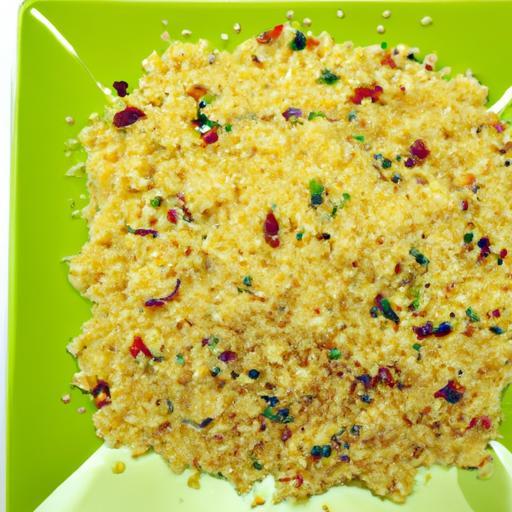
In the vast tapestry of world cuisines,few dishes carry the delicate allure and rich history quite like couscous. Beyond its simple appearance of tiny, fluffy grains lies a story steeped in tradition, culture, and culinary artistry. “Couscous Uncovered: A Delicious Journey Through Fluffy Grains” invites you to wander through ancient kitchens and modern tables alike, exploring how this modest staple has become a beloved cornerstone from North Africa to global gastronomy. Prepare to discover not just a food, but a party of texture, flavor, and heritage – all packed into each light, airy bite.
Origins and Cultural Significance of Couscous across the Mediterranean
Couscous Uncovered: A Delicious Journey Through Fluffy Grains invites you to travel through centuries of Mediterranean culinary heritage. couscous, a staple beloved from North Africa to the coastal regions of Southern Europe, is much more than simple steamed semolina; it is a symbol of hospitality, community, and tradition.Originating with the Berber people of Morocco, Algeria, and Tunisia, this grain has become woven into countless family celebrations and everyday meals alike.
Historically, couscous was crafted by hand, with skilled fingers rolling tiny granules to create the signature texture that captivates cooks and eaters today. This dish holds deep cultural resonance, often featured in festive gatherings where sharing and abundance are central themes. It blends simplicity and sophistication-easy to prepare yet infinitely versatile, transforming with the regional spices, herbs, and produce of the Mediterranean basin.
Exploring couscous’s history reveals how it bridges diverse cultures and continents, carrying stories of trade, migration, and shared culinary passion. Today,it remains a comforting and celebratory dish,cherished for its warm,fluffy texture and its ability to capture vibrant flavors.
Mastering the Art of Perfectly Fluffy Couscous every Time
Unlocking the secret to perfectly fluffy couscous begins with respecting the grain’s delicate nature. Weather you’re using conventional semolina pearls or quick-cooking instant couscous, a few expert techniques will elevate your planning to restaurant quality. The goal is individual, light grains that don’t clump or become soggy-an art form achievable with attention to hydration, steaming, and fluffing.
Prep and Cook time
- Preparation: 10 minutes
- Cooking: 15 minutes
Yield
Serves 4 generously
Difficulty Level
Easy to Medium – beginner cooks will find this method straightforward, while those seeking finesse can refine technique for perfect texture.
Ingredients
- 1½ cups fine couscous (semolina-based)
- 1¾ cups boiling water or vegetable broth
- 2 tablespoons extra virgin olive oil
- ½ teaspoon fine sea salt
- 1 tablespoon unsalted butter (optional, for added richness)
- Freshly chopped parsley or cilantro (for garnish)
Instructions
- Prepare the liquid: Boil water or vegetable broth and stir in salt and 1 tablespoon olive oil.
- Pour the hot liquid: Place couscous in a large, heatproof bowl and immediately pour the boiling mixture over it.
- Cover tightly: Use a lid or plastic wrap to seal the bowl, and let the couscous steam uninterrupted for 8 to 10 minutes. This softens the grains gently.
- Fluff carefully: Once hydrated, add the butter and the remaining olive oil. using a fork, gently rake through the grains to separate them without crushing.
- Steam optional step: For an elevated texture, transfer fluffed couscous to a steamer basket and steam over simmering water for an additional 5 minutes. This step mimics traditional couscous cooking, giving the grains extra airiness.
- Final fluff and serve: Fluff one last time, then garnish with fresh herbs and a drizzle of olive oil. Your fluffy couscous is ready to become the canvas for your meal.
Tips for Success
- For a nuttier flavor,toast dry couscous in a dry skillet for 2-3 minutes before adding the liquid.
- Use vegetable broth instead of water for enriched flavor without overpowering the couscous.
- Reserve a little hot liquid when fluffing if your couscous seems dry-it helps to gently loosen the grains.
- To make ahead, prepare the couscous up to steaming, cool it entirely, then refrigerate. re-steam or reheat with a splash of broth before serving.
- Experiment by stirring in toasted nuts, dried fruits, or spices during fluffing for a personalized dish.
Pairing Couscous with Vibrant Flavors and Hearty Ingredients
The beauty of couscous lies in its chameleon-like ability to complement an array of bold and delicate flavors. Pair it with zestful lemon and fresh herbs,or nestle it alongside rich roasted vegetables and succulent legumes to create harmonious plate compositions.The fluffy grains absorb sauces and spice blends effortlessly, making couscous a cornerstone for both simple weeknight dinners and lavish feasts.
Consider brightening couscous with sun-ripened tomatoes, crunchy pine nuts, or sweet caramelized onions. Regional dishes showcase its adaptability-from Moroccan tagines where couscous serves as a fragrant base, to Mediterranean salads bursting with cucumbers, olives, and feta. Grilled meats, tender chickpeas, and vibrant spice rubs create satisfying contrasts in texture and taste.
Innovative Couscous Recipes to Elevate your Culinary Adventures
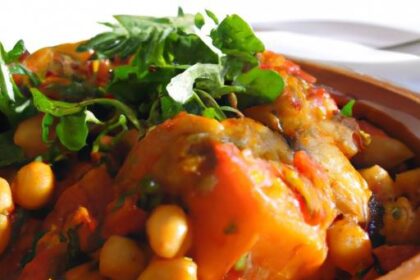
Take your couscous mastery beyond the basics with creative interpretations that intrigue the palate. Try vibrant roasted vegetable couscous with harissa-spiced chickpeas for a North African-inspired bowl. Alternatively, explore a mediterranean couscous salad with crisp cucumbers, sun-dried tomatoes, kalamata olives, and fresh mint, dressed lightly with lemon and olive oil.
For a comforting supper, transform fluffy couscous into a stuffed pepper filling enriched with toasted almonds and warming spices like cinnamon and cumin. Sweet versions, tossed with cardamom and dried apricots, can even grace brunch or dessert tables. Each variation celebrates couscous’s versatile nature and its capacity to make every dish shine.
| Nutrient | Per Serving (1 cup cooked) |
|---|---|
| Calories | 176 kcal |
| Protein | 6 grams |
| Carbohydrates | 36 grams |
| Fat | 1 gram |

For an in-depth history and more couscous inspirations, see our Mediterranean Grain Recipes Collection. To explore the cultural background of couscous further, the Encyclopedia britannica on Couscous offers a well-rounded overview.
Q&A
Q&A: Couscous Uncovered – A Delicious Journey Through Fluffy Grains
Q1: What exactly is couscous, and where does it come from?
A1: Couscous is a tiny, steamed semolina grain that has been a staple in North African cuisine for centuries. Originating from the Maghreb region-notably Morocco, Algeria, and Tunisia-couscous is both a humble grain and a cultural icon, symbolizing hospitality and shared meals among families and communities.
Q2: How is traditional couscous made, and what makes it so fluffy?
A2: Traditional couscous is crafted by rolling moistened semolina flour into tiny granules, then sifting and drying them. the magic happens when these granules are steamed multiple times over simmering water or broth. This gentle steaming hydrates and softens each grain without turning it mushy, resulting in that signature fluffy, light texture that invites every spoonful to melt in your mouth.
Q3: Can couscous be used in dishes beyond classic North African recipes?
A3: Absolutely! Couscous is incredibly versatile. It can be a vibrant base for salads, such as a refreshing medley with chopped vegetables, herbs, and citrus.It also shines when paired with roasted vegetables, grilled chicken, or spiced legumes. Its neutral flavor makes it a perfect canvas to soak up the zest of Mediterranean spices, fragrant herbs, or even bold Middle Eastern seasonings.
Q4: What are some popular spices and flavorings that complement couscous?
A4: Couscous loves to mingle with warm, aromatic spices like cumin, coriander, cinnamon, and turmeric. Fresh herbs such as parsley,mint,and cilantro bring brightness,while lemons or preserved lemons add a tangy punch. Toasted nuts like almonds or pine nuts contribute delightful texture contrasts, rounding out the dish into a harmonious experience.
Q5: How does couscous compare nutritionally to other grains?
A5: Couscous is a good source of carbohydrates, providing quick energy, while also delivering a modest amount of protein. Whole wheat couscous varieties offer more fiber and nutrients, supporting digestive health. It’s a light, easy-to-digest option that pairs well with nutrient-rich vegetables and proteins, making it both satisfying and nourishing.
Q6: Are there different types of couscous to explore?
A6: Yes, indeed! Aside from the common small-grain couscous, there’s Israeli couscous (or pearl couscous), which features larger, round granules that are toasted for a nutty flavor and chewy texture. Lebanese and Syrian versions frequently enough use larger, more buttery grains as well. Each type brings its own unique character to a dish, inviting adventurous cooks to experiment and delight in diverse textures.
Q7: What tips can definitely help someone cook perfect couscous every time?
A7: For that perfect fluffy couscous, start by hydrating it with hot, well-seasoned liquid-be it vegetable broth, stock, or simply salted water. Cover and let it steam quietly without stirring right away, allowing the grains to plump and separate naturally. Then gently fluff with a fork to aerate the grains. Avoid overcooking or adding too much water to prevent clumping or sogginess.
Q8: How can one elevate a simple couscous dish to a feast-worthy meal?
A8: Elevation lies in layering textures and flavors. Combine fluffy couscous with spiced roasted vegetables, tender slow-cooked chickpeas or lamb, a drizzle of zesty lemon-tahini sauce, or a sprinkle of toasted nuts and dried fruits like apricots or raisins. Fresh herbs at the end brighten the whole dish, transforming humble grains into a vibrant celebration of flavors and colors.
Q9: Is couscous suitable for gluten-free diets?
A9: Traditional couscous is made from semolina wheat and thus contains gluten. However, those seeking gluten-free alternatives can explore grains with similar textures, such as millet or quinoa, to achieve a couscous-like experience. Always check packaging labels carefully to ensure suitability for specific dietary needs.
Q10: In what ways does couscous bring people together beyond the kitchen?
A10: Couscous is more than food-it’s a social ritual. In many cultures, preparing and sharing couscous is a communal act, where conversation flows and bonds deepen.Its tradition of being served family-style encourages connection, celebration, and storytelling around the table, making every meal an invitation to savor not just grains, but togetherness.
Concluding Remarks
As we close the chapter on our delicious journey through the world of couscous, it’s clear that these humble, fluffy grains carry with them a rich tapestry of history, culture, and culinary possibility. From their North African roots to their versatile role in modern kitchens, couscous invites us to explore flavors, textures, and traditions with every bite. Whether enjoyed as a simple side or a vibrant main dish, couscous remains a testament to the beauty of simplicity transformed by creativity. So next time you sit down to a bowl of these tiny pearls, remember-you’re not just tasting food, you’re savoring centuries of heritage and countless stories waiting to be uncovered. Bon appétit!