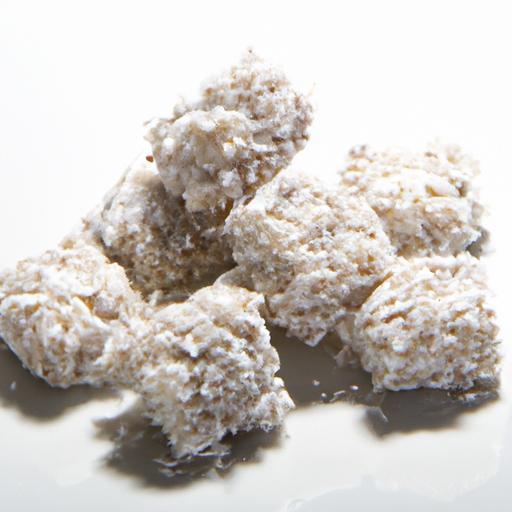

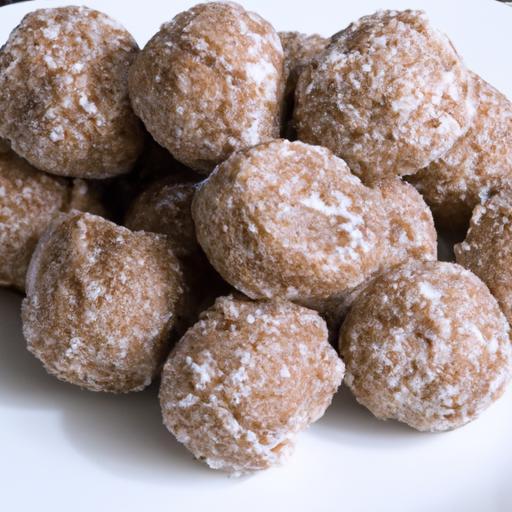
Nestled within the vibrant tapestry of Caribbean culture, coconut drops beckon with their golden, caramelized allure-a humble sweet that carries the warmth of island sunshine and the whispers of generations past.These chewy, spiced morsels, crafted from freshly grated coconut and brown sugar, are more than just a treat; they are edible stories woven from colonial trade routes, local traditions, and the simple joy of island living. Journey with us as we unwrap the rich history behind coconut drops, exploring how this unassuming confection became a beloved symbol of heritage and a flavorful reminder of the Caribbean’s enduring spirit.
Tracing Their Journey: From Island Traditions to Global Tables
Coconut Drops are much more than a simple treat; they carry the vibrant essence of island heritage wrapped in an irresistibly chewy and sweet bite. Rooted deeply in Caribbean culture, particularly in Jamaica and nearby islands, these bite-sized delights tell stories of tropical abundance, community gatherings, and ancestral ingenuity. Traditionally made by mixing freshly grated coconut with local brown sugar and spices, coconut drops have traveled far beyond their humble origins, charming palates around the globe with their warm, caramelized flavor and uniquely textured experience.
My own first encounter with coconut drops was at a bustling island market, where the intoxicating aroma of spiced caramelized sugar and toasted coconut filled the air. These treats are little jewels of island life-simple, honest, and deeply satisfying.
Unique Ingredients and Flavor Profiles That Make Coconut Drops irresistibly Sweet and Chewy
The magic of coconut drops hinges on the harmony between their ingredient trio: freshly grated coconut, rich brown sugar, and a signature hint of warming spices-typically ginger and nutmeg. The unrefined brown sugar lends a deep, complex sweetness with subtle molasses undertones, perfectly complementing the creamy crunch of the coconut. Ginger introduces a mild spicy zing that enlivens each bite, balancing sweetness with a touch of heat, while nutmeg adds a fragrant earthiness that rounds out the flavor profile.
Occasionally, a squeeze of lime juice or the addition of fresh vanilla bean creates a shining counterpoint, elevating both aroma and taste. This blend produces coconut drops with a satisfyingly sticky texture that softens just enough without becoming gluey-an outcome of precise cooking and timing.
Prep and Cook Time
- Readiness Time: 15 minutes
- Cooking Time: 20 minutes
Yield
Approximately 24 small coconut drops, perfect for sharing or savoring throughout the week.
Difficulty Level
Easy to Medium – Grate for both novice cooks and experienced culinary creators eager to explore island flavors.
Ingredients
- 2 cups freshly grated coconut (preferably from a young, tender coconut for moisture)
- 1 ½ cups dark brown sugar, packed
- ½ cup water
- 1 teaspoon freshly grated ginger (or ½ teaspoon ground ginger)
- ½ teaspoon ground nutmeg
- 1 teaspoon pure vanilla extract
- ½ teaspoon sea salt
- Optional: 1 tablespoon fresh lime juice – adds brightness
- Cooking oil or butter, for greasing baking sheets
Instructions
- Prepare your workspace: Lightly grease a baking sheet or line it with parchment paper to prevent sticking. Set aside.
- Combine sugar and water: In a medium, heavy-bottomed saucepan, stir together the brown sugar and water. Cook over medium heat, stirring gently until the sugar dissolves completely and the mixture begins to bubble.
- Add spices: Stir in freshly grated ginger, nutmeg, and sea salt. Allow the syrup to simmer gently for 5 minutes, then reduce heat slightly.
- Incorporate coconut: Add the grated coconut to the syrup mixture and stir thoroughly to coat every flake in the bubbling caramel. Continue cooking uncovered, stirring frequently, until the mixture thickens and clings together. This shoudl take about 7-10 minutes; watch for a deep amber color and sticky texture.
- Finalize flavor: Remove from heat. Stir in vanilla extract and, if using, lime juice to brighten the overall profile.
- Shape the coconut drops: Using two spoons or a small cookie scoop, drop spoonfuls of the mixture onto the prepared baking sheet. Work quickly as the mixture cools fast.
- Cool and set: Let the drops cool at room temperature until firm but still chewy,about 30-40 minutes. Once set, carefully peel them off the parchment.
- Store: Keep coconut drops in an airtight container at room temperature. They stay fresh for up to one week.
Tips for Success
- Freshness is key: Using freshly grated coconut elevates the dish with moisture and natural sweetness unmatched by dried flakes.
- Watch your heat: Medium heat ensures the sugar caramelizes without burning. Burnt sugar will give a bitter flavor and unpleasant texture.
- Test the texture: to check doneness,drop a small spoonful in cold water. If it holds shape but remains slightly sticky, it’s perfect.
- Custom twists: for a tropical flair,add chopped toasted macadamia nuts or dried pineapple bits into the mix before shaping.
- Make-ahead: Coconut drops keep well at room temperature.For longer storage, freeze them, individually wrapped, for up to a month.
Serving Suggestions
Present these sweet island treats alongside a lightly brewed fresh herbal tea such as lemongrass or ginger, which complement the spice notes beautifully. Alternatively, serve with chilled coconut water or freshly squeezed tropical juices for an authentically refreshing island vibe.
For dessert pairings, coconut drops offer a delightful texture contrast when served with creamy panna cotta, coconut ice cream, or simple vanilla bean custard. Garnish with toasted coconut flakes or a sprinkle of nutmeg to enhance the visual appeal and hint at the flavors within.

| Nutrient | Per Serving (1 drop) |
|---|---|
| Calories | 80 kcal |
| Protein | 0.6 g |
| Carbohydrates | 15 g |
| Fat | 3.5 g |
For more tropical-inspired sweets and treats, explore our caribbean Dessert Recipes to keep the island flavors flowing in your kitchen.
Q&A
Q: What exactly are coconut drops?
A: Coconut drops are chewy, sweet treats made from grated coconut simmered with brown sugar and spices until thick and glossy. Originating from Caribbean islands, these delightful morsels capture the essence of tropical sweetness in every bite.
Q: Where did coconut drops originate?
A: Coconut drops hail from the Caribbean, particularly Jamaica, where coconuts flourish and local cooks transformed simple ingredients into beloved desserts. Their roots trace back to the blending of indigenous ingredients with African and European culinary traditions.Q: What makes coconut drops so special compared to other coconut sweets?
A: Unlike light and fluffy coconut confections, coconut drops have a dense, sticky texture and rich caramel flavor. This depth comes from slow cooking the coconut with molasses or brown sugar and warming spices like ginger, giving the treat a comforting warmth.
Q: what ingredients are essential for authentic coconut drops?
A: The magic mix includes freshly grated coconut, brown sugar or molasses, and aromatic spices such as ginger, cinnamon, or cloves. Sometimes a splash of vanilla or a pinch of nutmeg is added for extra nuance, but the heart of the recipe is the sweet-spiced coconut base.
Q: How are coconut drops traditionally enjoyed?
A: These treats are frequently enough wrapped individually or cut into squares, perfect as midday snacks or sweet bites alongside tea. Their rich sweetness and chewy texture make them ideal for nibbling slowly, savoring the balance of caramel and spice.
Q: Can coconut drops be made with dried coconut, or is fresh better?
A: While fresh grated coconut offers the most vibrant flavor and moist texture, dried coconut can be used as a substitute if rehydrated properly. Though, fresh coconut keeps the drops moist and fragrant, enhancing the authentic island experience.
Q: Are coconut drops gluten-free and suitable for special diets?
A: Yes! Coconut drops are naturally gluten-free and can be made vegan by using plant-based sweeteners.Just be sure to check the specific ingredients if buying pre-made, but homemade versions are excellent for those with dietary restrictions.
Q: How has the recipe for coconut drops evolved over time?
A: From humble beginnings using simple island staples, coconut drops have seen creative twists-some cooks add citrus zest, others incorporate spices like allspice or turmeric for a modern flair. Yet, their essence remains a celebration of coconut’s natural sweetness and rich culture.
Q: What cultural significance do coconut drops hold in Caribbean communities?
A: More than just a treat, coconut drops are a symbol of heritage, connecting generations thru shared cooking and storytelling. Preparing coconut drops is often a communal event, strengthening family bonds and preserving island traditions with each batch.
Q: How can someone outside the Caribbean experience the true taste of coconut drops?
A: To savor authentic coconut drops, use fresh coconut if available and bring warmth with real spices. Take time to cook the mixture slowly-it’s as much an art as a recipe. Sharing them with friends invites a little piece of the islands into any home, delivering a sweet slice of history.
Wrapping Up
From the sun-drenched shores where coconuts sway in the breeze to the kitchen tables sprinkled with sugar and spice, coconut drops carry more than just a sweet taste-they hold a piece of island heritage passed down through generations. Each bite is a journey through history, a celebration of culture, and a reminder that sometimes, the simplest ingredients can tell the richest stories. So the next time you savor a coconut drop, remember you’re indulging in a treat that’s as timeless as the islands themselves-a delicious connection to the past, wrapped in golden syrup and coconut’s tender embrace.