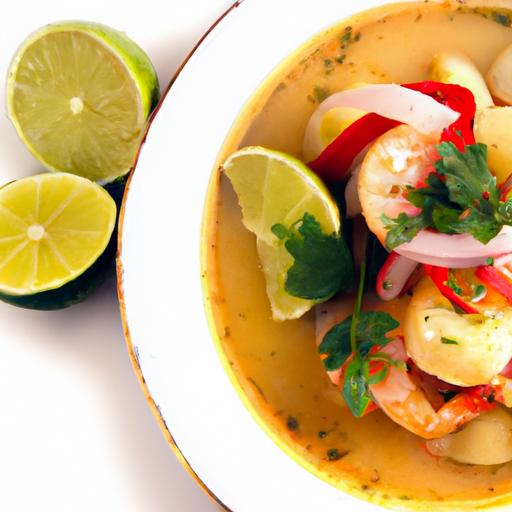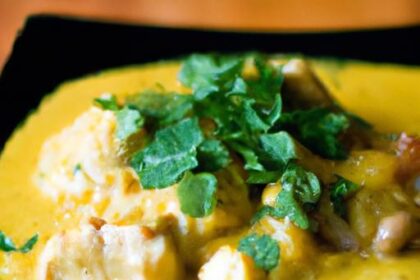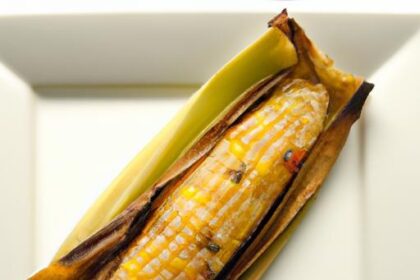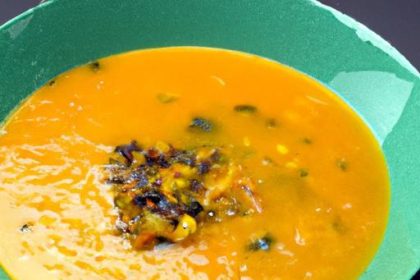



Beneath the vibrant culinary tapestry of Peru lies a dish that captures the soul of its coastal heritage-Chupe de Pescado. This hearty seafood stew, brimming with fresh ocean flavors and comforting ingredients, tells a story of tradition, community, and the bounty of the sea. More than just a meal, Chupe de Pescado is a warm embrace on a chilly evening, a festivity of Peruvian coastal life, and a testament to the country’s rich gastronomic history. Join us as we dive deep into the origins, ingredients, and cultural significance of this beloved stew, uncovering the essence of Peru’s coastal kitchens one spoonful at a time.
Origins and Cultural Roots of Chupe de Pescado in Peruvian Cuisine
Chupe de Pescado is more than just a hearty seafood stew-it’s a vibrant testament to Peru’s rich culinary heritage. Born in the southern regions, notably Arequipa, this dish reflects the fusion of indigenous Andean ingredients with the coastal bounty of the Pacific Ocean. Traditionally enjoyed during colder months,Chupe de Pescado combines local fish varieties with creamy potatoes,corn,and spicy ají peppers,creating a comforting yet complex flavor profile that honors Peru’s diverse geography and cultural tapestry.
My first encounter with this beloved stew was in a small family-run restaurant perched on arequipa’s cobblestone streets. The warmth and depth of the broth, paired with fresh seafood, instantly made me appreciate how food can tell the story of a place and its people.
Prep and Cook Time
- Preparation: 20 minutes
- cooking: 45 minutes
- Total Time: 1 hour 5 minutes
Yield
Serves 6 generous portions
Difficulty Level
Medium – approachable with some attention to layering flavors and timing.
Key Ingredients and Flavor Profiles That Define This Hearty Stew
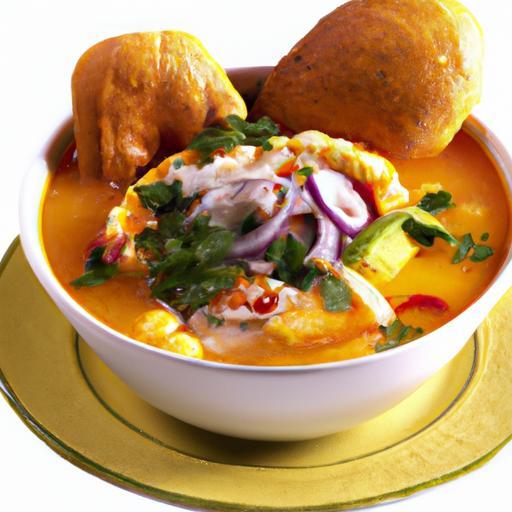
Central to authentic Chupe de pescado is the use of fresh white fish – typically firm-fleshed varieties like hake or cod – which lends a delicate sweetness to the stew.Corn kernels and slices of Andean yellow potatoes enrich the texture, while evaporated milk or crema gives the broth a luscious creaminess. Complementing these are bright pops of acidity from lime and subtle heat from yellow ají peppers, which contribute a gentle warmth without overpowering the dish.
The interplay of earthy potatoes, sweet corn, savory fish, and aromatic herbs like fresh cilantro and oregano builds layers of flavor, crowned by soft-boiled eggs placed atop each bowl before serving.
Ingredients
- 2 lbs firm white fish fillets (e.g.,hake or cod),cut into chunky pieces
- 4 cups fish or vegetable broth
- 2 cups peeled yellow potatoes,cut into 1-inch cubes
- 1 cup white corn kernels (fresh or frozen)
- 1 medium onion,finely diced
- 2 cloves garlic,minced
- 2 tablespoons ají amarillo paste (yellow pepper paste)
- 1 medium tomato,peeled and finely chopped
- 1 cup evaporated milk or heavy cream
- 3 tablespoons vegetable oil
- 1/4 cup chopped fresh cilantro
- 1 teaspoon dried oregano
- 4 hard-boiled eggs,halved
- Salt and freshly ground black pepper,to taste
- Juice of 1 lime
Step-by-Step Guide to Crafting Authentic Chupe de Pescado at Home
- Prepare the base: Heat the vegetable oil in a large heavy pot over medium heat. Add the diced onion and sauté until translucent, about 5 minutes. Stir in the minced garlic and cook for another minute until fragrant.
- Develop the flavor foundation: Add the ají amarillo paste and chopped tomato, stirring well to combine. Cook for 5-7 minutes until the tomato breaks down and the mixture thickens slightly.
- Add potatoes and corn: pour in the fish or vegetable broth, bring to a gentle boil, then add the cubed potatoes and corn kernels. Simmer for about 15 minutes, or until the potatoes are tender but not falling apart.
- Incorporate the fish: Gently add the fish chunks, ensuring they’re submerged in the broth. Simmer on low heat for another 8-10 minutes until the fish is cooked through and flakes easily.
- Finish with cream and herbs: Stir in the evaporated milk or cream, oregano, and chopped cilantro.Season with salt and pepper to taste. Simmer for 3 more minutes, allowing the flavors to marry beautifully.
- Add the final touches: Remove from heat and squeeze fresh lime juice over the stew for a bright finish. Ladle into warm bowls and top each serving with a halved hard-boiled egg.
Tips for Success
- For authentic ají amarillo flavor, seek out paste or fresh peppers from a Latin market, but mild yellow bell pepper mixed with a dash of turmeric can offer a substitute.
- If fish isn’t readily available, shrimp or firm white seafood chunks can be used, but avoid delicate fish that will disintegrate.
- To deepen flavor, gently toast the dried oregano before adding it to release essential oils.
- Make ahead by prepping the broth and base mixture; add fish and cream just before serving to maintain freshness.
Pairing Suggestions and Serving Tips to Elevate Your Chupe Experience
This stew shines when accompanied by crusty bread or customary Peruvian cancha (toasted corn kernels) for texture contrast. A simple side of bright green salad lightly dressed with lime juice and olive oil balances the richness. For beverage pairings, opt for a crisp, citrusy non-alcoholic drink such as a homemade chicha morada or sparkling water with fresh lime.
Garnish with extra fresh cilantro sprigs and a wedge of lime on the side for guests to adjust brightness to their liking. serve in wide bowls to showcase its vibrant colors and inviting creaminess- Chupe de Pescado is as visually stunning as it is indeed soul-warming.

| Nutrient | Per Serving |
|---|---|
| Calories | 320 |
| Protein | 28 g |
| Carbohydrates | 26 g |
| Fat | 12 g |
For more about authentic Peruvian recipes, check our traditional Peruvian dishes guide. Learn more about the rich history of Andean ingredients at Peru.travel official site.
Q&A
Q&A: Chupe de Pescado – Peru’s Hearty Seafood Stew Uncovered
Q: What is Chupe de Pescado, and why is it so beloved in Peru?
A: Chupe de Pescado is a traditional Peruvian seafood stew that beautifully captures the essence of the coastal culinary heritage. It’s beloved for its rich layers of flavor,combining fresh fish,tender potatoes,creamy corn,and a blend of aromatic herbs in a warm,comforting broth. This stew isn’t just food-it’s a soul-warming ritual that brings families together across Peru’s diverse regions.
Q: What types of seafood typically go into Chupe de Pescado?
A: The star ingredient is fresh, flaky white fish, often caught from Peru’s abundant Pacific waters. Common choices include flounder, hake, or sea bass. The beauty of Chupe de Pescado lies in its simplicity and freshness, so the fish is usually the only seafood added, allowing its delicate flavor to shine through.
Q: How does Chupe de Pescado differ from other seafood stews around the world?
A: Unlike many seafood stews that rely heavily on tomatoes or spicy bases, Chupe de Pescado melds a creamy, slightly tangy broth bound with evaporated milk, potatoes, and often fresh corn kernels. It’s a harmonious blend of indigenous Andean ingredients and coastal influences-a unique fusion that delivers both comfort and vibrancy in a bowl.
Q: What are the key ingredients that give Chupe de Pescado its distinctive flavor and texture?
A: The magic comes from the interplay between fresh fish, chunky potatoes, sweet corn, peas, celery, and a touch of aji amarillo (Peruvian yellow chili) for mild warmth. The stew is enriched with evaporated milk, which adds creaminess without overpowering the delicate seafood. Fresh herbs like cilantro and sometimes a squeeze of lime brighten the final dish.
Q: Is Chupe de Pescado served year-round, or is it tied to specific seasons or occasions?
A: While it’s enjoyed any time of year, Chupe de Pescado shines in the cooler months, offering a satisfying, heartwarming meal after a chilly day.It’s also a staple during coastal festivities and family gatherings, celebrated for its ability to comfort and nourish.
Q: Can you describe the cooking process behind Chupe de Pescado?
A: The process begins by gently simmering potatoes, corn, and aromatics in a seasoned broth until tender. Then, chunks of fresh fish are carefully added to cook through without falling apart. evaporated milk is stirred in to add creamy depth, and the stew is finished with fresh herbs and a delicate splash of lime juice to balance the richness.
Q: How does Chupe de pescado reflect Peruvian culture and geography?
A: This stew is a culinary map of Peru itself. It melds mountain-grown potatoes and corn with the bounty of the Pacific Ocean’s seafood,symbolizing the confluence of Andean and coastal traditions. Chupe de Pescado is more than nourishment; it’s a story of Peru’s diverse natural gifts and the harmonious blending of its indigenous and coastal peoples.
Q: Are there any vegetarian or alternative versions inspired by Chupe de Pescado?
A: While traditional Chupe de Pescado celebrates seafood, inspired cooks have adapted it to vegetarian versions using hearty potatoes, corn, peas, and a smoky vegetable broth with a hint of aji amarillo. These adaptations honor the spirit of the dish’s comforting texture and vibrant flavor,even without seafood.Q: What would you say to someone experiencing Chupe de Pescado for the first time?
A: Approach it with an open heart and a curious palate.Let the warmth, the colors, and the inviting aroma pull you in-each spoonful whispers stories of Peru’s coast and mountains, of family kitchens and vibrant markets. It’s more than a stew; it’s a delicious passage to the soul of Peruvian cuisine.
To Wrap It Up
From the bustling coastal markets where fresh catch is hauled in at dawn to the aromatic kitchens simmering with tradition, Chupe de Pescado stands as more than just a dish-it’s a flavorful narrative of Peru’s rich maritime heritage. This hearty seafood stew, with its comforting blend of textures and spices, invites food lovers to dive into a bowl that warms the soul while celebrating the bounty of the sea.Whether you’re a seasoned gastronome or a curious traveler, uncovering the layers of Chupe de Pescado offers a delicious glimpse into the heart of Peruvian culture, one spoonful at a time.