


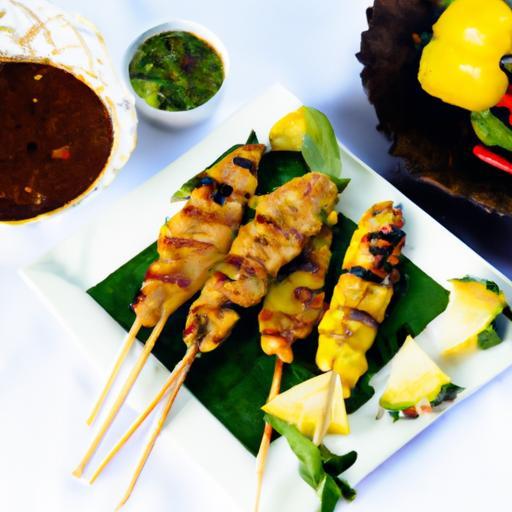
there’s something undeniably captivating about the sizzle of tender chicken threaded onto slender skewers, kissed by smoky flames and glazed with a symphony of spices. Chicken satay, a beloved dish that transcends borders and brings people together, invites us on a flavorful journey steeped in tradition and bursting with vibrant taste. In this article, we’ll peel back the layers of this iconic street food favorite-from its rich cultural origins to the secrets behind its irresistible marinade-unveiling the art and passion behind every succulent bite. Join us as we explore the story,the flavors,and the magic of chicken satay,a savory adventure waiting to be savored.
Discovering the Roots and Richness of Chicken Satay
chicken Satay Unveiled: A flavorful Journey on Skewers begins with the rich heritage of this iconic Southeast Asian street food. Originating from Indonesia and embraced by Malaysia, Thailand, and beyond, this dish carries a deep cultural meaning-a symbol of community, party, and street-side culinary artistry. Traditionally served at night markets or bustling festivals, satay showcases tender, marinated chicken threaded onto bamboo skewers and grilled over open flames, creating aromas that entice every passerby. For me, the magic of chicken satay lies in its amazing versatility and the balance of flavors that marry sweet spices with tangy, smoky notes, transporting your senses to vibrant street scenes with every bite.
Prep and Cook Time
- Preparation: 20 minutes
- Marinating: 4 hours (or overnight for best results)
- Cooking: 10-12 minutes
Yield
Serves 4 (approximately 12 skewers)
difficulty Level
Medium – Perfect for intermediate home cooks eager to experiment with authentic grilling and marinades.
Ingredients
- 500g boneless, skinless chicken thighs, cut into 1-inch cubes
- 3 garlic cloves, minced
- 2 shallots, finely chopped
- 2 tablespoons soy sauce
- 2 tablespoons coconut milk
- 1 tablespoon palm sugar or light brown sugar
- 1 teaspoon turmeric powder
- 1 teaspoon coriander powder
- ½ teaspoon cumin
- 1 tablespoon fresh lime juice (for tang)
- 1 tablespoon vegetable oil
- Wooden skewers, soaked in water for 30 minutes
Instructions
- Prepare the marinade: Combine garlic, shallots, soy sauce, coconut milk, palm sugar, turmeric, coriander, cumin, lime juice, and vegetable oil in a bowl.Whisk until the sugar dissolves and the spices create a smooth paste.
- Marinate the chicken: Toss the chicken cubes thoroughly in the marinade, ensuring each piece is well coated. Cover and refrigerate for at least 4 hours, ideally overnight to deepen the flavors.
- Preheat the grill: Set your grill or grill pan to medium-high heat. Lightly oil the grates to prevent sticking and build that signature char.
- Thread chicken onto skewers: Gently slide the marinated chicken pieces onto the soaked skewers, leaving a little space between pieces to ensure even cooking.
- Grill the skewers: Place the skewers on the grill, cooking for about 5-6 minutes per side. Turn carefully to achieve even, golden grill marks and ensure the chicken stays juicy.Use a brush to baste with leftover marinade during grilling for extra flavor and moisture.
- Check for doneness: The chicken should reach an internal temperature of 165°F (74°C) with no pink in the center. Remove from heat and let rest briefly on a warm plate.
- Serve warm with peanut sauce: Pair the skewers immediately with a freshly made peanut sauce to balance the smoky,spiced chicken with rich creaminess and a touch of heat.
Tips for Success
- Marinate longer: For deeper flavor and tender texture, marinate overnight. The turmeric and coconut milk work wonders to soften the meat.
- Skewer spacing: Leave small gaps between chicken pieces when skewering to allow even heat circulation and prevent steaming.
- Grill control: Avoid charring by maintaining medium heat. High flames cook too fast on the outside while leaving the inside undercooked.
- Oil the grill grates: A lightly oiled grill prevents the appetizing chicken from sticking and tearing.
- Make-ahead peanut sauce: Prepare the peanut sauce a day before to let flavors meld, storing it tightly covered in the fridge.
- Substitutions: chicken breast can be used but watch cooking time to avoid dryness. For a plant-based option,marinate and grill tofu chunks similarly.
Creating the Ultimate Peanut sauce & Serving Suggestions
Nothing complements chicken satay better than a velvety peanut sauce. Its blend of roasted peanuts, garlic, fresh lime, a touch of sweetness from brown sugar, and a hint of chili elevates every bite. Serve skewers on a rustic wooden platter, garnished with thinly sliced cucumber, red onion rings, and a sprinkle of chopped fresh cilantro or toasted sesame seeds for a burst of color and texture. Steamed jasmine rice or coconut rice on the side will round out this flavor-packed experience beautifully.
| Nutrient | Per Serving |
|---|---|
| Calories | 320 kcal |
| Protein | 35g |
| Carbohydrates | 10g |
| Fat | 14g |

For related insights into Southeast Asian grilling techniques, discover our article on Grilled asian Flavors: Tips & Tools. Expand your culinary knowledge with the history of spices from Britannica’s thorough spice overview.
Q&A
Q&A: Chicken satay Unveiled: A Flavorful Journey on Skewers
Q1: What exactly is chicken satay?
A1: Chicken satay is a popular Southeast asian dish featuring marinated chicken pieces threaded onto skewers and grilled to smoky perfection. its hallmark is the harmonious blend of spices and a luscious peanut sauce that brings every bite to life.
Q2: Were did chicken satay originate?
A2: While satay is widely enjoyed across countries like Indonesia, Malaysia, and Thailand, its roots trace back to Indonesia. It quickly became a street-food sensation and has since captured love globally with its bold flavors and approachable grilling style.
Q3: What makes chicken satay different from other grilled chicken dishes?
A3: The secret lies in the marinade and the accompanying sauce. Chicken satay is typically marinated in a mix of turmeric, coriander, garlic, and other spices that infuse the meat with depth and warmth. Then comes the signature peanut sauce – creamy, slightly sweet, and with a gentle kick - creating a perfect dance of flavors.
Q4: How is the peanut sauce for chicken satay made?
A4: Peanut sauce is usually crafted from ground roasted peanuts blended with coconut milk, tamarind, palm sugar, garlic, and chili. This blend gives it a creamy texture and a balance of sweet, tangy, and spicy notes that complement the charred chicken beautifully.
Q5: Can chicken satay be made with different cuts of chicken?
A5: Absolutely! While bite-sized chicken breast or thigh pieces are common, the dish is versatile. thigh meat tends to stay juicier and more tender during grilling, but breast meat works well too if marinated properly.
Q6: What are some tips for grilling the perfect chicken satay?
A6: Start by soaking wooden skewers in water to prevent burning. Marinate the chicken for at least an hour, ideally overnight, so flavors fully seep in.Grill over medium-high heat, turning frequently to achieve a nice char without drying out the meat. Baste with leftover marinade or oil for extra moisture and shine.
Q7: How is chicken satay typically served?
A7: Chicken satay is often accompanied by a generous drizzle of peanut sauce and sometimes served alongside cucumber slices, red onion rings, and a wedge of lime. In many cultures, it’s also paired with fragrant steamed rice or compressed rice cakes called ketupat.
Q8: Are there vegetarian alternatives inspired by chicken satay?
A8: Yes! For those seeking plant-based options, marinated tofu, tempeh, or seitan skewers can be grilled and served with traditional peanut sauce, capturing the essence of satay’s flavor while offering variety.
Q9: Is chicken satay a healthy option?
A9: When grilled and paired with fresh sides, chicken satay can be a balanced and protein-rich choice. Using lean cuts, controlling the amount of oil in marinades, and serving with vegetable accompaniments make it both delicious and wholesome.
Q10: How has chicken satay influenced global cuisine?
A10: Chicken satay’s irresistible flavor profile and friendly format have inspired chefs worldwide to experiment with its spices and sauces. It’s found on menus far beyond Southeast Asia, celebrated as a symbol of culinary fusion, street food charm, and the joy of grilling on skewers.
Closing Remarks
As the final sizzle fades and the last sticky morsel is savored,Chicken Satay stands not just as a dish,but as a vibrant tapestry of culture,tradition,and flavor. From its humble beginnings on street carts to the elegance of tonight’s dinner plate, this skewered delight invites us to explore the rich stories threaded through every charred edge and peanut-drenched bite. Whether you’re a seasoned food lover or a curious culinary adventurer, Chicken Satay offers a flavorful journey that transcends borders-reminding us that sometimes, the simplest combinations can ignite the most unforgettable experiences. So next time you encounter those golden skewers, take a moment to appreciate the history and heart behind each mouthwatering piece. Your tastebuds, and your soul, will thank you.