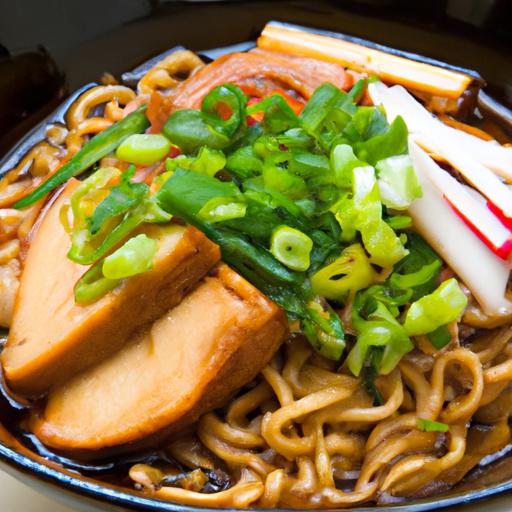


In the world of comfort food, few dishes captivate the senses quite like a steaming bowl of chicken ramen. Beyond its humble appearance lies a complex symphony of flavors-delicate yet bold, familiar yet intriguingly nuanced. Unlocking the secrets of flavor in chicken ramen is not just about combining ingredients; it’s an art form that balances tradition, technique, and a deep understanding of how taste works.
In this article, we will dive into the heart of this beloved dish, exploring the careful selection of broths, the dance of spices, and the craftsmanship that transforms simple elements into a culinary masterpiece. Whether you’re a seasoned cook or an adventurous foodie, join us as we unravel the layers that make chicken ramen an unforgettable experience.
Unlocking the Secrets of Flavor: The Art of Chicken Ramen begins with crafting a broth that is nothing short of sublime-a treasure trove of umami that forms the soul of this beloved dish. This transformative liquid gold captures the essence of simmered chicken bones, fresh aromatics, and carefully balanced seasonings, setting the stage for an unforgettable bowl of comfort and complexity.
Prep and Cook Time
- Preparation: 20 minutes
- Cooking: 4 hours (broth simmering) + 20 minutes (assembly)
- Total Time: Approximately 4 hours 40 minutes
Yield
Serves 4 generous portions
Difficulty Level
Medium - Patience and attention to detail rewarded
Ingredients
- For the Broth:
- 2 lbs chicken bones (backs, necks, wings)
- 1 whole chicken carcass (reserved from roasted chicken)
- 10 cups filtered water
- 1 large onion, quartered
- 4 cloves garlic, smashed
- 2-inch piece fresh ginger, sliced
- 2 stalks celery, chopped
- 2 small carrots, chopped
- 1 sheet kombu (dried kelp), optional but recommended for depth
- 3 dried shiitake mushrooms
- 1 tsp white peppercorns
- 2 tsp sea salt, adjust to taste
- 1/4 cup low-sodium soy sauce
- Noodles and Toppings:
- 12 oz fresh or dried medium-thickness ramen noodles
- 4 soft-boiled eggs, halved
- 1 cup baby spinach or bok choy
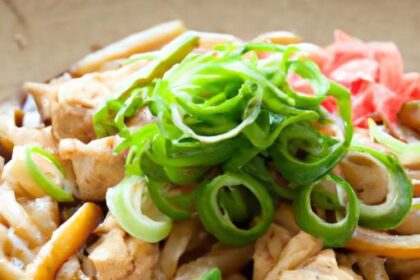
- 2 green onions, thinly sliced
- 1 sheet nori, cut into strips
- 1 cup bamboo shoots, drained
- 1 tbsp toasted sesame seeds
- Chili oil or rayu, optional for heat
Instructions
- Prepare the broth: In a large stockpot, place chicken bones and carcass. Cover with cold filtered water. Bring to a gentle simmer over medium heat, skimming off any foam or impurities with a fine mesh skimmer to keep the broth crystal clear.
- Add Aromatics: Once scum is removed and broth is clear (about 30 minutes), add onion, garlic, ginger, celery, carrots, kombu, shiitake mushrooms, and white peppercorns.Reduce heat to low,maintaining a barely noticeable simmer.
- Simmer with Patience: Let broth simmer gently for 3 to 4 hours, uncovered or partly covered, to reduce and concentrate flavors. Stir occasionally, ensuring nothing sticks to the bottom.
- Season and Strain: after simmering, strain the broth through a fine-mesh sieve lined with cheesecloth into a clean pot. Discard solids. Stir in salt and soy sauce, adjusting seasoning carefully-broth should be balanced, neither too salty nor bland.
- Prepare Noodles: cook noodles according to package instructions. Fresh noodles typically need 2-3 minutes; dried may require 4-5 minutes. Drain and rinse briefly in cold water to stop cooking, then set aside.
- Soft-Boil the Eggs: Bring water to a boil, gently lower eggs in with a spoon, and boil for exactly 7 minutes for the perfect creamy yolk. Instantly transfer to ice bath to halt cooking. Peel carefully and halve just before serving.
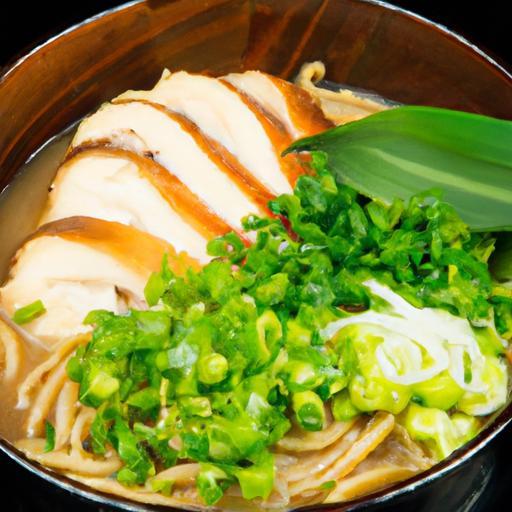
- Assemble Bowls: Divide noodles between bowls. Ladle rich broth over noodles, ensuring each bowl is steaming hot. Artfully arrange spinach or bok choy, bamboo shoots, halved eggs, green onions, and nori strips on top.
- Finishing Touches: Sprinkle toasted sesame seeds evenly, and drizzle with chili oil if desired. Serve immediately to enjoy the full spectrum of flavors and textures.
Tips for Success
- For unbeatable clarity in your broth, always start with cold water and keep the simmer low-not a boil.
- kombu and shiitake mushrooms infuse subtle umami notes-don’t skip them, especially if you’re aiming for authentic depth.
- if pressed for time, roast the chicken bones at 400°F for 30 minutes before simmering for added complexity.
- Use fresh noodles when possible; their springy texture elevates the dish dramatically.
- Soft-boiled eggs add richness and creaminess that pairs perfectly with the broth’s savory layers.
- Bamboo shoots and greens add refreshing crunch and colour-balance your bowl visually and texturally.
- This broth can be made ahead and refrigerated for up to 3 days, flavors deepen beautifully overnight.
Serving Suggestions
Present your chicken ramen in wide, shallow bowls to highlight the beautiful layering of broth, noodles, and toppings. Garnish with a delicate scattering of thinly sliced green onions and a sheet of glossy nori standing proud against the rim. For an added touch of theater,a small drizzle of homemade chili oil provides a ruby red contrast that awakens the senses. Invite your guests to mix ingredients gently or savor each component separately to experience the full depth unlocked by your careful preparation.

| Nutrient | Per Serving |
|---|---|
| Calories | 450 kcal |
| Protein | 35 g |
| Carbohydrates | 45 g |
| Fat | 12 g |
To deepen your mastery, explore our comprehensive guide on making homemade ramen noodles and learn more about technique nuances from authoritative culinary sources like Serious Eats’ Ramen Broth Techniques.
Q&A
Q: What makes chicken ramen such a beloved dish around the world?
A: Chicken ramen captivates with its harmonious balance of savory broth, tender noodles, and rich, comforting flavors. Its appeal lies in the layers of taste and texture-from the umami-packed chicken stock to the silky noodles-creating a soulful bowl that feels both simple and complex at once.
Q: How does the broth influence the overall flavor of chicken ramen?
A: The broth is the heart and soul of chicken ramen. A well-crafted chicken broth, simmered slowly with aromatics like ginger, garlic, scallions, and dried mushrooms, extracts deep, savory notes that form the foundation of the dish. The slow cooking unlocks collagen and flavors that give the broth a luscious mouthfeel and depth.
Q: What techniques elevate the texture of the noodles in chicken ramen?
A: Noodles in chicken ramen thrive when they’re fresh and cooked just right-boiled until al dente to maintain a pleasant bite without becoming mushy. Some recipes call for noodles with a slight alkaline touch,balancing chewiness with a delicate springiness that pairs beautifully with the broth’s richness.
Q: Are there special ingredients that add complexity to chicken ramen broth?
A: Absolutely! ingredients like dried shiitake mushrooms, kombu (kelp), and roasted chicken bones introduce layers of umami and subtle earthiness. Even a splash of soy sauce or miso paste can deepen the broth’s profile, giving it that iconic savory warmth that makes each sip memorable.
Q: How do toppings contribute to the art of chicken ramen?
A: Toppings aren’t just garnish-they’re flavor and texture enhancers.Think tender slices of poached or roasted chicken, marinated soft-boiled eggs with creamy yolks, crunchy bamboo shoots, crisp scallions, and a sprinkle of toasted sesame seeds. Each element adds contrast and character, turning a simple bowl into an experience.
Q: Can the seasoning of chicken ramen be adjusted without losing its authentic feel?
A: Definitely. While traditional seasoning blends like soy sauce and miso form the backbone, subtle variations with ingredients like garlic oil, chili threads, or a hint of yuzu zest can personalize the flavor while staying true to ramen’s essence. The key is balance, allowing each note to shine without overpowering the broth’s delicate harmony.
Q: What role does patience play in crafting the perfect chicken ramen?
A: Patience is the secret ingredient behind exceptional chicken ramen. Building flavor through slow-simmered broths, carefully prepared noodles, and thoughtfully assembled toppings demands time and attention.This unhurried craftmanship transforms humble ingredients into a transcendent culinary masterpiece.
Q: How does chicken ramen reflect cultural artistry beyond just food?
A: Chicken ramen embodies a fusion of tradition, technique, and innovation. It’s a dish that tells a story-of resourcefulness, regional influences, and the joy of sharing comfort through food. Creating and savoring ramen becomes a ritual that connects people across generations and cultures, celebrating both the art and heart of cooking.
The Conclusion
As the steam rises from a perfectly crafted bowl of chicken ramen, we come to appreciate that this humble dish is much more than just comfort food-it is a symphony of flavors, textures, and traditions woven together by culinary artistry.
Unlocking the secrets of flavor in chicken ramen invites us not only to savor each spoonful but also to understand the delicate balance of ingredients,techniques,and patience required to achieve that unforgettable taste. Whether you’re a seasoned chef or a curious home cook, embracing the art of chicken ramen opens a gateway to exploring deeper layers of flavor and cultural heritage, one slurp at a time. So next time you raise that bowl to your lips, remember: you’re tasting centuries of craftsmanship, simmered to perfection.