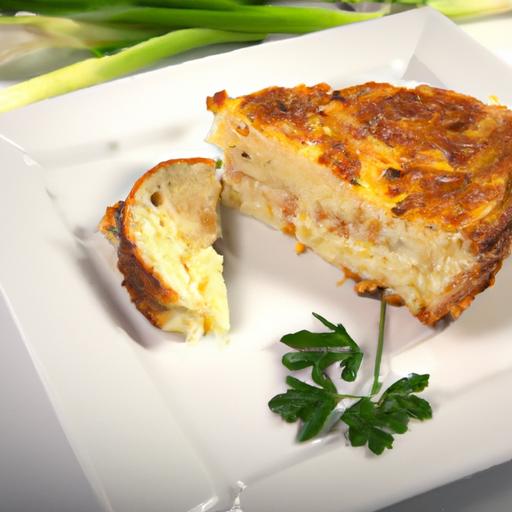





There’s something undeniably comforting about a warm, golden slice of strata-the kind of dish that wraps you in layers of savory goodness and nostalgic memories. But beyond its inviting appearance lies a culinary story rich with history, technique, and flavor harmony. In “Cheese Strata Unveiled: Layers of Flavor and Comfort,” we dive deep into this beloved casserole, exploring how its simple ingredients transform into a symphony of textures and tastes. Whether you’re a seasoned brunch enthusiast or a curious home cook,join us as we unravel the secrets behind strata’s irresistible allure and discover how each layer contributes to a timeless dish that’s much more then the sum of its parts.
Exploring Flavor Combinations That Elevate Every Bite
Cheese strata is more than just a layered casserole-it’s a symphony of textures and tastes that elegantly blend to create a comforting, hearty dish. Rooted in traditional American brunch culture, this one-dish wonder marries fluffy bread, savory cheese, and a luscious custard foundation into a timeless favorite. Through careful selection of cheeses, herbs, and complementary ingredients, you can elevate your cheese strata into a culinary masterpiece that delights every palate.
start by choosing bold cheeses like sharp cheddar or nutty Gruyère to build rich depth. Incorporate fresh herbs such as thyme, chives, or parsley to add brightness, or experiment with caramelized onions and sun-dried tomatoes for bursts of umami and sweetness.For a creamy contrast and a subtle tang,mixing in mild cheeses like mozzarella or cream cheese creates irresistible pockets of melty goodness throughout the strata.
Prep and Cook Time
- Preparation: 20 minutes
- Resting time (for soaking): 1-2 hours (preferably overnight for maximum flavor)
- Cooking: 45-50 minutes
Yield
Serves 6 to 8 generously
Difficulty Level
Medium – While straightforward,attention to custard texture and layering is key for perfection.
Ingredients
- 8 cups day-old crusty bread, cubed (sourdough or baguette work beautifully)
- 2 cups shredded sharp cheddar cheese
- 1 cup shredded Gruyère cheese
- 1 cup whole milk
- 2 cups half-and-half
- 6 large eggs
- 1 teaspoon kosher salt
- ½ teaspoon freshly ground black pepper
- 1 tablespoon finely chopped fresh thyme
- 1 medium yellow onion, thinly sliced
- 2 tablespoons unsalted butter
- 2 cloves garlic, minced
- Optional: ½ cup chopped sun-dried tomatoes or sautéed mushrooms
Instructions
- Prepare the Bread: cut your day-old bread into 1-inch cubes. Spread on a baking sheet and toast lightly at 350°F for 8-10 minutes until just crisp. This helps prevent sogginess.
- Sauté Aromatics: In a skillet, melt butter over medium heat. Add sliced onions and sauté until golden, about 10 minutes. Stir in garlic for the last minute to avoid burning. Remove from heat and set aside.
- mix Custard: In a large bowl, whisk together eggs, whole milk, half-and-half, salt, pepper, and fresh thyme until smooth and well combined.
- Assemble Layers: Butter a 9×13-inch baking dish. Spread half the toasted bread cubes evenly in the dish. Sprinkle half the cheddar and Gruyère cheese, then layer the sautéed onions and optional sun-dried tomatoes or mushrooms.
- Repeat with remaining bread cubes and cheeses, ensuring even layering for balanced texture and flavor.
- Soak: Slowly pour the custard evenly over the layered bread and cheese, pressing down gently to help soak bread through. Cover with plastic wrap and refrigerate for at least 1 hour, preferably overnight. This soaking time is critical for a custard that’s set but creamy.
- Bake: Preheat oven to 350°F.Remove plastic wrap and bake uncovered for 45-50 minutes until the top is golden and a knife inserted near the center comes out clean.
- Rest and Serve: Allow the strata to rest for 10 minutes before slicing to let the custard fully set. This yields irresistibly tender, luscious slices.
Tips for Success
- Day-old bread is essential-it absorbs the custard better without falling apart.
- Don’t skip the soak: generous soaking achieves that perfect custard texture that melts in your mouth.
- Customize flavors: swap gruyère for fontina, or add sautéed spinach for a verdant twist.
- Make ahead: The strata can be assembled the night before and baked fresh in the morning.
- Watch your bake time: overbaking leads to a dry texture; keep an eye for golden top and set center.
Serving Suggestions and Pairings for Every Occasion
cheese strata is a versatile dish that shines on brunch tables, family dinners, or cozy weekend breakfasts. Serve warm alongside a crisp green salad tossed with lemon vinaigrette to balance its richness. Garnish with fresh herbs for a pop of color and freshness.
For a heartier meal, accompany with roasted seasonal vegetables or a bowl of vibrant tomato soup. A basket of crusty bread and a side of sweet fruit compote provide delightful contrasts that make every bite memorable.

| Nutrient | Per Serving (1/8 dish) |
|---|---|
| Calories | 370 kcal |
| Protein | 20 g |
| Carbohydrates | 28 g |
| Fat | 21 g |
For more inspiring brunch ideas, explore our Savory Breakfast Bakes collection. To deepen your understanding of cheese varieties and pairings, visit the cheese.com knowledge hub.
Q&A
Q&A: Cheese Strata Unveiled: Layers of Flavor and Comfort
Q1: What exactly is a cheese strata?
A1: Think of a cheese strata as a cozy casserole layered with bread, eggs, cheese, and often vegetables or herbs. It’s a baked dish where these ingredients meld together, creating a rich, custardy texture that’s both hearty and comforting. Originating from brunch tables, it’s essentially a savory bread pudding that elevates simple ingredients into a soul-warming masterpiece.
Q2: How do the layers in a strata contribute to its overall flavor?
A2: The magic of a strata lies in its layers – each one playing a vital role. Bread acts as a flavorful sponge, soaking up the egg custard and melting cheese, while also providing a tender, slightly crisp texture once baked. Cheese,whether sharp cheddar,creamy Gruyère,or tangy goat cheese,seeps into the layers imparting richness and depth. Simultaneously occurring, fresh herbs and vegetables add brightness and complexity, turning each bite into a symphony of textures and tastes.
Q3: Can you customize a cheese strata to suit different dietary preferences?
A3: Absolutely! Cheese strata is wonderfully versatile. For a vegetarian take,use seasonal vegetables like spinach,mushrooms,or roasted bell peppers paired with your favorite cheeses. Those who avoid gluten can swap traditional bread for gluten-free varieties or even use hearty grains like quinoa or polenta as a base. Dairy alternatives like plant-based cheeses and egg substitutes can also create a strata that fits various dietary needs without sacrificing flavor or comfort.
Q4: What makes cheese strata a perfect dish for gatherings and leftovers?
A4: Cheese strata shines in its make-ahead friendliness. Prepared the night before, it allows the flavors to mingle and the bread to absorb the custard fully, resulting in an even richer taste after baking. Its ability to serve a crowd with minimal fuss makes it ideal for brunches or potlucks. Plus, leftovers reheat beautifully-offering comforting bites that feel freshly made all over again.
Q5: Are there any tips for achieving the perfect strata texture?
A5: Success lies in balance and patience. Use slightly stale or toasted bread so it holds up without turning mushy.the egg-to-dairy ratio must be just right to create a creamy custard that binds the layers.Let the assembled strata rest before baking to give the bread time to soak. bake until golden and puffed, ensuring the inside is set but still luscious.
Q6: How does cheese choice influence a strata’s character?
A6: Cheese is the heart of a strata, and its personality shapes the dish’s soul. A sharp cheddar adds a bold, tangy punch, while milder options like mozzarella offer gooey comfort. Nutty cheeses like Gruyère bring sophistication and a subtle sweetness. Mixing cheeses can create layers of flavor-combining creamy,sharp,and salty notes for a harmonious full-bodied experience.
Q7: What seasonal ingredients pair especially well with cheese strata?
A7: Embrace the bounty of each season to elevate your strata. Spring invites tender asparagus, fresh peas, and herbs like chives or dill. Summer’s vibrant tomatoes, zucchini, and basil bring brightness, while autumn’s roasted squash, caramelized onions, and sage add warmth. In winter, root vegetables and hearty greens like kale or Swiss chard provide earthy depth-all nestled within and around your cheesy layers.Q8: Can cheese strata be enjoyed beyond breakfast or brunch?
A8: Definitely. While beloved as a morning feast, cheese strata’s comfort and versatility make it a fantastic option for lunch, dinner, or even a light supper. Pair it with a crisp salad for a balanced meal or enjoy it as a cozy snack at any time. Its hearty and satisfying nature means it transcends traditional meal times, always ready to provide a flavorful embrace.
Discovering the art of cheese strata is like unwrapping a layered story of flavor and comfort-each forkful a celebration of simple ingredients transformed into everyday magic.
The Way Forward
As we peel back the layers of the humble cheese strata, what emerges is more than just a dish-it’s a appetizing mosaic of tradition, texture, and taste. Each bite tells a story of comfort, from golden baked custard to bubbling pockets of melty cheese, inviting you to savor not only the flavors but the warmth of shared moments around the table. Whether enjoyed as a leisurely brunch centerpiece or a cozy dinner companion, cheese strata continues to capture hearts with its simple elegance and layered complexity. So next time you crave a hearty embrace for your palate, remember: within those golden folds lies a world of flavor waiting to be uncovered.