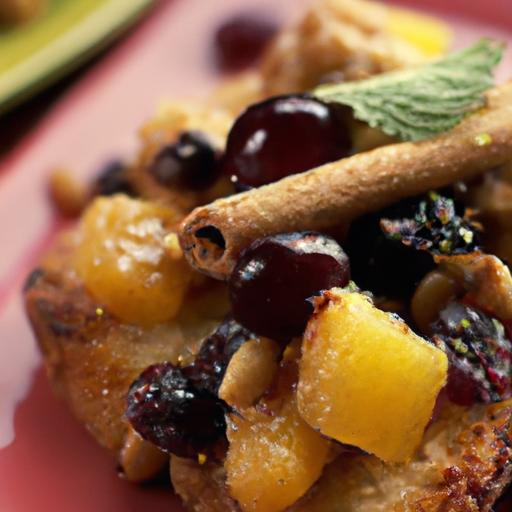

Few desserts carry the rich tapestry of history and culture as deeply as capirotada, the beloved Mexican bread pudding that graces tables each lent and beyond. This humble dish, rooted in tradition and bursting with layers of sweet, spicy, and tangy flavors, tells a story not just of ingredients, but of centuries-old customs passed down through generations.In this article, we’ll explore the origins of capirotada, unravel the secrets behind its signature taste, and share essential tips to help you craft the perfect version of this soulful dessert. Whether you’re a seasoned cook or a curious newcomer, prepare to dive into a culinary journey that celebrates both heritage and flavor in every bite.
Capirotada Recipe: Traditions and Tips for Perfect Flavor
Capirotada recipe is more than just a beloved Mexican dessert; it is a rich tapestry of history, faith, and tradition woven into every sweet, textured bite.Originating from colonial Mexico, this bread pudding is a culinary symbol of lent and Holy Week, embodying the story of sacrifice through layers of toasted bread, nuts, dried fruits, and a fragrant piloncillo syrup. My first taste of capirotada was at a family gathering, where the warm, caramelized aromas filled the air, delivering comfort and nostalgia. This recipe invites you to unlock the secret of authentic,soulful flavor and master a dish that’s as meaningful as it is irresistible.
Prep and Cook Time
- Preparation: 20 minutes
- Cooking: 45 minutes
- Total Time: 1 hour 5 minutes
Yield
Servings: 6-8 generous portions
Difficulty level
Medium – Perfect for home cooks eager to explore traditional Mexican cuisine
Choosing the Ideal Ingredients for Authentic Taste
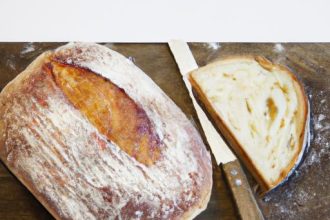
To craft an authentic capirotada recipe, the key lies in selecting ingredients that balance texture and flavor. Use sturdy, day-old bolillo rolls or rustic white bread-slightly stale to absorb syrup without becoming mushy. Piloncillo,an unrefined whole cane sugar shaped like cones,imparts a deep,molasses-like sweetness that’s irreplaceable. For crunch and richness, add toasted pecans or walnuts and golden raisins or dried apricots. Freshly grated cinnamon sticks and whole cloves release aromatic warmth that infuses the syrup throughout each layer.Remember, the quality of your ingredients defines the soul of the dish.
Ingredients
- 8 cups day-old bolillo or French bread, cut into 1-inch cubes
- 2 cups piloncillo, chopped (or dark brown sugar as a substitute)
- 4 cups water
- 3 whole cloves
- 2 cinnamon sticks
- 1 cup golden raisins
- 1 cup chopped toasted pecans
- 1 cup shredded Oaxaca or mozzarella cheese
- 2 tablespoons unsalted butter, melted
- 1 teaspoon vanilla extract
- Optional: ½ cup chopped dried apricots or other dried fruit
Step-by-Step Guide to Mastering the Perfect Capirotada
- Toast the Bread: Preheat oven to 350°F (175°C). Spread bread cubes on a baking sheet and toss with melted butter. Toast for 15 minutes or until golden and crisp.Set aside.
- Prepare the Syrup: In a medium saucepan, combine water, chopped piloncillo, cinnamon sticks, cloves, and vanilla extract. Bring to a simmer over medium heat, stirring occasionally until piloncillo dissolves wholly.
- Simmer and Infuse: Reduce heat and simmer the syrup gently for 15 minutes,allowing it to thicken slightly and aromatics to infuse fully.
- Assemble the Layers: In a greased 8×8-inch baking dish, layer half the toasted bread cubes evenly.Sprinkle half the raisins, pecans, and shredded cheese. Pour a third of the warm syrup over the layer.
- Repeat Layers: Add remaining bread cubes, dried fruits (if using), nuts, and cheese. Pour remaining syrup evenly over the top, ensuring every bite will be soaked in flavor.
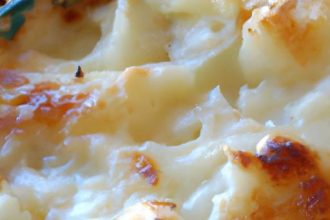
- Bake the Capirotada: Bake uncovered for 30 minutes, or until cheese is melted, syrup is bubbling, and top is golden brown. Remove cloves and cinnamon sticks before serving.
Insider Tips to Enhance Flavor and Texture Every Time
Use Stale Bread: Fresh bread absorbs syrup unevenly and turns overly mushy. slightly stale bolillo or French bread is ideal.
Toast Nuts and Bread: Toasting intensifies flavor and creates delightful crunch contrasts.
Simmer with Patience: Letting the piloncillo syrup gently thicken develops a richer, caramelized depth without burning.
Layer Strategically: cheese brings creaminess and melts to bridge crunchy and chewy textures-don’t skimp!
Prepare Ahead: Capirotada tastes even better the next day once flavors meld. You can bake it a day ahead and warm gently before serving.
Serving Suggestions
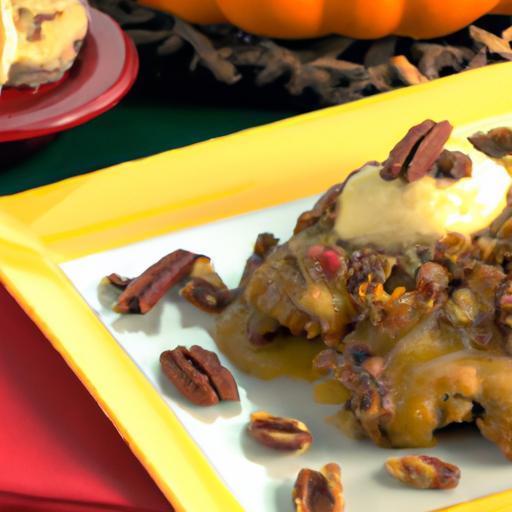
Serve capirotada warm or at room temperature, garnished with a sprinkle of freshly chopped pecans and a light dusting of ground cinnamon. Pair with a hot cup of Mexican spiced coffee or a creamy horchata for an authentic festivity of flavors. This dessert shines as a festive finale or heartwarming comfort treat during the Lenten season and beyond.
| Nutritional Info (per serving) | Calories | Protein | Carbs | Fat |
|---|---|---|---|---|
| Capirotada | 320 kcal | 7 g | 45 g | 10 g |

For even more delightful Mexican dessert inspiration, check our Complete Guide to Mexican Desserts.
Q&A
Q&A: Capirotada Recipe – Traditions and Tips for Perfect Flavor
Q1: What is capirotada, and why is it such a beloved dish?
A1: Capirotada is a traditional Mexican bread pudding, rich in history and symbolism, frequently enough enjoyed during Lent and Holy Week.It’s beloved not only for its comforting,sweet-spicy flavor but also because it brings families together by combining humble ingredients into something truly special.
Q2: What are the key ingredients that make capirotada authentic?
A2: The heart of capirotada lies in its layers of crusty bread soaked in a syrup made from piloncillo (unrefined cane sugar), cinnamon sticks, and cloves. Additional ingredients like toasted nuts, dried fruits such as raisins, and melty cheese create a marvelous balance of textures and flavors.
Q3: Can you explain the symbolism behind capirotada?
A3: Absolutely! Every ingredient in capirotada holds symbolic meaning tied to the Passion of Christ.The bread represents the body of Christ,the syrup symbolizes his blood,cinnamon sticks evoke the wooden cross,and cloves resemble the nails used during the crucifixion. This deep religious symbolism adds layers of meaning to every bite.
Q4: What type of bread is best for capirotada?
A4: Stale bolillo or French bread works beautifully, as it absorbs the syrup without turning mushy. Using day-old bread is ideal because its slightly dry texture soaks up the flavors perfectly, resulting in a pudding that’s moist yet retains a pleasant bite.
Q5: How do I ensure my capirotada has the perfect flavor balance?
A5: the key is in the syrup. Slowly melting piloncillo with cinnamon and cloves allows the spices to infuse deeply, creating a fragrant and rich syrup. Don’t rush this step-it’s the backbone of your dish. Also, toasting the nuts and bread before assembling adds a delightful depth and crunch.
Q6: Are there any helpful tips for assembling capirotada?
A6: Layer with intention! Alternate between bread, nuts, dried fruit, and cheese, making sure each layer is soaked with syrup. Press the layers gently but firmly to encourage the flavors to meld. Baking it low and slow helps everything meld together beautifully.
Q7: Can I customize capirotada while honoring tradition?
A7: Yes! while the basics remain constant, feel free to incorporate regional dried fruits like prunes or apricots. Some enjoy adding a touch of shredded panela or a sprinkle of cinnamon on top before baking. Just remember to keep the core elements-the bread, piloncillo syrup, cinnamon, and cloves-to maintain the soul of the dish.
Q8: How should I serve capirotada for the best experience?
A8: Capirotada is best served warm,fresh from the oven,allowing the melted cheese to mingle with the sweet syrup. Pair it with a cup of hot café de olla or cinnamon-spiced tea to enhance the cozy flavors and create a truly comforting treat.
Q9: How long can capirotada be stored, and what’s the best way to reheat it?
A9: You can store leftover capirotada covered in the refrigerator for up to 3 days. To reheat,gently warm it in the oven at a low temperature or in the microwave until just heated through,making sure it stays moist and luscious-not dry.
Q10: What makes capirotada a perfect dish during Lent?
A10: During Lent, many traditions emphasize reflection and simple, meatless meals.Capirotada fits perfectly-it’s hearty and satisfying but uses humble,accessible ingredients steeped in spiritual symbolism.Its comforting sweetness offers a reminder of hope amidst solemn reflection.
Let this Q&A guide you as you dive into the comforting tradition of capirotada-an edible tapestry of history, faith, and flavor!
Closing Remarks
As the warm, cinnamon-scented aroma of capirotada fills your kitchen, you’re not just baking a dessert-you’re weaving together centuries of tradition and memory. This humble yet deeply flavorful bread pudding is more than the sum of its ingredients; it’s a delicious testament to cultural heritage and the art of celebration. Whether you stick to a classic recipe or add your own twist, the secrets shared here will help you achieve that perfect harmony of textures and tastes that define an unforgettable capirotada. So next time you gather with loved ones, let your capirotada be the sweet thread that connects generations, inviting everyone to savor not only its rich flavors but also the stories baked within.