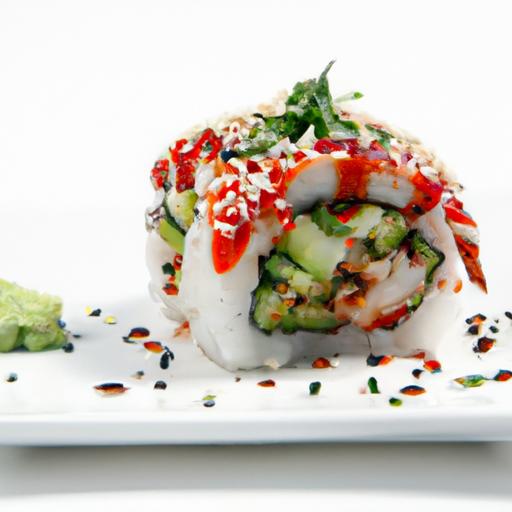

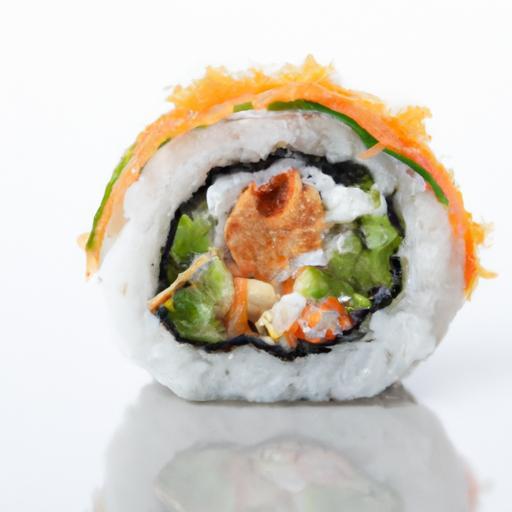
In the world of sushi, where tradition frequently enough reigns supreme, few creations have sparked as much intrigue and conversion as the California roll. Emerging from the vibrant kitchens of Southern California in the late 20th century, this innovative sushi roll not onyl challenged purist conventions but also opened the doors of Japanese cuisine to a broader audience. With its iconic blend of creamy avocado, crisp cucumber, and luscious crab-or crab substitute-wrapped in vinegared rice and seaweed, the California roll became more than just a dish; it became a cultural phenomenon. This article dives into the engaging story of the California roll, exploring how it redefined sushi tradition and reshaped the global culinary landscape.
The Origins and Evolution of the California Roll: Unveiling the Ingredients That Make It Unique
California Roll has transcended its humble beginnings to become a globally beloved sushi icon, cherished for its approachable flavors and inventive use of ingredients that defy traditional sushi norms. Born in the 1960s or 1970s in Los Angeles,this roll was crafted to appeal to American palates by replacing raw fish with creamy avocado and crab-ingredients that felt both familiar and exotic.
The genius of the California Roll lies in its inside-out roll technique,where the rice envelops the seaweed,offering a tender texture and a subtle sweetness from the vinegar-seasoned rice. This innovative presentation demystified sushi for many first-timers. Today, the California Roll symbolizes the beautiful fusion of japanese culinary spirit with Western creativity, making it a perfect gateway to exploring sushi culture.
Prep and Cook Time
- Preparation: 30 minutes
- Cooking: 20 minutes (including rice cooking and chilling)
- Total Time: 50 minutes
Yield
Serves 4 (makes approximately 24 pieces)
Difficulty level
medium – Perfect for sushi enthusiasts ready to master rolling techniques at home
Ingredients
- 2 cups sushi rice (short-grain, rinsed untill water runs clear)
- 2 1/2 cups water for cooking rice
- 1/3 cup rice vinegar
- 3 tablespoons sugar
- 1 teaspoon salt
- 10 sheets nori (dried seaweed)
- 8 ounces imitation crab meat (or real cooked crab meat, shredded)
- 1 large ripe avocado, sliced into thin strips
- 1 medium cucumber, peeled and julienned
- 2 tablespoons toasted sesame seeds
- Soy sauce, for dipping
- Pickled ginger, for serving
- Wasabi paste, optional
- Bamboo sushi rolling mat, lightly wrapped in plastic wrap
instructions
- Prepare the sushi rice: Rinse 2 cups of sushi rice under cold water until the water runs clear to remove excess starch. Combine rinsed rice and 2 1/2 cups water in a rice cooker or heavy pot. Cook according to package instructions or until water is absorbed and rice is tender.
- Season the rice: in a small saucepan, gently heat 1/3 cup rice vinegar, 3 tablespoons sugar, and 1 teaspoon salt until dissolved. Transfer cooked rice to a large bowl and fold in the vinegar mixture with a wooden paddle or spoon. Fan the rice to cool and achieve a glossy texture. Set aside to reach room temperature.
- Prepare fillings: Slice the avocado into thin strips and julienne the cucumber. Shred the imitation crab or cooked crab meat into bite-sized portions.
- Set up your rolling station: Place a bamboo sushi mat on a clean surface and wrap it with plastic wrap to prevent sticking. Lay one sheet of nori shiny side down on the mat.
- Spread rice evenly: Wet your fingers to prevent sticking. Grab about a handful of rice and evenly spread it over the nori, covering the entire sheet. Sprinkle 1 tablespoon of toasted sesame seeds evenly over the rice surface.
- Flip and add fillings: Carefully invert the rice-covered nori so the seaweed is on top. Arrange a thin layer of crab,avocado slices,and cucumber julienne along the bottom edge of the nori sheet (closest to you).
- Roll tightly: Using the bamboo mat, gently lift the edge and roll away from you, pressing firmly but gently to shape a tight cylinder without squeezing out the filling. Continue rolling until you reach the end. Use a bit of water along the edge of the nori to seal the roll.
- Slice the roll: Using a sharp, wet knife, slice the roll into 6 equal pieces. Clean the knife between cuts for perfect edges.
- Plate and garnish: Arrange the rolls on a serving plate, garnish with extra sesame seeds, pickled ginger, and wasabi paste on the side. serve promptly with soy sauce for dipping.
Tips for Success
- Rice texture is key. Properly seasoned and cooled sushi rice is crucial for the authentic California Roll texture and taste.
- Keep hands wet while handling rice to prevent sticking and achieve a neat spread.
- Use a sharp, moistened knife for clean, smooth cuts without crushing rolls.
- Avocado ripeness matters. Choose a just-ripened avocado for creaminess that complements the crisp cucumber and mellow crab flavor.
- You can substitute imitation crab with cooked real crab meat or firm white fish for freshness variations.
- Bamboo mats wrapped in plastic make clean-up easy and protect the mat from moisture.
- Make ahead: Sushi rolls are best enjoyed fresh but can be refrigerated briefly, wrapped tightly to preserve texture.
Serving Suggestions
To elevate your California Roll experience,serve with freshly grated wasabi and a side of thinly sliced pickled ginger,which cleanses the palate between bites. For an elegant touch, sprinkle a pinch of toasted black sesame seeds or thinly sliced green onions atop the rolls. Pair this dish with a light, crisp Japanese green tea or sparkling sake (non-alcoholic options included) to heighten the refreshing flavors.
For a casual gathering, present sushi rolls on a lacquered wooden board accompanied by small dipping bowls filled with soy sauce infused with a few drops of lemon juice or yuzu for a zesty twist. Crisp edamame or seaweed salad make ideal side dishes that complement the creamy texture of avocado and the delicate sweetness of crab.

| Nutrient | Per serving (6 pieces) |
|---|---|
| Calories | 280 |
| Protein | 12g |
| Carbohydrates | 38g |
| Fat | 6g |
Unlock the secrets to this iconic roll and bring the irresistible charm of the California coast right to your kitchen. Want to explore more sushi recipes and techniques? Check out our Ultimate Guide to Sushi Making. For a deep dive into the history of sushi culture, visit Japan Guide – Sushi History.
Q&A
Q&A: California Roll – The Sushi Sensation That Redefined Tradition
Q1: What exactly is a California Roll, and how does it differ from traditional sushi?
A1: The California Roll is a type of sushi that flipped convention on its head by embracing creativity and accessibility. Unlike traditional sushi,which often showcases raw fish on or inside the roll,the california Roll typically features cooked crab meat (often imitation crab),creamy avocado,and crisp cucumber.Rolled “inside-out” with the rice on the outside, it caters to those new to sushi with familiar flavors and textures-making sushi approachable for a wider audience.
Q2: Who invented the California Roll, and where did it originate?
A2: though its exact origins are a bit debated, the California Roll is widely credited to sushi chefs in Los Angeles during the 1960s and 1970s. Chefs like Ichiro Mashita and hidekazu Tojo are often cited as pioneers who innovated by using locally available ingredients and the inside-out rolling technique. This inventive spirit transformed sushi from a traditional Japanese delicacy into a global culinary phenomenon.
Q3: Why is the inside-out roll (uramaki) meaningful in the story of the California Roll?
A3: The inside-out roll is a clever culinary invention that hides the nori (seaweed) inside the roll rather than wrapping it on the outside. This design was key to easing Western diners into sushi by masking the strong taste and unfamiliar texture of seaweed. It also allowed chefs to showcase the glossy, inviting rice on the outside, making the roll visually appealing and approachable.
Q4: How did the California Roll contribute to the global popularity of sushi?
A4: The California Roll served as the gateway sushi for many around the world. By steering clear of raw fish and including popular ingredients like avocado, it appealed to a broader palate and challenged the misconception that sushi is only for adventurous eaters. Its success sparked a sushi renaissance, inspiring chefs to innovate and create new rolls tailored to regional tastes worldwide.
Q5: What makes the California Roll a symbol of culinary fusion?
A5: The California Roll is a flavorful fusion of Japanese technique and north American flavor profiles, blending traditional sushi craftsmanship with local ingredients. Avocado, more commonly associated with Mexican and Californian cuisine, perfectly complements the crab and cucumber, illustrating how cultural exchange can birth exciting new culinary creations that honor tradition while embracing innovation.
Q6: Can the California Roll be customized without losing its essence?
A6: Absolutely! While the classic California Roll centers on crab,avocado,and cucumber,creativity abounds. Variations might incorporate fresh vegetables, different types of cooked seafood, or even spicy mayo to add a kick. Though, the heart of the roll remains the balance between creamy, crisp, and savory elements wrapped in delicate rice-maintaining the spirit of accessibility and flavor harmony.
Q7: What lessons can chefs and food lovers learn from the California Roll’s success?
A7: the California Roll teaches us that respecting tradition doesn’t mean resisting change-it means adapting with creativity. It exemplifies how blending cultural influences and reimagining classic dishes can create entirely new experiences that resonate with diverse audiences.For chefs and food lovers alike, it’s a brilliant example of culinary evolution rooted in both respect and innovation.
Insights and Conclusions
From its humble beginnings as a daring fusion of East and West,the California roll has transcended culinary boundaries to become a beloved icon of modern sushi culture. More than just a dish, it embodies innovation-a bridge between tradition and contemporary tastes that invites both novices and aficionados to savor the art of sushi in a whole new way. As the California roll continues to evolve and inspire, it reminds us that redefining tradition is not about erasing the past, but about rolling forward with creativity and open-mindedness, one bite at a time.