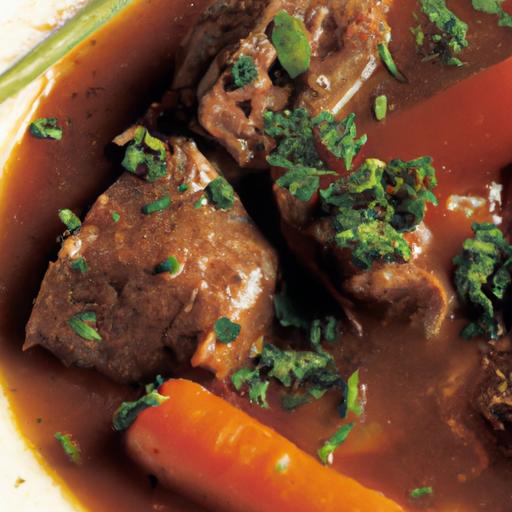



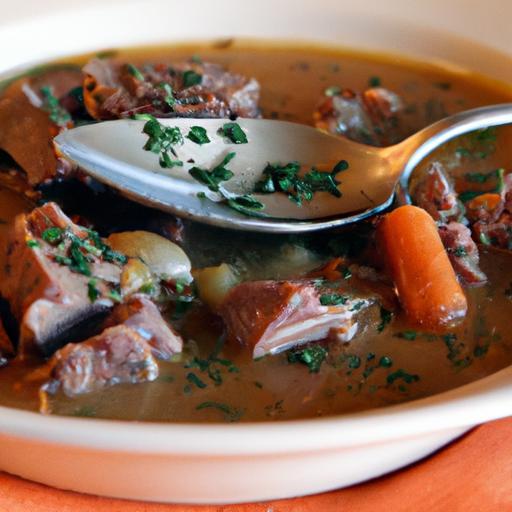
There’s something undeniably comforting about a bowl of classic beef stew-a warm embrace in edible form that has been cherished across generations. Rich, savory, and brimming with tender chunks of beef, vibrant vegetables, and a deeply flavorful broth, this timeless dish embodies teh essence of home cooking. Whether simmered gently on a chilly evening or prepared as a hearty weekend meal, the ultimate classic beef stew recipe brings together simple ingredients in a way that feels both nostalgic and utterly satisfying. In this article, we’ll explore the secrets to crafting a stew that’s hearty, enduring, and remarkably easy to master-one that promises to become a staple in your culinary repertoire for years to come.
Hearty & Timeless classic beef stew captures the essence of comfort in a bowl, offering a rich symphony of flavors that develop slowly for a melt-in-your-mouth experience. Rooted in customary cooking methods, this dish evokes memories of family gatherings around cozy kitchen tables, where the aroma of tender beef and fragrant herbs warms both body and soul.
Prep and Cook Time
- Preparation: 30 minutes
- Cooking: 2.5 to 3 hours (slow simmering)
- Total Time: Approximately 3 hours
Yield
Serves 6 hearty portions
Difficulty Level
Medium – Requires patience and attention but perfect for home cooks ready to savor deep flavors
Ingredients
- 2 pounds beef chuck roast, cut into 1.5-inch cubes
- 1 cup all-purpose flour, sifted, for dredging
- 3 tablespoons vegetable oil or olive oil
- 1 large yellow onion, chopped
- 3 cloves garlic, minced
- 4 cups beef broth (low sodium preferred)
- 2 tablespoons tomato paste
- 2 large carrots, cut into thick rounds
- 2 celery stalks, chopped
- 3 medium Yukon gold potatoes, peeled and diced into chunks
- 1 teaspoon dried thyme
- 1 teaspoon dried rosemary
- 2 bay leaves
- Salt and freshly ground black pepper, to taste
- Fresh flat-leaf parsley, chopped for garnish
Instructions
- Dredge the beef cubes in the sifted flour, shaking off excess to ensure an even light coating. This step creates a flavorful crust that seals in the meat’s juices during simmering.
- Heat 2 tablespoons of vegetable oil in a heavy-bottomed Dutch oven over medium-high heat. Sear the beef in batches-avoid overcrowding-to develop a golden-brown crust. sauté until golden brown,about 5 minutes,stirring occasionally to prevent sticking. Transfer browned beef to a plate and set aside.
- Add remaining tablespoon of oil to the pot, then sauté the onion and garlic until translucent and aromatic, about 4 minutes. Stir frequently to prevent burning.
- Return the browned beef to the pot, stirring to combine with the onions and garlic. Add the tomato paste and cook for 2 minutes, stirring constantly to caramelize and deepen its flavor.
- Pour in the beef broth slowly to deglaze the pot, scraping up all the flavorful browned bits from the bottom. This creates a rich foundation for your stew’s broth.
- add the thyme, rosemary, bay leaves, salt, and pepper, then bring the stew to a gentle boil. Reduce heat to low and cover with a tight-fitting lid. Allow the stew to simmer slowly for 1.5 to 2 hours, stirring occasionally. This slow simmering is key to tenderizing the beef and building deep complex flavors.
- Add the carrots, celery, and potatoes to the pot. Continue to simmer, uncovered, for an additional 45 minutes or until vegetables are fork-tender and the broth has thickened slightly.
- Remove the bay leaves.Adjust seasoning with additional salt and pepper if necessary.
- Serve hot, garnished generously with fresh parsley. The hearty beef chunks and vibrant vegetables nestled in a rich, hearty broth are a feast for the senses.
Tips for Success
- Selecting beef chuck is essential due to its marbling and connective tissues that break down beautifully during long slow cooking, resulting in rich and tender beef stew bites.
- If you prefer a thicker stew, create a slurry by mixing 1 tablespoon cornstarch with 2 tablespoons cold water and stir it in during the last 5 minutes of cooking.
- For enhanced aroma, consider adding a splash of balsamic vinegar or Worcestershire sauce during the simmer phase (avoid wine).
- This stew tastes even better the next day – prepare in advance and reheat gently for perfectly melded flavors.
- Substitute Yukon gold potatoes with baby red potatoes or parsnips for a subtly sweet variation.
Serving Suggestions
To embrace the full luxury of this beef stew,serve it alongside rustic crusty bread or warm buttered egg noodles. A crisp green salad with a light vinaigrette can balance the stew’s richness. Garnish the bowls with freshly chopped parsley or a sprinkle of cracked black pepper for inviting color and freshness. A dollop of creamy horseradish or mustard on the side offers a delightful extra kick.

| Nutrient | Per Serving |
|---|---|
| Calories | 380 kcal |
| Protein | 35 g |
| Carbohydrates | 20 g |
| Fat | 15 g |
Discover more hearty comfort dishes like our Slow Cooker Beef Bourguignon for another flavor-packed journey. For in-depth knowledge on selecting the best cuts of beef, visit the Beef It’s What’s For Dinner resource.
Q&A
Q&A: Hearty & Timeless – The Ultimate Classic Beef Stew Recipe
Q1: What makes this beef stew recipe truly “classic” and timeless?
A1: This recipe embraces the essence of comfort food with its rich,savory broth,tender chunks of beef,and perfectly cooked vegetables. It’s a dish rooted in tradition, with simple ingredients and slow-cooking methods that have been cherished for generations. The warmth and depth of flavor deliver that nostalgic feeling of home-cooked goodness every time.
Q2: What cut of beef works best for a stew meant to be tender and flavorful?
A2: The ideal cuts for beef stew are those with a good balance of meat and connective tissue, like chuck roast or brisket. These cuts hold up beautifully during slow cooking, breaking down slowly to yield tender and juicy beef that melts in your mouth while enriching the broth with deep, beefy flavor.
Q3: How important is the slow cooking process in developing flavor?
A3: Slow cooking is essential-it’s what transforms humble ingredients into a culinary masterpiece. Gentle simmering for several hours allows collagen in the beef to break down, infusing the broth with richness while tenderizing the meat. It also gives vegetables time to soften and mingle flavors harmoniously, creating a stew that’s warm, hearty, and soul-satisfying.
Q4: Can I customize the vegetables in this classic stew?
A4: Absolutely! While traditional stews often feature carrots,potatoes,and onions,feel free to add other root vegetables like parsnips or turnips to add extra dimension.Just keep in mind that some vegetables cook faster than others, so adding them at the right time ensures every bite is perfectly textured.
Q5: What techniques help thicken the stew without overpowering the flavors?
A5: A few classic tricks include gently simmering uncovered toward the end to reduce the broth, or whisking in a small amount of flour or cornstarch slurry for a silky finish. Another old-school tip is to coat the beef cubes lightly in flour before browning, which helps build natural thickness and adds a subtle crust that locks in juiciness.
Q6: Is this beef stew suitable for make-ahead meals or freezing?
A6: Yes! Beef stew often tastes even better the next day as the flavors deepen overnight. It freezes beautifully, too. Just be sure to cool it fully before freezing, and thaw gently in the refrigerator. When reheating, add a splash of broth if it truly seems thickened beyond preference.
Q7: How can I elevate this stew without straying from its classic roots?
A7: Simple additions like fresh herbs-thyme,rosemary,or bay leaves-layer lovely aromatic complexity without compromising tradition. A splash of tangy tomato paste enriches the broth, while a hint of garlic adds earthiness. The key is balancing enhancements with preserving the heartwarming character of this timeless stew.
Q8: What’s the best way to serve this beef stew for an unforgettable meal?
A8: Serve it piping hot in deep bowls, ideally alongside crusty artisan bread to soak up every flavorful drop. A sprinkle of fresh parsley or a dash of cracked black pepper adds freshness and flair.Pair with a side of creamy mashed potatoes or buttery noodles for a comforting feast that’s sure to become a family favorite.
Q9: Can this recipe be adapted for pressure cooking or slow cookers?
A9: Definitely! Both appliances accelerate cooking while still allowing flavors to develop beautifully. For pressure cookers, reduce cooking time and use the meat’s tenderness as a guide. Slow cookers are perfect for a hands-off approach-just layer ingredients, set low, and let time work its magic.
Q10: What’s the secret tip for achieving the perfect balance of textures in this beef stew?
A10: Patience and timing! Brown the beef well to lock in flavor. Add vegetables in stages according to their cooking times-hardier roots early, delicate ones later-to avoid mushiness. Finish with seasoning adjustments at the end to brighten the stew, ensuring each spoonful bursts with layered textures and comforting flavors.
Key Takeaways
As the savory aroma of this classic beef stew fills your kitchen, you’re not just cooking a meal-you’re crafting a timeless experience that warms both body and soul.This hearty recipe, rooted in tradition yet effortlessly adaptable, promises comfort in every tender bite and a savory richness that lingers long after the last spoonful. Whether gathered around the table with loved ones or enjoying a quiet moment of indulgence, this ultimate beef stew invites you to slow down, savor the simple pleasures, and create memories that stand the test of time.So, grab your pot, embrace the simmer, and let this enduring classic become your go-to dish for cozy nights and joyful gatherings alike.