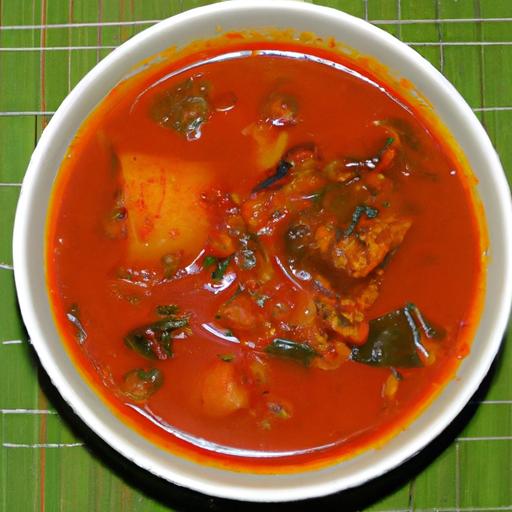



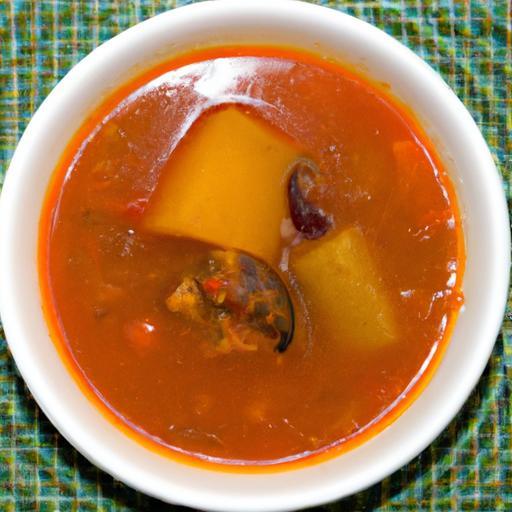
Nestled within the vibrant tapestry of Nigerian cuisine lies a dish that sings with deep, earthy flavors and cultural heritage-Banga Soup. This rich and aromatic stew, crafted from the luscious extract of palm nuts, is more than just a meal; it is a celebration of tradition, community, and the bounties of the tropical landscape. From the bustling southern markets to family tables across the nation, Banga Soup captivates with its velvety texture, bold spices, and succulent chunks of meat or fish. Join us as we dive into the origins, ingredients, and cultural significance of Nigeria’s beloved culinary treasure, uncovering the story behind every savory spoonful.
banga Soup stands as a vibrant emblem of Nigerian culinary heritage, captivating taste buds with its rich, palm nut base and intricate layers of flavor. Originating primarily from the Niger Delta region, this hearty dish has traveled across Nigeria’s diverse ethnic landscapes, embodying cultural pride and communal joy.My first encounter with Banga Soup was in a bustling Lagos market,were the aromatic spices and velvety broth promised a feast that’s both timeless and soul-satisfying. Its deep, reddish hue paired with tender meats and indigenous spices tell stories of tradition, resilience, and celebration on every spoonful.
Prep and Cook Time
- Readiness Time: 20 minutes
- cook Time: 1 hour
- Total Time: 1 hour 20 minutes
Yield
Serves 6 generous portions
Difficulty level
Medium – requires attention to detail with spices and timing
Key Ingredients for an Authentic Experience
- 2 cups palm nut concentrate (fresh or canned)
- 1 lb assorted meats (beef, goat meat, or chicken), cleaned and cut
- 1/2 lb fresh catfish or stockfish (optional for added depth)
- 1 medium onion, finely chopped
- 2 tablespoons ground crayfish
- 2-3 pieces ataiko (banga spice) or conventional banga spice mix
- 2 fresh habanero peppers, crushed (adjust to taste)
- 1 teaspoon oburunbebe stick (optional for thickening)
- Salt, to taste
- Water or meat broth, as needed
Traditional Preparation Techniques to Ensure Authentic Flavor
- Prepare the meats: In a large pot, combine assorted meats with half of the chopped onions, some salt, and a little water.Cook over medium heat until tender, about 30-40 minutes. Add stockfish or catfish in the last 10 minutes if using.
- Extract the palm nut juice: If using fresh palm nuts,boil and pound them,then strain to collect the juice. For canned concentrate, dilute with water as needed until smooth.
- Create your soup base: Pour the palm nut juice into a separate pot and bring to a gentle boil.Stir continuously to prevent scorching.
- Add spices and seasonings: Introduce ataiko spice,crushed habanero peppers,ground crayfish,and the remaining onion. Stir and let the mixture simmer for 10 minutes to marry the flavors.
- Incorporate cooked meats: Transfer the tender meats into the palm nut soup base. Add oburunbebe stick to enhance texture and continue simmering on low heat for another 20-25 minutes.
- Adjust consistency and seasoning: Add warm water or broth if the soup is too thick. Check salt and spice levels, adjusting for balance and your preferred heat.
- Final simmer: Let the soup gently bubble until it thickens to a luscious,velvety consistency,stirring regularly to prevent sticking.
Tips for Perfecting Banga Soup at home
- Spice balance: For those new to Nigerian spices, start with one pepper and increase gradually to avoid overpowering heat.
- Meat variety: Incorporate diffrent meats like cow tripe or oxtail for texture diversity, but make sure to cook them thoroughly beforehand.
- Fresh versus canned palm nut: Fresh palm nuts give a vibrant, fresh taste, while canned concentrate offers convenience-choose based on availability and preference.
- Oburunbebe stick substitute: If unavailable,a small amount of corn starch slurry can add a similar thickness but does not impart the same earthy flavor.
- Make ahead: Banga Soup tastes even better the next day after flavors have melded. Reheat gently on low.
- Avoiding bitterness: Ensure palm nut concentrate is fresh; old or rancid palm oil will taint the soup’s rich flavor.
Pairing Banga Soup with Nigerian Staples to Elevate Your dining experience
Traditional Nigerian staples beautifully complement Banga Soup, enhancing both texture and cultural resonance. Thick, stretchy fufu varieties such as cassava fufu or pounded yam offer a perfect neutral base to savor the soup’s richness. For a more rustic touch, pounded yam vs cassava fufu comparison provides insightful guidance on choosing your ideal partner. You can also serve Banga Soup alongside swallows like starch, amala, or eba, which help soak up every drop of the luxurious sauce. Garnishing the soup with fresh scent leaves or utazi leaves introduces a refreshing aroma and subtle bitterness that elevate the experience.
Nutritional Details
| Component | Per Serving |
|---|---|
| Calories | 450 kcal |
| Protein | 35 g |
| Carbohydrates | 8 g |
| Fat | 30 g |
Serving Suggestions
- Spoon generous ladles over warm fufu or pounded yam to savor the melding of creamy texture and bold flavors.
- Garnish with fresh scent leaves for an herbal lift and vivid green contrast against the deep orange-red soup.
- Serve with sliced red onions and extra habanero peppers on the side for heat seekers.
- Pair with chilled palm wine or a refreshing non-alcoholic beverage like zobo (hibiscus tea) to balance the richness.

Discover the soul of nigerian cuisine by diving into banga soup’s luxurious depths and heritage. For further culinary inspiration, explore our nigerian soups and stews collection and learn more about Nigeria’s rich food culture at Britannica’s Nigerian Cuisine page.
Q&A
Q&A: Exploring Banga Soup – Nigeria’s Rich and Flavorful culinary Treasure
Q1: What is Banga Soup?
A: Banga Soup is a luscious, aromatic Nigerian delicacy made primarily from palm nut fruit extract. It’s a thick, flavorful stew beloved in the Niger Delta region, celebrated for its rich taste and cultural significance. The soup combines a blend of spices, fresh seafood or meat, and vegetables that create a hearty, comforting dish.
Q2: Where does Banga Soup originate from?
A: Banga Soup hails from the Niger Delta, particularly among the Urhobo, Itsekiri, and Ijaw peoples of southern Nigeria. It has become a symbol of the coastal culinary heritage and is often enjoyed at festive occasions and family gatherings.
Q3: What are the main ingredients in Banga Soup?
A: The star ingredient is the palm nut fruit, which is boiled and pounded or blended to extract its oily juice – the base of the soup. Other key components include fresh fish, crayfish (dried shrimp), assorted meats like beef or goat, local spices such as ataiko and irugeje, onions, and bitter leaves or scent leaves for added aroma and texture.
Q4: How does Banga Soup differ from other Nigerian soups?
A: While manny Nigerian soups are thick and hearty, Banga Soup stands out due to its use of palm fruit extract, which gives it a unique oily and aromatic character. Unlike vegetable-heavy soups or those thickened with yam flour or cocoyam, banga Soup’s smooth, rich texture combined with fragrant traditional spices sets it apart.
Q5: Can Banga Soup be made vegetarian-kind?
A: Absolutely! While the authentic flavor often comes from seafood or meat, vegetarian versions can be made using mushrooms, garden eggs (African eggplants), and a medley of fresh local vegetables. Incorporating strong-flavored spices and dried crayfish alternatives like ground nuts can definitely help maintain depth of flavor.
Q6: What dishes are traditionally served with Banga Soup?
A: Banga Soup pairs beautifully with classic Nigerian staples such as starch (a thick paste made from cassava), pounded yam, fufu, or amala. These sides help soak up the rich, flavorful broth, making each bite a perfect harmony of taste and texture.
Q7: What cultural significance does banga Soup hold?
A: Beyond its taste, Banga Soup carries a deep cultural meaning in many Niger Delta communities. it’s frequently enough prepared during ceremonies, weddings, and festive events as a symbol of hospitality, abundance, and communal unity. Sharing Banga soup is seen as an expression of love and respect.
Q8: How can one best experience the authentic taste of Banga Soup?
A: The secret to authenticity lies in sourcing fresh palm nuts and traditional spices from Nigerian markets, as well as allowing the soup to simmer slowly to develop its rich layers of flavor. Pairing it with traditional side dishes and enjoying it in a communal setting enhances the experience tremendously.
Q9: Are there regional variations in preparing Banga Soup?
A: Yes! Different ethnic groups have their own twists. For example, the Urhobo version often emphasizes a richer meat combination, while the Itsekiri may focus on seafood prominently. Spice blends also vary subtly, reflecting regional tastes and ingredient availability.
Q10: Why is Banga Soup considered a “culinary treasure” in Nigeria?
A: Banga Soup embodies Nigeria’s vibrant culinary heritage-rich in tradition, flavor, and history. Its distinctive taste captures the essence of the Niger Delta’s natural bounty and culinary creativity, making it a treasured dish that connects people with their roots and with each other.
Insights and Conclusions
As we wrap up our flavorful journey through the world of Banga Soup,it’s clear that this vibrant dish is more than just a meal-it’s a celebration of Nigeria’s rich cultural heritage and culinary ingenuity. From the aromatic palm fruit extract to the medley of spices and fresh ingredients, Banga Soup embodies the harmony of tradition and taste that continues to captivate palates near and far.
Whether savored at a bustling market table in the Niger Delta or recreated in kitchens worldwide,Banga Soup remains a delicious testament to Nigeria’s deep-rooted love for bold flavors and communal dining. So, the next time you crave a dish that tells a story with every spoonful, remember Banga Soup-Nigeria’s rich and flavorful culinary treasure waiting to be discovered.