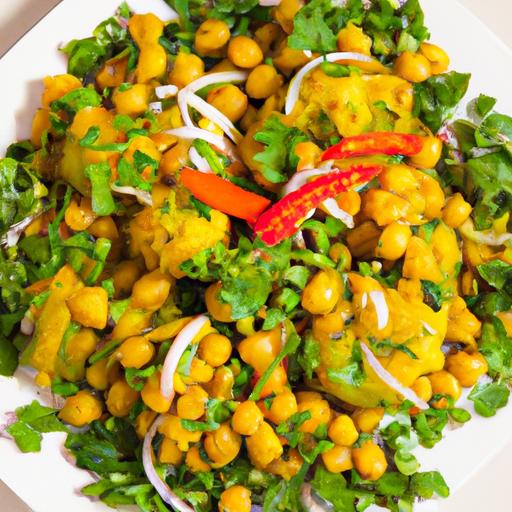


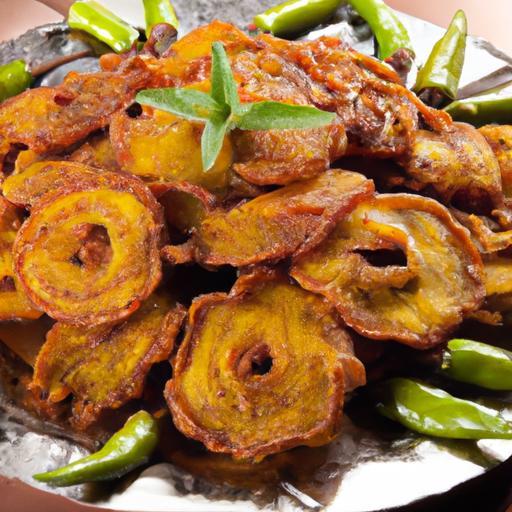
In the bustling tapestry of global cuisine, few dishes carry the weight of history and culture quite like bajia. A humble yet flavorful snack that transcends generations, bajia is more than just a fritter-it is a testament to tradition, community, and the artistry of spice. “Bajia Unveiled: Exploring the Rich Flavors of Tradition” invites you on a sensory journey through time and taste, unraveling the stories folded into every crispy bite. From its regional variations to the secret blends of ingredients, this article delves deep into how bajia has become a beloved emblem of culinary heritage, preserving the essence of tradition while delighting palates around the world.
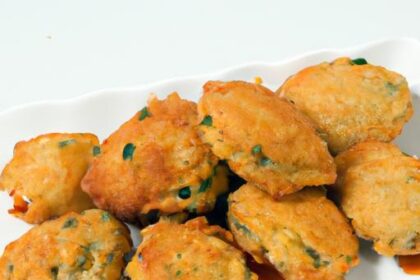
Bajia unveils a treasure trove of history and flavor, a savory snack cherished across regions where tradition meets taste.Rooted in Indian and East African culinary heritage, this crisp, spiced fritter elevates simple ingredients into a festive delight, perfect for celebrations or everyday indulgence. As a food stylist and culinary content creator,I’ve always admired how bajia’s golden exterior hides a complex fusion of textures and aromatics,inviting both curiosity and comfort in every bite.
Prep and Cook Time
- Planning: 20 minutes
- Cooking: 15 minutes
- Total: 35 minutes
Yield
Makes approximately 20 medium-sized bajias (serves 4-6)
Difficulty Level
Medium - Ideal for adventurous home cooks pleasant with frying and spice blending.
Ingredients
- 1 cup chickpea flour (besan), sifted
- ½ cup finely sliced onions
- 1 medium potato, boiled and mashed
- 2 tbsp fresh coriander leaves, chopped
- 1 tbsp green chili, finely chopped (adjust to taste)
- 1 tsp cumin seeds
- 1 tsp carom seeds (ajwain)
- 1 tsp red chili powder
- ½ tsp turmeric powder
- 1 tsp garam masala
- 1 tbsp rice flour (for extra crispiness)
- 1 tsp salt, or to taste
- ¾ cup water (adjust for batter consistency)
- Vegetable oil for deep frying
step-by-Step Guide to Crafting Authentic Bajia at Home
- Prepare the batter: In a large mixing bowl, combine the chickpea flour, rice flour, turmeric, red chili powder, garam masala, salt, cumin seeds, and carom seeds. Whisk in water gradually to create a thick,smooth batter,similar to pancake consistency.
- Add the vegetables: Fold in the mashed potato, sliced onions, green chilies, and chopped coriander. Mix thoroughly to ensure even coating and texture.
- Heat the oil: Pour vegetable oil into a deep frying pan and heat over medium flame until it reaches 350°F (175°C). To test,drop a small batter dollop into oil-if it sizzles and rises to the surface promptly,the oil is ready.
- Fry the bajias: Using a tablespoon, carefully drop spoonfuls of batter into the hot oil. Fry in batches without overcrowding to maintain the oil temperature.
- Cook to golden perfection: Sauté each bajia until crisp and golden brown on all sides, about 4-5 minutes per batch, turning occasionally to prevent burning.
- Drain and cool: Remove the bajias using a slotted spoon and place them on paper towels to absorb excess oil. Allow to cool slightly before serving to enhance crispiness.
Tips for Success
- Batter consistency: A batter too thin will cause the bajias to absorb excessive oil and become soggy. Maintain a thick batter to achieve a perfect crunch.
- Oil temperature: Use a kitchen thermometer or test with a small batter drop frequently enough. Maintaining consistent heat prevents greasy bajias.
- Potato choice: Waxy potatoes hold shape better, but starchy varieties provide fluffier texture inside the fritters.
- Make-ahead tip: Prepare the batter and chop vegetables in advance. Mix just before frying to preserve freshness and texture.
- Variations: For a gluten-free option, ensure rice flour is certified gluten-free.Add finely chopped spinach or grated carrot for vibrant color and nutrition.
Serving Suggestions: Pairing Bajia with Complementary Dishes and Beverages
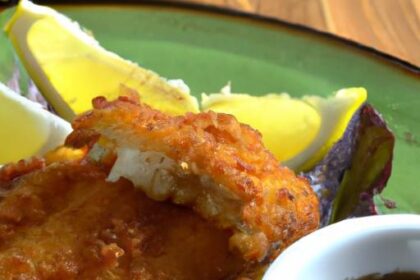
Bajia pairs exquisitely with fresh mint-coriander chutney, whose tangy herbs contrast beautifully with the spicy, earthy flavors. For a heartier meal, serve alongside a cooling cucumber raita or a tangy tamarind sauce to balance the heat. garnish with fresh coriander sprigs and thin lemon wedges for a pop of brightness.
Complement your bajia experience with traditional drinks like lassi,the creamy yogurt-based beverage,which refreshes the palate and cools the spices. For tea lovers, a strong cup of masala chai provides a robust pairing that celebrates the region’s culinary harmony.

| Nutrient | Per Serving (3 pcs) |
|---|---|
| calories | 180 kcal |
| Protein | 6 g |
| Carbohydrates | 25 g |
| Fat | 6 g |
Q&A
Q&A: Bajia Unveiled: Exploring the Rich Flavors of Tradition
Q1: What exactly is Bajia?
A1: Bajia is a treasured traditional snack hailing from the Fujian province of China. Often described as a savory fried dumpling, it features a delicate, crispy outer shell that encases a flavorful filling. Its unique blend of textures and aromas captures the heart of centuries-old culinary artistry.
Q2: What are the typical ingredients used in Bajia?
A2: The magic of Bajia lies in its harmonious mix of fresh vegetables, tofu, mushrooms, and sometimes seafood such as shrimp or fish.These ingredients are finely chopped and seasoned with fragrant spices and herbs, creating a medley of tastes that dance on the palate. The dough is traditionally made from wheat flour, offering a perfect crispness when fried.
Q3: How is Bajia prepared?
A3: Preparation begins with crafting a tender dough that is rolled into small wrappers. The filling, rich with umami from mushrooms and seasoned greens, is then carefully nestled inside. Each piece is hand-sealed before being deep-fried to golden perfection, resulting in a crispy exterior that gives way to a juicy, savory center.
Q4: What cultural significance does Bajia hold?
A4: Bajia is more than just a snack-it’s a culinary symbol of community and tradition. Often made during festivals or family gatherings, preparing Bajia is a communal experience that brings people together.Its recipe and techniques have been passed down through generations, preserving a slice of Fujian’s vibrant cultural heritage.Q5: Are there any regional variations of Bajia?
A5: Absolutely! While the core concept remains the same, different regions add their own twist. Some incorporate local vegetables unique to their area,while others might subtly adjust seasonings to reflect local palates. In coastal regions, seafood fillings are especially popular, whereas inland variations emphasize fresh garden produce.
Q6: Can Bajia be enjoyed by vegetarians?
A6: Definitely. Bajia’s rich, plant-based fillings make it an excellent option for vegetarians.Tofu, mushrooms, and various greens combine to deliver a flavorful punch that satisfies without any animal products. Its versatility in ingredients allows for countless vegetarian renditions.
Q7: How is Bajia typically served?
A7: Bajia is best enjoyed hot and fresh from the fryer, often accompanied by dipping sauces that complement its flavor-such as tangy soy-based mixes, spicy chili oil, or a fragrant vinegar dip. It’s a perfect snack for sharing, whether at street food stalls or family tables.
Q8: What makes Bajia a must-try for adventurous food lovers?
A8: Bajia offers a captivating story on a plate-the perfect harmony of textures,the depth of traditional seasonings,and the warmth of cultural history. for those eager to explore authentic flavors beyond the mainstream, Bajia presents a delicious gateway into the rich culinary tapestry of China’s Fujian region.
The Way Forward
As the savory aroma of bajia lingers in the air, we come to appreciate not just a snack, but a vibrant tapestry woven from history, culture, and craftsmanship. Each bite tells a story-of bustling street corners, festive gatherings, and generations passing down secret spice blends. Bajia is more than food; it is indeed a flavorful bridge connecting the past to the present,inviting us all to savor the richness of tradition with every crunchy,golden morsel. So next time you encounter this humble delight, take a moment to celebrate the heritage it carries, and let your palate wander through the timeless flavors of bajia unveiled.