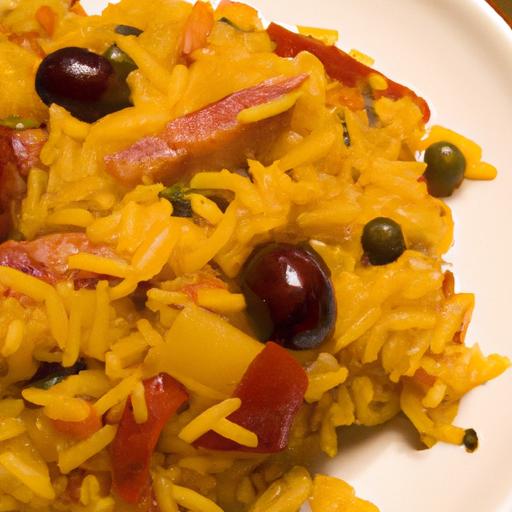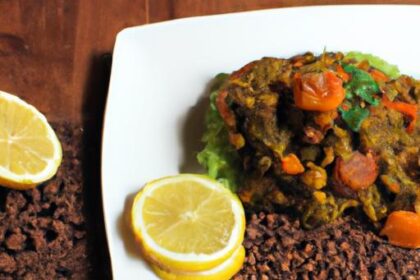



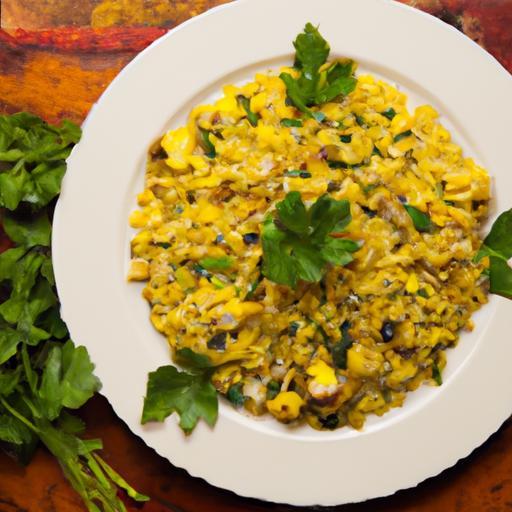
Nestled within the heart of Brazil’s culinary tapestry lies a dish as rich in history as it is in flavor: Arroz Carreteiro. More than just a humble rice meal, this beloved recipe tells the story of the country’s rugged cowboys-the “carreteiros”-who once traversed vast pampas with little more than simple ingredients and boundless ingenuity. From smoky bits of dried meat to fragrant herbs and perfectly cooked grains, Arroz Carreteiro is a vibrant festivity of resourcefulness and regional identity. Join us as we embark on a flavorful journey through the origins, variations, and cultural meaning of this iconic Brazilian rice dish that continues to captivate palates both at home and abroad.
Origins and Cultural Roots of Arroz Carreteiro
Arroz Carreteiro, a beloved Brazilian rice dish, tells the story of the pampas cowboys – or “carreteiros” – who roamed the vast southern plains of Brazil. This hearty meal, born from necessity, was crafted with what ingredients were readily available to sustain long journeys on horseback. Traditionally made using cured beef and robust seasonings, Arroz Carreteiro has evolved into a richly flavored comfort food that embodies Brazilian warmth and resourcefulness. The dish’s rustic charm and deeply savory profile make it a staple at family gatherings and celebrations across Brazil’s southern regions.
Key Ingredients That Define the Authentic Flavor
the authentic taste of Arroz Carreteiro comes from a harmonious blend of bold and fresh ingredients. Long-grain rice forms the fluffy yet hearty base, absorbing the savory notes released by smoked or dried beef-a nod to its origins as a meal for travelers. Aromatics like garlic and onions build a fragrant foundation, while fresh tomatoes add subtle sweetness and moisture. The umami richness is heightened by the addition of green bell peppers and finishing herbs such as fresh parsley or green onions. Chili flakes or fresh chilies are optional for those who crave a gentle kick. Each component plays a critical role in balancing earthiness,acidity,and a hint of smoke,ensuring the dish stays true to its roots.
Step-by-Step Guide to Preparing Conventional Arroz Carreteiro
Mastering Arroz Carreteiro requires patience and attention to layering flavors-the hallmark of any great Brazilian dish. Here’s an approachable step-by-step guide to help you craft this soulful recipe that promises heartwarming satisfaction.
Ingredients:
- 2 cups long-grain white rice, washed and drained
- 300g smoked or dried beef, shredded or cut into small strips
- 2 tablespoons vegetable oil or neutral oil
- 1 large onion, finely chopped
- 4 cloves garlic, minced
- 2 medium ripe tomatoes, diced
- 1 green bell pepper, seeded and diced
- 3 cups beef broth (preferably homemade or low sodium)
- Salt and freshly ground black pepper, to taste
- 1/4 cup fresh parsley, chopped
- 2 scallions (green onions), chopped
- Optional: pinch of dried chili flakes or 1 fresh chili, finely chopped
Instructions:
- Prepare the beef: Soak the smoked or dried beef in warm water for 20 minutes to reduce excess salt, if necessary. Drain and pat dry. Then, shred or cut into bite-size strips.
- Sauté aromatics: Heat the vegetable oil in a large, heavy-bottomed skillet or Dutch oven over medium heat. Add chopped onions and cook until translucent, about 5 minutes.Stir in minced garlic and cook for an additional 1 minute, carefully avoiding burning the garlic.
- Cook the beef: Add the prepared beef to the skillet and sauté until it starts to caramelize and release its smoky aroma, roughly 7-8 minutes. Stir occasionally for even cooking.
- Add vegetables: Stir in diced tomatoes and green bell pepper. Cook down for 5 minutes until the tomatoes soften and a rich, fragrant sauce begins to form.
- Toast the rice: Add the washed rice to the mixture, stirring well to coat each grain with the beef and tomato flavors. Toast the rice lightly for 2 minutes, stirring constantly to prevent sticking.
- Add broth and season: Pour in the beef broth and season generously with salt, pepper, and optional chili flakes if using.Bring the mixture to a boil.
- Simmer: Reduce heat to low, cover the pan, and let it simmer gently for 18-20 minutes until the rice is tender and has absorbed all the liquid. Avoid lifting the lid frequently to keep steam trapped.
- Finish and fluff: Remove from heat and let the dish rest for 5 minutes. Then, fluff the rice gently with a fork.
- Garnish: Mix in freshly chopped parsley and scallions for vibrant color and fresh flavor before serving.
Tips and Variations to Elevate Your Homemade Dish
- Choice of beef: If smoked beef is unavailable, lean dried beef or even slow-cooked brisket can be an excellent substitute.Just be sure to remove excess salt beforehand for balanced seasoning.
- Vegetarian twist: Swap the beef for smoked tempeh or sautéed mushrooms mixed with smoked paprika to mimic the traditional smoky notes without meat.
- Rice texture: low and slow is key-avoid stirring during simmering to achieve perfect, fluffy rice.
- Make ahead: This dish tastes even better the next day as flavors meld. Store in an airtight container in the fridge up to 3 days.
- Add heat: Fresh diced jalapeños or a drizzle of hot sauce can add a delightful punch.
- presentation tips: Serve with lime wedges or fresh salad greens to brighten the palate.
Serving Suggestions
Serve Arroz Carreteiro steaming hot on a large rustic platter or in individual bowls. Garnish with extra parsley sprigs and scallions for freshness. This dish pairs beautifully with a simple green salad tossed in lime vinaigrette, roasted vegetables, or even a creamy avocado side. for an authentic touch, offer lime wedges for guests to squeeze over the rice, enhancing its vibrant, layered flavors. The rich, smoky aroma and hearty texture make it a gratifying centerpiece for any meal.
| Nutrient | Per Serving |
|---|---|
| Calories | 430 kcal |
| Protein | 28 g |
| Carbohydrates | 48 g |
| Fat | 8 g |

Discover more traditional Brazilian recipes like Feijoada, the soul of Brazilian cuisine. For an in-depth look at the ingredients and history of smoked beef, visit the Encyclopaedia Britannica Smoked Meat Article.
Q&A
Q: What is Arroz Carreteiro, and why is it considered a staple in Brazilian cuisine?
A: Arroz Carreteiro is a hearty and flavorful rice dish that hails from the southern regions of Brazil. Traditionally prepared by the “carreteiros” - the muleteers who transported goods across long distances – this dish was a practical and nourishing meal made with simple, available ingredients. Over time, it evolved into a beloved staple, celebrated for its smoky, savory profile and comfort-food appeal.It embodies the spirit of Brazilian hospitality and rustic culinary tradition.
Q: What are the key ingredients that give Arroz Carreteiro its distinctive flavor?
A: The heart of Arroz Carreteiro lies in the blend of rice, beef (usually dried or cured), tomatoes, onions, garlic, and fresh herbs like parsley or green onions. The beef imparts a rich, smoky depth, while sautéed aromatics and the slow cooking process develop layers of umami that make every bite memorable. Some versions include bell peppers or chili for a touch of sweetness or heat.
Q: How did Arroz Carreteiro come to be associated with muleteers and long journeys?
A: The dish’s origins are deeply tied to the life of Brazilian muleteers who traversed vast distances across rugged terrains before the advent of modern highways. They needed a meal that was easy to prepare over campfires, sustaining, and made from ingredients that could be preserved during travel. Using dried beef and rice,they created a dish that was both practical and delicious - fueling their journeys while showcasing regional pantry staples.
Q: Can Arroz Carreteiro be adapted for modern kitchens and dietary preferences?
A: Absolutely! While traditional recipes carry a rustic charm, modern cooks embrace versatility. Lean cuts of beef or locally sourced smoked meats maintain the dish’s savory core without heaviness. For those seeking plant-forward options, smoked mushrooms or roasted vegetables can echo the smoky essence. The key is slow cooking and layering flavors, whether over an open flame or in a home kitchen.
Q: What cultural significance does Arroz Carreteiro hold beyond being a meal?
A: Beyond sustenance, arroz Carreteiro embodies a connection to Brazil’s rural heritage and the communal spirit of shared meals. it’s often enjoyed during gatherings where stories are exchanged, celebrations unfold, and traditions are honored. the dish symbolizes resilience, creativity, and the blending of indigenous and immigrant influences that shape Brazilian gastronomy.
Q: How does Arroz Carreteiro compare to other rice dishes in Latin America?
A: While many Latin american dishes incorporate rice as a base, Arroz Carreteiro stands out for its distinctive use of dried, cured meats and a cooking method that emphasizes depth of flavor through slow simmering. Unlike the luminous, tomato-heavy arroz con pollo or the coconut-infused rice of coastal regions, Carreteiro’s robust, smoky essence reflects the heartland’s rugged landscape and history.
Q: What tips would you give to someone making Arroz Carreteiro for the first time?
A: Start with quality ingredients-good rice, flavorful dried beef or smoked meat choice, and fresh aromatics. Sauté your onions and garlic until golden for that foundational richness. Resist the urge to rush; low and slow is key to melding the layers of flavor. And remember, Arroz Carreteiro is a communal dish, so prepare it in generous portions to share and savor with friends or family.
key Takeaways
From humble beginnings on the dusty trails of southern Brazil to tables worldwide, Arroz Carreteiro tells a story far richer than its simple ingredients suggest. this hearty rice dish, infused with smoky meats, savory spices, and a touch of rustic charm, invites us to savor the cultural tapestry of Brazil’s gaucho heritage. As you explore each bite, you’re not just tasting food-you’re experiencing a flavorful journey that bridges history, tradition, and community. Whether enjoyed in a bustling city restaurant or crafted in your own kitchen, Arroz Carreteiro remains a vibrant testament to the enduring spirit of Brazilian cuisine-a dish that continues to bring people together, one delicious forkful at a time.