

In the heart of New England’s culinary heritage lies a bread as rich in history as it is indeed in flavor-Anadama bread. This humble yet hearty loaf, with its golden crust and sweet molasses undertones, has quietly stood the test of time, weaving itself into the fabric of coastal kitchens for centuries. But what exactly makes Anadama bread so enduringly beloved? In this article, we’ll unveil the secrets behind this timeless classic, exploring its origins, unique ingredients, and, most importantly, how you can bring a slice of New England tradition to your own table with an authentic Anadama bread recipe. Prepare to embark on a flavorful journey that celebrates the past while nourishing the present.
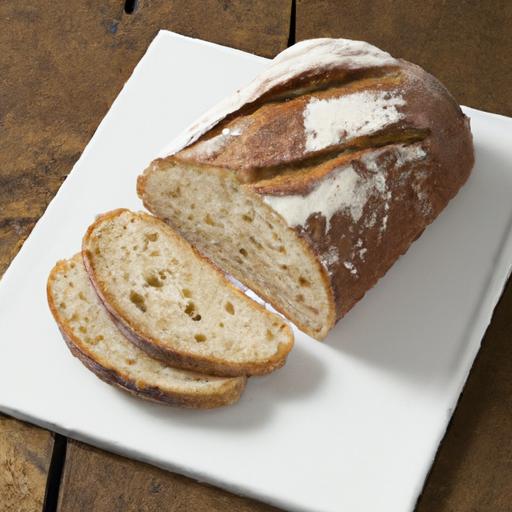
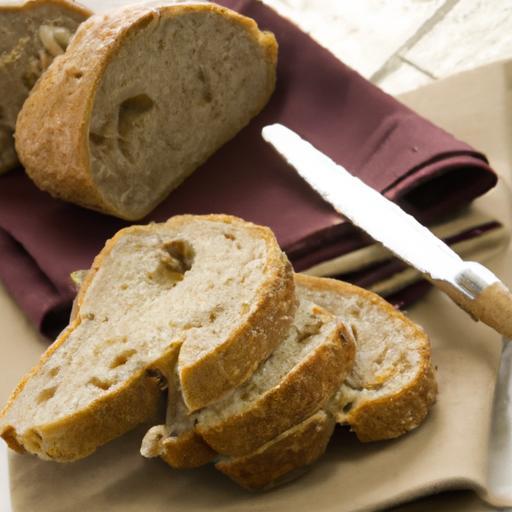
The Anadama Bread Recipe evokes the rustic charm and rich culinary heritage of New England, where this classic bread has been cherished for generations. Originating in the coastal towns of Massachusetts during the colonial era, Anadama bread’s unique blend of molasses, cornmeal, and hearty wheat flour reflects the resourcefulness and flavors of early settlers. As a food stylist and culinary content creator, I’m captivated by how this humble bread delivers a deep amber crust with a pleasantly sweet, slightly gritty crumb that pairs beautifully with everything from butter to hearty stews.
Prep and Cook Time
- Planning: 20 minutes
- Rising Time: 1 hour 45 minutes (divided into two rises)
- Baking Time: 35-40 minutes
- Total Time: Approximately 2.5 hours
yield
1 loaf, serving 8-10 slices, perfect for a family breakfast or afternoon tea spread.
Difficulty Level
Medium – Ideal for bakers comfortable with yeast doughs and looking to explore customary New England flavors.
Ingredients
- 1 cup warm water (about 110°F/43°C)
- 2 tablespoons molasses,preferably dark or robust
- 1 cup cornmeal,finely ground
- 2 ½ cups all-purpose flour,sifted,plus extra for kneading
- 1 tablespoon sugar
- 1 teaspoon salt
- 2 ¼ teaspoons active dry yeast (one packet)
- 2 tablespoons unsalted butter,melted,plus extra for greasing
Instructions
- Activate the yeast: In a large mixing bowl,combine the warm water and molasses,stirring until dissolved. Sprinkle the yeast over the surface and let it stand for 5-10 minutes until foamy and bubbly, indicating the yeast is alive.
- Cook the cornmeal: In a small saucepan, bring 1 cup of water to a boil. Gradually whisk in the cornmeal and cook over low heat,stirring constantly,until thickened,about 3 minutes. Remove from heat and let it cool slightly.
- Combine dry ingredients: In a separate bowl, whisk together the flour, sugar, and salt to ensure even distribution.
- Mix dough: Once the cornmeal has cooled but is still warm, stir it into the yeast mixture. Add the melted butter.Gradually incorporate the dry ingredients, stirring with a wooden spoon until the dough begins to come together.
- Knead: Turn the dough out onto a floured surface and knead for about 8-10 minutes until it’s smooth, elastic, and slightly tacky. Add flour sparingly – too much will dry out the dough and affect the signature soft crumb.
- First rise: Lightly grease a large bowl with butter. Place the dough inside, cover with a damp kitchen towel or plastic wrap, and let rise in a warm place for 1 to 1.5 hours, until doubled in size.
- Shape the loaf: Punch down the risen dough to release air.Shape it into a tight loaf and place it into a greased 9×5-inch loaf pan.
- Second rise: Cover the loaf pan loosely and let the dough rise for another 30-40 minutes, until it puffs just above the rim.
- Bake: Preheat your oven to 375°F (190°C). Bake the loaf for 35-40 minutes, until the crust turns a rich amber color and sounds hollow when tapped.
- Cool: Remove the bread from the pan and transfer it to a wire rack. Allow it to cool completely before slicing to maintain a moist, tender crumb.
Tips for Success
- For a deeper molasses flavor, experiment with using blackstrap molasses but balance it carefully as it can be more bitter.
- If your dough is sticky,avoid adding too much flour; rather,oil your hands lightly to manage stickiness and maintain softness.
- use fresh yeast and warm (not hot) water to ensure a lively rise.
- Make-ahead: Bake the bread, cool completely, then slice and freeze. Toast slices straight from the freezer for a fresh-baked experience.
- For an extra golden crust, brush the loaf with melted butter promptly after baking.
Serving Suggestions
This Anadama Bread Recipe truly shines when served warm with creamy salted butter or a spread of sharp cheddar cheese. Its slight sweetness beautifully complements savory soups like New England clam chowder or stews, offering a hearty balance. For a rustic brunch, toast thick slices and top with smoked salmon, cream cheese, and fresh dill. Garnish with a sprig of fresh thyme or rosemary to enhance the bread’s homely aroma and to create a visually inviting table setting.

| Nutrient | Per Slice (1/10 loaf) |
|---|---|
| Calories | 170 |
| Protein | 5g |
| Carbohydrates | 32g |
| Fat | 3g |
Explore more traditional New England recipes like our New England Clam Chowder for a complete regional culinary experience. For historical context on the origin of Anadama bread, visit Massachusetts Department of Agricultural Resources.
Q&A
Q&A: anadama Bread Recipe – A Timeless New England Classic Unveiled
Q1: What exactly is Anadama bread?
A1: Anadama bread is a hearty, slightly sweet yeast bread that hails from the coastal region of New England. Characterized by its molasses-infused dough and the rustic crunch of cornmeal in the crust, this bread uniquely blends simple ingredients into a chewy, golden loaf steeped in regional folklore and flavor.
Q2: Where does Anadama bread come from?
A2: This beloved loaf traces its origins to the early 18th century in Massachusetts. Legend has it that the name “Anadama” originates from a frustrated fisherman’s wife baking cornmeal and molasses bread while exclaiming her husband only wanted “Anna, d’ama (damn her!),” referring to his preference for the bread’s savory sweetness and the molasses that made it special.
Q3: What ingredients make Anadama bread distinctive?
A3: The magic of Anadama bread lies in its blend of three classic staples: wheat flour, cornmeal, and dark molasses. The molasses adds a rich, caramel-like sweetness and a deep amber color, while the cornmeal lends a subtle corn flavor and a satisfyingly gritty texture to the crust. Yeast ensures an uplifting rise, resulting in a loaf that’s both dense and tender.
Q4: How is Anadama bread traditionally prepared?
A4: the process involves warming molasses with water and butter to create a fragrant base. Cornmeal is stirred in and then combined with flour and yeast. After a slow rise, the dough is baked until golden brown, yielding a crust that’s slightly crunchy and an interior that’s soft and chewy. Patience is key, as the slow fermentation brings out its signature depth of flavor.
Q5: Why is Anadama bread considered a New England classic?
A5: Beyond its deep regional roots, Anadama bread embodies the spirit of New England’s culinary history – humble ingredients transformed by tradition and time-honored technique. It’s the kind of bread that has fed generations of fishermen, farmers, and families, making it a symbol of comfort, resilience, and local flavor.
Q6: How can I enjoy Anadama bread today?
A6: Anadama bread is wonderfully versatile. It shines simply toasted with butter,lends a robust character to hearty sandwiches,or serves as the perfect companion to clam chowder or baked beans. Its slightly sweet, malty notes also pair beautifully with sharp cheeses and savory spreads.
Q7: Can this bread be made gluten-free or vegan?
A7: While traditional anadama bread relies on wheat flour and dairy butter, modern adaptations can substitute gluten-free flour blends and plant-based butter alternatives.Keep in mind that adjustments to the dough’s hydration and rising times may be necessary, but the soul of Anadama-its comforting molasses and cornmeal essence-can still shine through.
Q8: What’s a secret tip for baking perfect Anadama bread?
A8: embrace a slow,gentle rise-allowing the dough to ferment gradually enhances the complexity of flavors and yields a moist,tender crumb. Also, brushing the crust with melted butter right out of the oven enhances its golden color and adds a delightful sheen. Patience and a little love are the best ingredients.
By uncovering the history and craft behind Anadama bread, this rich New England tradition continues to invite bakers and food lovers alike into a warm, molasses-kissed slice of Americana. Ready to bake your own piece of history?
In Summary
As the warm, sweet aroma of Anadama bread fills your kitchen, your not just baking-you’re connecting with centuries of new England heritage, one golden slice at a time. This humble loaf, with its rich blend of cornmeal, molasses, and wholesome wheat, stands as a tasty testament to tradition and simplicity. Whether you’re a seasoned baker or a curious newcomer,embracing the art of Anadama bread invites you to savor a timeless classic that has nourished generations. So,roll up your sleeves,dust off your mixing bowl,and let this storied recipe become a beloved staple in your own culinary story-because some flavors never go out of style.