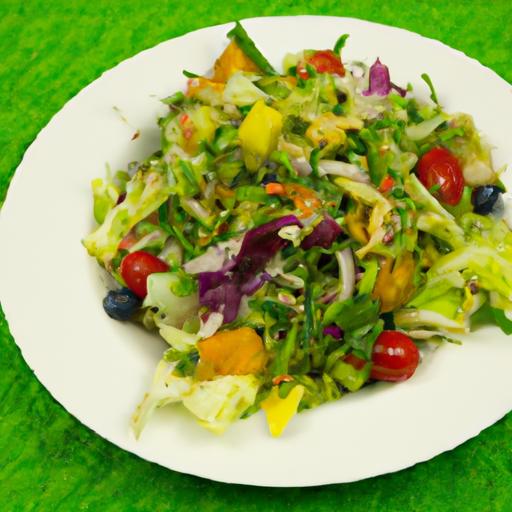



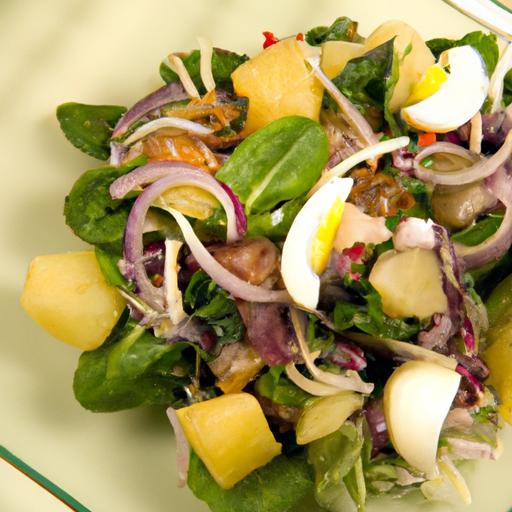
Bursting with colors, flavors, and a rich cultural legacy, African salad is far more than just a dish-it’s a vibrant celebration of tradition and nutrition on a single plate. Rooted in diverse regional customs and brimming with wholesome ingredients, this culinary masterpiece invites food lovers to explore teh heart of African heritage through every crunchy bite and tangy splash. Join us as we journey into the world of African salad, uncovering its history, health benefits, and the unique ingredients that make it a beloved staple across the continent.
African Salad is a vibrant medley that reflects the rich cultural tapestry and diverse culinary heritage of West Africa. Rooted deeply in Nigerian street food traditions, it brilliantly balances fresh vegetables with bold, peppery flavors and crunchy local delicacies. Each bite is a celebration of texture and taste, making this salad not only a feast for the palate but also a powerhouse of nutrition that fuels both body and soul.
Prep and Cook Time
- Planning: 15 minutes
- Cooking: 10 minutes (mostly frying)
- Total Time: 25 minutes
yield
Serves 4 hearty portions
difficulty Level
Easy to Medium – perfect for adventurous home cooks and seasoned foodies alike
Ingredients
- 2 cups finely shredded cabbage, washed and drained
- 1 medium red bell pepper, diced
- 1 medium cucumber, peeled, seeded, and diced
- 1 medium carrot, julienned
- 1 medium tomato, diced
- 1 small red onion, thinly sliced
- 1 cup cooked black-eyed peas, drained
- 1 cup African snacks (like kpala – fried cassava fritters or chin chin broken into bite-size pieces)
- 2 tbsp palm oil (or substitute with high-quality extra virgin olive oil for a milder taste)
- 1 tsp ground crayfish (optional, for authenticity)
- 1 tbsp fresh lemon juice
- 1 tsp freshly ground black pepper
- 1/2 tsp smoked paprika
- Salt to taste
- Fresh cilantro or parsley for garnish
Instructions
- Prepare the Vegetables: In a large bowl, combine the shredded cabbage, diced red bell pepper, cucumber, carrot, tomato, and sliced red onion. Toss lightly to mix.
- Season the Black-eyed peas: Add the cooked black-eyed peas to the vegetable mixture. This adds a creamy texture and boosts protein.
- Heat the Palm Oil: In a small pan, gently warm the palm oil over medium heat. Add the ground crayfish (if using),smoked paprika,and black pepper. Stir for 1-2 minutes until aromatic – be careful not to burn the spices.
- Dress the Salad: Pour the warm, spiced oil over the vegetable and black-eyed pea mixture, tossing immediately to coat all ingredients evenly.
- Add Lemon Juice & Salt: Stir in fresh lemon juice and season with salt to taste. Adjust flavors gradually to balance acidity and seasoning.
- Incorporate Crunch: Gently fold in the African snacks (kpala or chin chin).This adds the signature crispy contrast that makes African Salad irresistibly unique.
- Final Toss and Serve: Give one last gentle toss. Garnish generously with fresh cilantro or parsley before serving.
chef’s Notes
- For a vegan version, omit the ground crayfish and rely on smoked paprika for a subtle smoky depth.
- Using fresh palm oil authenticates texture and color,but high-quality olive oil is an excellent alternative if palm oil is unavailable.
- If you don’t have access to african snacks like kpala or chin chin, substitute with crunchy plantain chips or toasted nuts to preserve texture contrasts.
- Make-ahead tip: Prepare the salad base and dressing separately. Combine just before serving to keep the crunch intact.
- Play with spice levels by adding fresh chopped Scotch bonnet peppers for authentic heat or mild chili flakes for a gentler warmth.
Serving Suggestions
This African Salad is best served chilled or at room temperature, making it ideal for casual lunches, picnics, or as a vibrant side with grilled meats or fish. Present it in a clear glass bowl to showcase its brilliant colors.garnish with a wedge of lime and a sprinkle of toasted sesame seeds for added visual appeal and crunch.
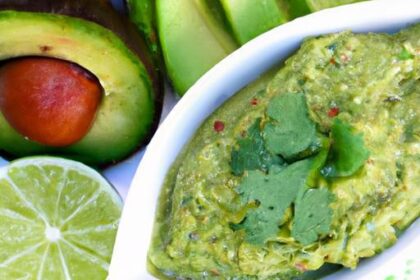
Pair it with a cooling side like coconut rice or plain boiled yam to complement its spicy, tangy flavors. For a modern fusion touch, layer the salad on top of toasted flatbread or serve alongside a creamy avocado dip to mellow its boldness.
| Nutrient | Per Serving |
|---|---|
| Calories | 250 kcal |
| Protein | 9 g |
| Carbohydrates | 30 g |
| Fat | 8 g |
| Fiber | 7 g |

The Roots and Regional Delights of African Salad
African Salad is a quintessential example of how regional ingredients shape a dish’s character. Originating from Nigeria’s vibrant street food scene, its base of cabbage, black-eyed peas, and crunchy fried snacks varies tremendously from region to region. In the south,kpala is favored,while northern variations might include roasted groundnuts for added texture. Across West Africa, the salad reflects local harvests and flavor preferences-spice levels differ, and additional vegetables like garden eggs may find their way into the mix.
Wholesome Nutrition in Every Spoonful
Every ingredient in this salad brings significant health benefits: black-eyed peas add plant-based protein and fiber, promoting digestive health and sustained energy release. Crunchy cabbage and fresh vegetables supply essential vitamins A,C,and K,alongside antioxidants for immune support.The use of palm oil introduces healthy fats vital for brain and heart health, while customary spices enhance metabolism and add vibrant flavor without empty calories. Together, thay make this salad both satisfying and nourishing.
Core Ingredients and Harmonious Flavors
the authentic taste hinges on fresh, crisp vegetables perfectly balanced with creamy black-eyed peas and warming, aromatic palm oil. The inclusion of ground crayfish or smoked paprika layers subtle umami and smokiness, while fresh lemon juice lifts and brightens the entire dish. Textural contrasts are vital-this is where fried kpala or chin chin shines as a crunchy counterpoint, supported by pungent red onions and sweet bell peppers for a truly dynamic bite.
Innovative Tips for a Contemporary African Salad
To elevate this traditional salad with a modern flair, consider these ideas: swap palm oil for avocado oil to keep the healthy fats and introduce a buttery note. Experiment with roasted chickpeas or spiced tempeh for plant-based protein variety.Incorporate microgreens or baby kale for a slight bitterness and additional nutrients.Serve the salad layered in individual glass parfaits for elegant presentation, or transform it into a wrap filling with flatbreads for grab-and-go convenience.
Don’t hesitate to garnish with seeds, nuts, or a drizzle of chili-infused oil to tailor heat and texture to your taste.These simple touches bridge time-honored tradition with contemporary culinary creativity, ensuring the african Salad continues to excite and nourish in every season.
For more vibrant African-inspired recipes that celebrate tradition and nutrition, explore our Nigerian Recipes collection. To deepen your understanding of the nutritional science behind legumes like black-eyed peas, visit British Nutrition Foundation.
Q&A
Q: What is african Salad, and why is it considered a vibrant taste of tradition?
A: African Salad, often known by names such as “Ugba Salad” in Nigeria or “African Bean Salad” in other regions, is a colorful and nutrient-packed dish rooted in the rich culinary heritage of West Africa. It embodies tradition through its use of indigenous ingredients like fermented oil beans, fresh vegetables, and fragrant spices. The vibrant colors and bold flavors tell the story of a culture that celebrates community, health, and the earth’s bounty in every bite.
Q: Which key ingredients make African Salad both nutritious and flavorful?
A: The magic of African Salad lies in its fresh and wholesome ingredients. Common staples include fermented oil beans (ugba), tomatoes, onions, garden eggs (African eggplants), bell peppers, and occasionally crunchy nuts or seeds. These ingredients contribute a powerful punch of protein, vitamins, and minerals. The dish is often dressed with palm oil, which adds a rich, aromatic depth and healthy fats that enhance nutrient absorption.
Q: How does fermentation play a role in African Salad’s unique taste and health benefits?
A: Fermentation is a traditional technique that transforms oil beans into “ugba,” a key element of African salad. This process not only augments the flavor with tangy, savory notes but also increases the digestibility of the beans. Fermentation enriches the salad with probiotics, supporting gut health and boosting immunity. It’s a gorgeous example of how ancestral wisdom and science intertwine on the African dining table.
Q: Can african Salad be customized for various dietary preferences?
A: Absolutely! African Salad is incredibly versatile. While the core ingredients often remain the same, you can easily adjust the salad to suit vegetarian, vegan, or gluten-free diets. Simply amplify the fresh veggies, nuts, and legumes, and tailor the spices to your taste. This adaptability has helped African Salad transcend borders,becoming a beloved dish among global food enthusiasts.
Q: What occasions or celebrations is African Salad traditionally associated with?
A: african Salad frequently graces tables during communal gatherings,festivals,and family events. In many West African cultures, it symbolizes hospitality and abundance. Its radiant presentation and hearty nutrition make it a favorite at weddings, parties, and harvest celebrations, where sharing food is a joyful expression of unity and gratitude.
Q: How can one best enjoy African Salad to appreciate its cultural and nutritional richness?
A: To experience African Salad fully,savor it slowly to appreciate the layers of flavor-from the earthy fermented beans to the crisp,fresh vegetables and the fragrant palm oil dressing.Pair it with staples like yam, plantains, or rice to complete the meal. Beyond taste, embrace the story it carries-a connection to african soil, history, and the enduring spirit of community that shapes every vibrant mouthful.
Key Takeaways
As we wrap up our journey into the world of African salad, it’s clear that this vibrant dish is far more than just a meal-it’s a tapestry woven from tradition, community, and nourishment. Each colorful ingredient tells a story of rich cultural heritage while offering a powerful punch of nutrients that fuel both body and spirit. Whether enjoyed at a festive gathering or as a wholesome everyday choice, African salad invites us to savor a taste that celebrates life’s diversity and vitality. So next time you reach for a bowl, remember: you’re not just eating a salad-you’re embracing a vibrant legacy that continues to nourish generations across the continent and beyond.