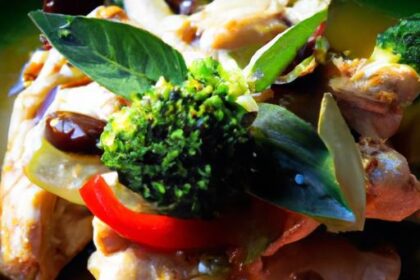
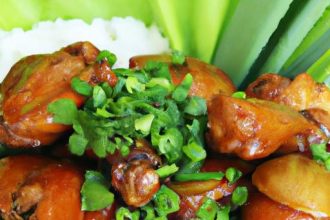
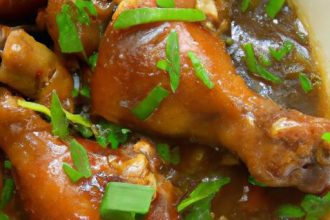

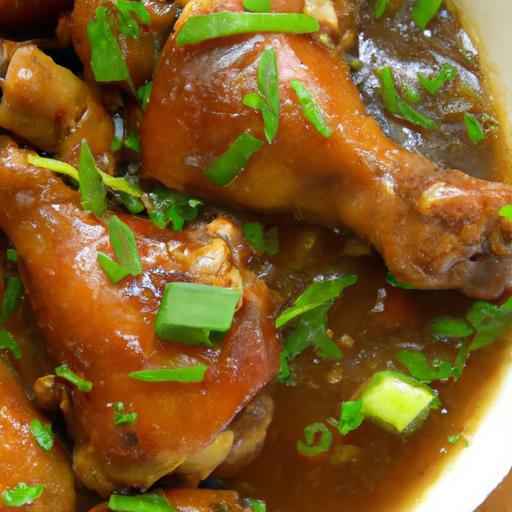
Nestled within the vibrant tapestry of Filipino cuisine lies a dish that has captured the hearts and palates of many-Chicken Adobo. More than just a recipe, this savory classic is a flavorful journey through the Philippines’ rich history and culture.With its tantalizing blend of tangy vinegar, fragrant garlic, and soy sauce, Chicken Adobo is a celebration of simplicity and depth, simmered to perfection in every kitchen across the archipelago. Join us as we uncover the origins, variations, and cooking secrets behind this beloved national treasure, and discover why Chicken Adobo remains an enduring symbol of Filipino warmth and culinary artistry.
Discovering Chicken Adobo opens the door to a simmering pot of Philippines’ rich culinary heritage. This savory classic recipe, cherished for generations, is an iconic Filipino dish that marries tangy, salty, and aromatic flavors in perfect harmony. More than just a meal, chicken adobo carries the spirit of Filipino resilience and resourcefulness, blending native ingredients with culinary influences from Spanish colonization. Whether served at a family gathering or a festive occasion, this timeless dish brings warmth and familiarity to the table, a perfect introduction to the heart of Filipino cuisine.
Prep and Cook Time
- Preparation Time: 15 minutes
- Cooking Time: 40 minutes
- Total Time: 55 minutes
Yield
- Serves 4-6 people
Difficulty Level
- easy
Key Ingredients That Bring Authentic Flavor to Your Chicken adobo
- 2 lbs bone-in, skin-on chicken thighs (for tender, juicy meat and crispy skin)
- 1/2 cup white vinegar (classic Filipino cane or coconut vinegar preferred)
- 1/3 cup soy sauce (for depth and umami)
- 1 cup water (to balance and simmer)
- 6 cloves garlic, peeled and crushed (the soul of adobo’s aroma)
- 3 whole bay leaves (adds subtle earthiness)
- 1 teaspoon freshly ground black peppercorns (for gentle spice)
- 1 tablespoon brown sugar (optional, to soften the tanginess)
- 2 tablespoons cooking oil (vegetable or canola oil)
Step-by-Step guide to Mastering the Perfect Chicken Adobo at Home
- marinate the chicken: In a large bowl, combine chicken thighs, soy sauce, vinegar, crushed garlic, black peppercorns, and bay leaves. Cover and refrigerate for at least 30 minutes or up to 3 hours for maximum flavor infusion.
- brown the chicken: Heat cooking oil in a large skillet over medium heat. Remove chicken pieces from the marinade (reserve the liquid). Sear chicken skin-side down until golden brown and crispy, approximately 5 minutes. Flip and brown the other side for 3 minutes. Browning adds a lovely texture that contrasts the tender meat.
- Simmer to meld flavors: Pour the reserved marinade and water into the skillet.Add brown sugar if using, stir gently, and bring to a boil. Once boiling, lower heat, cover, and simmer for 30 minutes, turning the chicken occasionally. This slow simmer tenderizes the meat and deepens the savory-sour flavors.
- Reduce the sauce: Remove the lid and increase heat to medium-high. Let the liquid reduce by half, stirring occasionally, to achieve a luscious, slightly thickened sauce that clings to every piece of chicken.
- Final touches: Taste and adjust seasoning-add more soy or vinegar according to your preference. Garnish with freshly chopped green onions or fried garlic for an extra crunch and pop of colour.
Tips and Variations to Customize Your Chicken Adobo Experience
- For extra crispiness: After simmering, transfer chicken to a baking sheet and broil for 2-3 minutes, watching carefully to avoid burning.
- Add coconut milk: For a creamier twist,stir in 1/2 cup coconut milk during the last 10 minutes of simmering; this version (adobo sa gata) is a comforting option.
- Use fresh calamansi: A squeeze of calamansi juice brightens the dish right before serving for added citrus zing.
- Serve with jasmine or garlic fried rice to soak up the luscious adobo sauce.
- Make ahead: Chicken Adobo tastes even better the next day as the flavors deepen, making it an ideal make-ahead meal.
- Substitute chicken thighs with drumsticks or boneless chicken breasts depending on preference, though thighs remain the most flavorful choice.
Serving Suggestions
Present your chicken adobo alongside a mound of steaming white rice-ideally jasmine or Filipino sinaing rice-for a simple yet satisfying meal. Garnish with freshly fried garlic, sliced scallions, or chopped cilantro to elevate the dish visually and texturally. For a festive touch, add sliced hard-boiled eggs or blanched vegetables like green beans or eggplant on the side. Pair this with a refreshing calamansi iced tea or coconut water to balance the savory tang.

| Nutrient | Per Serving |
|---|---|
| Calories | 320 kcal |
| Protein | 28 g |
| Carbohydrates | 6 g |
| Fat | 18 g |
For an insightful dive into other Filipino favorites, explore our Sinigang Recipe Guide. For ancient context,visit National Geographic’s feature on Adobo.
Q&A
Q&A: Discovering Chicken Adobo: Philippines’ Savory Classic Recipe
Q1: What exactly is Chicken Adobo, and why is it so beloved in Filipino cuisine?
A: Chicken Adobo is frequently enough called the unofficial national dish of the Philippines, cherished for its perfect harmony of tangy, salty, savory, and slightly sweet flavors. At its heart, it’s a slow-simmered stew where tender chicken pieces are bathed in a rich sauce made primarily from vinegar, soy sauce, garlic, and bay leaves. This blend creates a comforting dish that captures the essence of Filipino home cooking-simple ingredients transformed into extraordinary flavors.
Q2: What makes Chicken Adobo distinct from other chicken stews around the world?
A: Adobo stands out because of its unique vinegar-based marinade and cooking method. The vinegar not only infuses the chicken with a bright acidity but also acts as a natural preservative, allowing the flavors to intensify over time. Unlike typical creamy or tomato-based stews, Adobo maintains a glossy, slightly tangy sauce that clings beautifully to the meat. It’s rustic yet refined, with a delicious balance of sour and savory that’s unmistakably Filipino.
Q3: Can you explain the customary ingredients used in Chicken Adobo?
A: Absolutely! The core ingredients include chicken pieces, soy sauce, vinegar (usually cane or coconut vinegar), crushed garlic cloves, whole black peppercorns, and dried bay leaves. These create the foundational flavors. Some variations might add a touch of brown sugar or onions to deepen the taste and add subtle sweetness or texture. The magic is in the balance-the sharpness of the vinegar, the umami of the soy sauce, and the pungency of the garlic all dance together in this iconic dish.
Q4: How is Chicken Adobo typically served?
A: Chicken Adobo is most commonly enjoyed with steamed white rice, which is perfect for soaking up the luscious sauce. It’s a humble plate that feels both nourishing and hearty. Sometimes, it’s accompanied by simple sides like pickled vegetables or fresh tomatoes to add a refreshing crunch. Because the sauce is so flavorful, even a small drizzle over rice can elevate the meal to something memorable.
Q5: Are there regional variations of Chicken Adobo within the Philippines?
A: Yes, the beauty of Adobo lies in its adaptability! Different regions and families across the Philippines have their own twists on this classic.Some prefer a drier version where the sauce reduces almost wholly, creating a caramelized glaze on the chicken. Others add coconut milk for a creamier texture, or swap out vinegar types to tweak the acidity. These variations reflect local tastes and available ingredients but always keep the soul of Adobo intact.
Q6: What cooking tips can help a beginner nail the perfect Chicken Adobo?
A: Start by marinating the chicken for at least 30 minutes-this allows the flavors to penetrate the meat deeply. Use fresh garlic and whole peppercorns for a more authentic punch. Simmer gently and don’t rush the cooking; slow, steady heat lets the sauce thicken naturally and the chicken become tender. taste as you go-adjust the balance of vinegar and soy sauce until the sauce sings with that classic tangy, savory charm.
Q7: is Chicken Adobo suitable for special occasions or everyday meals?
A: It’s wonderfully versatile! While Chicken Adobo is simple enough for a comforting weekday dinner, its rich and layered flavors also make it a standout dish for gatherings and celebrations.Many Filipino families treasure it as a nostalgic meal that bridges generations-each pot tells a story, simmered slowly and savored lovingly.Q8: Can Chicken Adobo be prepared in advance?
A: Definitely! Actually, Chicken Adobo frequently enough tastes better the next day as the flavors have had more time to meld together. It’s a fantastic make-ahead dish that improves with refrigeration and reheating. Just store it in an airtight container and gently warm before serving. This quality makes it a favorite for busy cooks who want both convenience and deliciousness.Q9: What makes Chicken adobo a great recipe to explore for adventurous cooks?
A: Chicken Adobo strikes a perfect chord between approachable cooking and a flavor profile that feels exotic and comforting at once. It invites explorers to tweak vinegar types, experiment with spices like star anise or chili for a kick, or try different cooking vessels like clay pots to transform the experience. It’s a culinary adventure that connects you to the rich cultural tapestry of the Philippines,one savory bite at a time.
Q10: Where can someone learn more about Filipino cooking beyond Chicken Adobo?
A: Filipino cuisine is a vibrant mosaic of flavors influenced by indigenous, Asian, and colonial histories. To dive deeper, look into dishes like Sinigang (a tangy tamarind soup), Laing (spicy taro leaves cooked in coconut milk), or Halo-Halo (a refreshing shaved ice dessert). Cookbooks, food blogs, and even Filipino cooking classes offer wonderful insights, making every exploration an exciting finding of new tastes and traditions. Chicken Adobo is a delicious gateway to a whole world waiting to be tasted!
the Conclusion
As we close the pot on our flavorful journey through Chicken Adobo, we realize this dish is much more than a recipe-it’s a delicious narrative of Philippine history, culture, and heart. Every tangy, savory bite invites you to experience the warmth of Filipino hospitality and the ingenuity of a cuisine shaped by centuries of tradition and adaptation.Whether you’re a curious food adventurer or a devoted home cook, discovering Chicken Adobo opens the door to a rich culinary heritage that delights the senses and nourishes the soul. So next time you crave something truly timeless,remember: a simple pot of adobo holds the stories and spirit of the Philippines,waiting for you to savor.