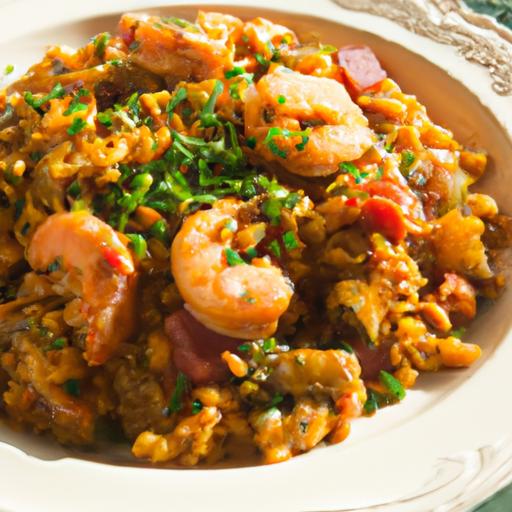


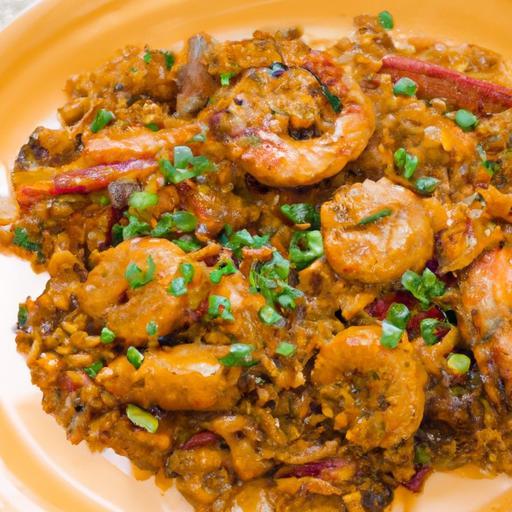
There’s a certain enchantment that happens when spices, rice, and a medley of savory ingredients come together in a single pot-welcome to the world of jambalaya. This vibrant dish, steeped in the rich culinary traditions of Louisiana, is more than just a meal; it’s a festivity of culture, history, and bold flavors. unlock the magic of jambalaya as we dive into its origins, essential ingredients, and the secrets that make this classic recipe a beloved staple on tables around the globe. Whether you’re a seasoned chef or a curious newcomer, prepare to embark on a flavorful journey that promises warmth, zest, and unmistakable Southern charm.
The Rich History Behind Jambalaya’s Irresistible Appeal
Unlock the Magic of Jambalaya begins with understanding the roots of this beloved Creole and Cajun classic. Born in the vibrant melting pot of Louisiana, jambalaya is a symbol of cultural fusion where French, Spanish, and African influences meld beautifully. Originally a humble one-pot meal, it evolved through generations into a dish bursting with soul-stirring flavors and hearty textures. Each grain of rice is infused with the smoky warmth of spices, the savory depth of seafood or chicken, and the freshness of garden vegetables, making jambalaya more than just a meal-it’s a celebration of heritage.
The charm of jambalaya lies in its story: a communal dish that brought families and neighbors together around the table, each region tweaking its ingredients based on local bounty and traditions. This rich history adds layers of meaning to the irresistible appeal of jambalaya, making every bite a flavorful journey through time and culture.
Prep and Cook Time
- Planning Time: 20 minutes
- Cooking Time: 40 minutes
- Total Time: 60 minutes
Yield
Serves 6 generously
Difficulty Level
Medium – Suitable for confident beginners eager to explore Creole cooking
Essential Ingredients That Bring Jambalaya to Life
- 2 cups long-grain white rice, rinsed and drained
- 1 lb boneless, skinless chicken thighs, cut into bite-sized pieces
- 1 lb shrimp, peeled and deveined
- 1 large onion, finely chopped
- 1 green bell pepper, diced
- 2 celery stalks, diced
- 4 garlic cloves, minced
- 1 (14 oz) can diced tomatoes with juices
- 4 cups chicken stock, preferably low-sodium
- 2 tbsp olive oil
- 2 tsp smoked paprika
- 1 tsp dried thyme
- 1 tsp cayenne pepper (adjust to taste)
- 2 bay leaves
- Salt and freshly ground black pepper, to taste
- 3 green onions, sliced for garnish
- Fresh parsley, chopped for garnish
- Lemon wedges, for serving
Mastering the Perfect Balance of Flavors and Textures
- Heat 2 tablespoons of olive oil over medium heat in a large heavy skillet or Dutch oven. Add chicken pieces season with salt and pepper. Sauté until golden brown, about 6-8 minutes, turning occasionally. Remove and set aside.
- Add chopped onion, green bell pepper, and celery into the same pot.Cook until softened and fragrant, about 5 minutes. stir in garlic and cook an additional minute to release aromatic oils.
- Sprinkle smoked paprika, thyme, cayenne pepper, and bay leaves over the vegetables. Stir constantly for 1 minute to toast the spices gently and unlock their full potential.
- Deglaze the pan with the canned diced tomatoes and their juices, scraping any flavorful bits from the bottom of the pot.
- Return the browned chicken to the pan and pour in the chicken stock. Bring everything to a gentle boil.
- Stir in rinsed rice evenly, cover the pot, reduce heat to low, and simmer for 20-25 minutes without lifting the lid, ensuring the rice cooks perfectly and absorbs all flavors.
- Once rice is tender and broth mostly absorbed,fold in the shrimp,cover again and let cook 5 minutes until shrimp turn pink and opaque. Remove bay leaves and season with additional salt and pepper if needed.
- Fluff rice gently with a fork to meld textures – tender chicken, succulent shrimp, and softly cooked vegetables come together in harmony.
tips and Tricks for Customizing Your Jambalaya to Impress
- Seafood Swap: Substitute shrimp with crab meat or firm white fish to vary the oceanic allure without overpowering the dish.
- Vegetarian Version: Omit meat and seafood; add smoked tofu or mushrooms for a meaty texture and boost smoked paprika for depth.
- Spice Control: Adjust cayenne pepper according to your heat preference, start mild and increase after tasting.
- Make Ahead: Prepare jambalaya a day in advance. The flavors deepen beautifully overnight. Reheat gently with a splash of stock to prevent drying out.
- Rice Tips: Use high-quality long-grain rice for fluffy, separate grains; avoid instant or speedy-cooking rice which can turn mushy.
- Texture Triumph: Don’t over-stir while cooking rice to avoid stickiness and maintain that classic jambalaya texture.
Serving Suggestions
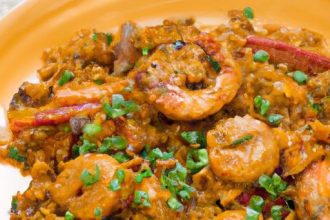
Plate your jambalaya in vibrant bowls, garnishing generously with sliced green onions and freshly chopped parsley for a pop of color.Add a wedge of lemon on the side-its bright acidity perfectly cuts the richness and rounds out each bite. Complement this dish with a crisp green salad dressed lightly with vinaigrette or cornbread to soak up the juices. For an remarkable presentation,serve in rustic cast iron skillets or colorful ceramic bowls to emphasize jambalaya’s warm and welcoming spirit.
| Nutrient | Per serving |
|---|---|
| Calories | 420 kcal |
| Protein | 35 g |
| Carbohydrates | 45 g |
| Fat | 9 g |

For a deeper dive into Creole spices that elevate this dish, visit the Louisiana Travel Guide on Creole Spices. Also, explore our creole seafood recipes for more southern-inspired meals that bring bold flavor to your table.
Q&A
Unlock the Magic of Jambalaya: A Flavorful Classic Recipe – Q&A
Q1: What is jambalaya, and why is it considered a classic dish?
A1: jambalaya is a hearty, comforting one-pot meal rooted in Louisiana’s rich culinary heritage. It’s a vibrant fusion of Creole and Cajun influences, blending rice, vegetables, spices, and proteins into a symphony of flavors that tell a story of cultural history. This dish has stood the test of time because of its bold taste, versatility, and ability to bring people together around the table.
Q2: What are the essential ingredients that make jambalaya so special?
A2: At its heart, jambalaya features a trinity of aromatics-onions, bell peppers, and celery-that build a fragrant base.This is combined with diced tomatoes, garlic, and a lively mix of spices such as paprika, thyme, cayenne, and bay leaves. Protein options like chicken and seafood, especially shrimp, add depth, while long-grain rice absorbs all these luscious flavors, creating a perfectly balanced dish.
Q3: How do I achieve the signature smoky, spicy flavor without using pork?
A3: You can deepen your jambalaya’s flavor by using smoked sausage made from beef or turkey, or by incorporating smoked paprika and a touch of liquid smoke to evoke that savory smokiness. Additionally, sautéing your aromatics until caramelized and adding a bouquet garni gives the dish layers of complexity without relying on traditional pork products.
Q4: Can jambalaya be made vegetarian or vegan without losing its soul?
A4: Absolutely! Jambalaya’s spirit lies in its vibrant spices and hearty texture, which can shine brightly with vegetables like mushrooms, zucchini, eggplant, and even hearty beans. Using vegetable broth and a medley of spices keeps the dish robust and fulfilling. Incorporating plant-based sausage alternatives also adds a pleasant texture and savory punch,ensuring your pot of jambalaya bursts with character.
Q5: What tips can help ensure my jambalaya turns out perfectly every time?
A5: The magic lies in layering flavors and patience. Start by sweating your vegetables to build a flavorful foundation, then toast the rice briefly to bring out nuttiness before adding broth. Simmer gently so the rice cooks evenly without becoming mushy. resist stirring too often to avoid breaking up the rice and allow the bottom to crisp up slightly,creating that coveted “socarrat” crust that adds contrast and charm.
Q6: How can jambalaya be customized to suit different tastes and dietary needs?
A6: Jambalaya’s beauty is its flexibility.You can adjust heat levels by varying the amount of cayenne or hot sauce,swap proteins to suit dietary preferences,or enhance it with fresh herbs like parsley and green onions at the finish. For a gluten-free meal, simply ensure your sausage and broth are free of gluten, and for lower sodium, opt for reduced-salt broth and season gradually.
Q7: What sides or accompaniments best complement a jambalaya feast?
A7: Crisp, fresh sides like a tangy coleslaw or a zesty cucumber salad create a refreshing balance. Cornbread or crusty French bread helps soak up every last drop of that flavorful sauce, while a simple green vegetable like sautéed kale or steamed broccoli adds a vibrant, nutritious contrast. Don’t forget a squeeze of lemon for a bright finishing touch!
Q8: Is jambalaya suitable for entertaining, and how can I prepare it for a crowd?
A8: Jambalaya is a star for gatherings-it scales beautifully and can be made ahead and reheated, frequently enough tasting even better the next day. Use a large pot or Dutch oven and prepare ample servings, allowing each guest to enjoy a warm, comforting bowl brimming with bold flavors. Pair it with chilled drinks and lively music for a true celebration of Southern hospitality.
Unlock the magic of jambalaya by embracing its layers of spice, aroma, and history. With these insights, you’re ready to stir up a flavorful classic that captivates every palate and warms every heart.
Wrapping Up
As the rich aromas of smoky sausage, tender chicken, and vibrant spices dance from your pot, you’ve unlocked more than just a recipe-you’ve tapped into a culinary tradition steeped in history and heart. Jambalaya is more than a dish; it’s a celebration of culture, community, and flavor harmony. So next time you crave a meal that’s as comforting as it is adventurous, remember that a single spoonful can transport you straight to the soul of Louisiana. Embrace the magic of jambalaya, and let your kitchen become a crossroads of taste where every bite tells a story.