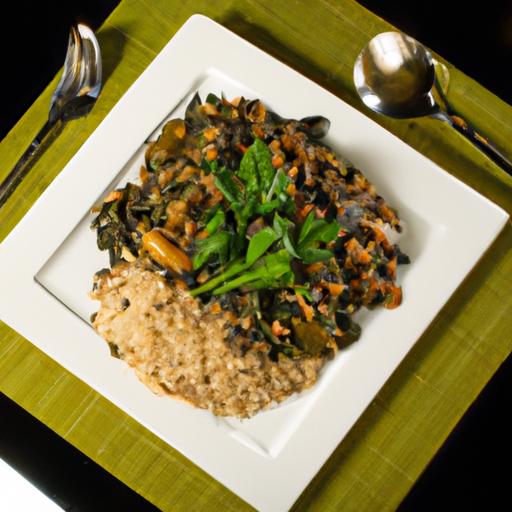


In the vibrant tapestry of Ethiopian cuisine, few dishes capture the heart and heat quite like Firfir.This spicy, stirred delight is more than just a meal-it’s a sensory journey through bold flavors, rich textures, and cultural heritage simmered into every bite. Often enjoyed at the break of dawn or as a comfort food during gatherings, Firfir offers a captivating glimpse into Ethiopia’s culinary soul. Join us as we delve into the origins, ingredients, and unique readiness of Firfir, uncovering the story behind this beloved fiery feast that continues to warm both plates and spirits across the nation.
origins and Cultural Meaning of Firfir in Ethiopian Cuisine
Firfir is much more than a hearty Ethiopian dish – it is indeed a vibrant expression of Ethiopia’s rich culinary heritage and communal spirit. Traditionally crafted from shredded injera or dense flatbread soaked in flavorful sauces, Firfir captures the essence of Ethiopian home cooking: simple ingredients transformed into a spicy, aromatic delight that brings families together. Rooted deeply in the highlands, this dish often surfaces at breakfast tables and festive gatherings, symbolizing hospitality and the joyous sharing of meals. My first taste of Firfir was in a bustling Addis Ababa kitchen where the fragrant berbere and the tart tang of fermented injera instantly conveyed the warmth of Ethiopian culture.
Prep and Cook Time
- Preparation: 10 minutes
- Cooking: 15 minutes
- Total Time: 25 minutes
yield
Serves 4 generously as a main or 6 as a breakfast accompaniment.
Difficulty Level
Easy to Medium - Ideal for home cooks ready to explore authentic Ethiopian flavors with confidence.
Ingredients
- 4 pieces of injera (ethiopian flatbread), torn into bite-sized pieces
- 3 tbsp niter kibbeh (Ethiopian spiced clarified butter)
- 1 medium onion, finely chopped
- 2 cloves garlic, minced
- 1 tbsp fresh ginger, grated
- 2 tbsp berbere spice blend, adjust to taste
- ¼ cup tomato paste
- ½ cup water or broth
- Salt to taste
- Fresh cilantro or chopped green onions for garnish
Instructions
- Prepare the base: Heat the niter kibbeh in a large skillet over medium heat until fragrant, about 1 minute.
- Sauté aromatics: Add chopped onions and cook until soft and lightly golden,about 7 minutes. Stir occasionally to prevent sticking.
- Add garlic and ginger: Stir in the minced garlic and grated ginger; sauté for 2 minutes until deeply aromatic.
- Incorporate spices: Mix in the berbere spice and tomato paste, stirring continuously for 2-3 minutes to toast the spices and deepen the flavors. This step awakens the signature fiery kick.
- Simmer: Pour in water or broth to loosen the sauce, then reduce heat to low. Let it simmer gently for 5 minutes, creating an intensely flavorful base.
- Combine injera: Add the torn injera pieces and toss thoroughly, allowing the bread to soak and absorb the spicy sauce evenly without becoming mushy.
- Heat through: Cook for another 3-5 minutes, stirring regularly so the Firfir develops a luscious, sticky texture with vibrant color.
- Adjust and garnish: Season with salt to taste. Remove from heat and sprinkle with fresh cilantro or green onions before serving.
Tips for Success When Cooking Firfir
- Use fresh niter kibbeh or substitute with unsalted butter infused with turmeric and cardamom to mimic authentic flavors.
- The quality and freshness of your injera is vital; fresh injera gives the best texture, but slightly older injera soaked longer can create a richer, softer dish.
- For a milder version, reduce the berbere spice and balance with a touch of plain yogurt served on the side.
- If you want to elevate protein content, try stirring in small chunks of spiced beef or lentils just before finishing.
- Make-ahead: Cook the seasoned base up to step 5 and refrigerate. When ready, just add injera and warm through to preserve freshness.
Serving Suggestions
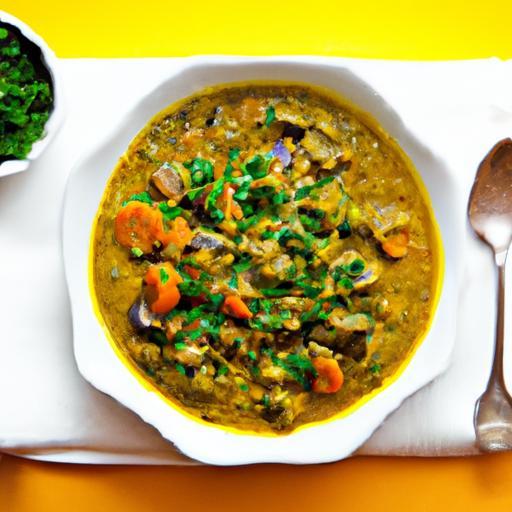
Firfir is best enjoyed fresh and steaming, paired with a side of homemade Ethiopian honey wine (tej) or freshly brewed spiced coffee to offset its bold heat. Present it in rustic earthenware bowls to highlight its cultural authenticity.Garnish with a vibrant sprinkle of fresh herbs and offer extra injera on the side for scooping. For a complete spread, serve alongside a platter of mild lentil stews or sautéed greens to balance the spice levels.
| Nutrient | Per Serving |
|---|---|
| Calories | 280 kcal |
| Protein | 6 g |
| Carbohydrates | 45 g |
| Fat | 7 g |

To delve deeper into Ethiopian cuisine’s diverse flavors, explore our guide to Ethiopian stews and sides. for an authoritative insight into traditional Ethiopian spices, visit Britannica’s Ethiopian cuisine entry.
Q&A
Q&A: Firfir Unveiled – Ethiopia’s Spicy Stirred Delight Explored
Q1: What exactly is Firfir, and why is it so beloved in Ethiopian cuisine?
A: Firfir is a vibrant, spicy Ethiopian dish that captures the heart of the nation’s culinary tradition. Often made with shredded injera (Ethiopian sourdough flatbread) or pieces of traditional bread called kita, Firfir is stir-fried with a rich blend of berbere spice, clarified butter (niter kibbeh), and sautéed onions. its bold flavors, textural contrasts, and quick preparation make it a beloved comfort food enjoyed any time of day-from breakfast to dinner.
Q2: How does Firfir embody Ethiopian culture and flavors?
A: firfir is more than a dish-it’s a story on a plate, telling of communal eating, spice mastery, and resourcefulness. Its key ingredient, injera, is central to Ethiopian meals, symbolizing unity and sharing. The fiery, complex berbere spice mix used in Firfir brings layers of heat, earthiness, and warmth, reflecting Ethiopia’s rich spice heritage. firfir’s adaptability-from leftovers to freshly made meals-showcases a culinary tradition rooted in sustainability and flavor ingenuity.
Q3: What ingredients define an authentic Firfir?
A: At its core, Firfir relies on injera or another Ethiopian fermented flatbread, niter kibbeh (a clarified spiced butter), berbere spice, finely chopped onions, and tomatoes for freshness. Garlic and ginger often join the mix for added depth. Occasionally, mild lentils or beef can be introduced, but the soul of Firfir lies in the delicious interplay between the spicy, buttery, tangy, and savory notes-the fiery dance on your tongue.
Q4: Can Firfir be customized for different taste preferences?
A: Absolutely! While Firfir is known for its heat and spice, it’s surprisingly versatile. Those preferring milder variants can reduce the berbere or swap it partly for milder Ethiopian spices like mitmita. vegetarian or vegan versions using only injera with sautéed vegetables also shine brilliantly, proving Firfir’s adaptability. For protein lovers, Firfir can be enriched with tender stewed beef (known as sega wat) or lamb, turning the dish into a heartier feast yet staying true to its traditional roots.
Q5: what makes Firfir different from other spicy stir-fried dishes around the world?
A: Firfir’s magic lies in its uniquely Ethiopian foundation-injera. Unlike rice or noodles typically stir-fried elsewhere, injera is tangy, spongy, and fermented, which infuses a subtle sourness and airy texture into the dish. The niter kibbeh adds a buttery richness layered with exotic spices like cardamom, fenugreek, and cinnamon, uncommon in many stir-fries globally. Plus, the vibrant, smoky berbere spice blend ignites an authentic Ethiopian fire that sets Firfir apart as a truly mesmerizing experience.
Q6: What is the best way to enjoy Firfir once served?
A: Firfir is traditionally enjoyed fresh, often scooped up by hand using fresh injera or eaten with a spoon when served as part of a larger spread. Sharing is key-Firfir’s communal nature shines brightest around an Ethiopian coffee table, passed between friends and family.Drinks like freshly brewed Ethiopian coffee or refreshing teas complement Firfir’s fiery profile, balancing boldness with comfort.savor it slowly and let the spicy warmth linger, a true celebration of flavor and culture.
Q7: Are there any regional variations of Firfir within Ethiopia?
A: Yes! Ethiopia’s diverse regions each put their unique twist on Firfir. In Addis Ababa, you’ll often find Firfir spiced robustly with berbere and packed with finely diced tomatoes for a moist, tangy bite. In northern regions like Tigray,firfir might be drier with a more intense niter kibbeh presence and a slightly smokier aroma. Some areas incorporate local greens or substitute wheat bread instead of injera, giving the dish subtle regional accents while honoring its fiery character.Q8: How can home cooks outside Ethiopia make Firfir authentic and delicious?
A: The key to authentic Firfir lies in quality ingredients and mastering the spice blend. Start with genuine injera or a reasonably close sourdough flatbread substitute. Invest in or make your own berbere spice mix-it’s the soul of the dish. Clarified spiced butter (niter kibbeh) can be approximated at home with butter gently infused with garlic, ginger, cardamom, and fenugreek. Sauté onions slowly to build sweetness before adding spices and bread. stir often, respecting the texture, and you’ll bring a little piece of Ethiopia’s fiery warmth into your kitchen.
Through this exploration, Firfir reveals itself as not just a dish but a flavorful journey into Ethiopia’s rich culinary soul-a spicy, stirred delight meant to be shared and savored.
Concluding Remarks
As the final notes of Firfir’s spicy symphony linger on the palate,it becomes clear that this humble Ethiopian dish is far more than just a meal-it is a stirring celebration of culture,history,and communal spirit. From the fiery crossroads of berbere-infused sauces to the tender folds of injera, Firfir invites both locals and global food enthusiasts to savor Ethiopia’s vibrant culinary tapestry. Whether you seek a fiery breakfast adventure or a comforting, flavor-packed feast, Firfir stands ready to ignite your senses and deepen your appreciation for a tradition simmered through generations. So next time you crave a dish with a story as bold as its taste, remember Firfir-ethiopia’s spicy stirred delight unveiled.