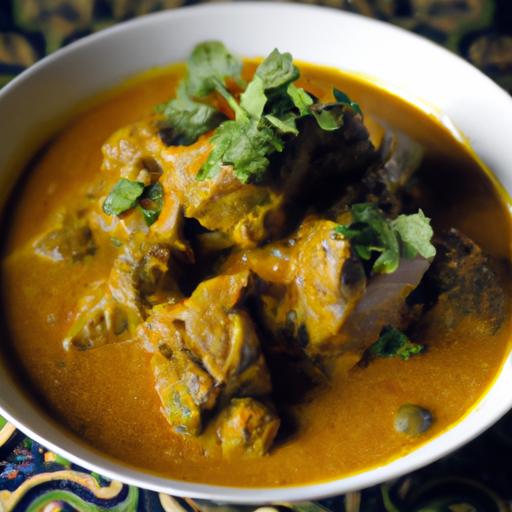

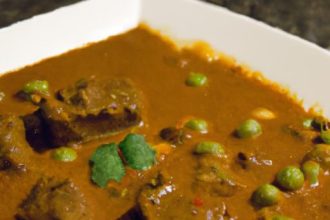


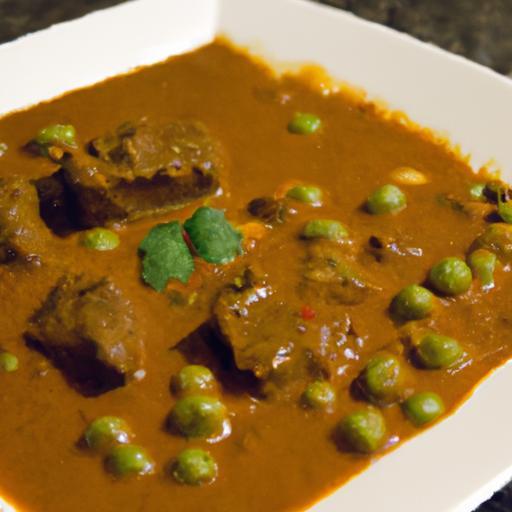
There’s something deeply satisfying about a dish that tells a story with every bite, weaving together spices, history, and culture into a tapestry of flavor. Traditional lamb curry recipes do just that-offering a rich, aromatic journey that transports you too bustling spice markets and cozy family kitchens steeped in heritage. Whether simmered slowly to tender perfection or bursting with vibrant, bold spices, these timeless recipes celebrate the art of balancing heat, earthiness, and a touch of sweetness.Join us as we explore the sumptuous world of lamb curry, uncovering the secrets behind its rich flavors and the traditions that have made it a beloved comfort food across generations.
Exploring the Authentic Spices That Define Traditional Lamb Curry
Savor the rich flavors of traditional lamb curry recipes by immersing yourself in the bold and aromatic spices that bring this dish to life. Originating from the diverse culinary heritage of the Indian subcontinent, each spice adds a nuanced layer of warmth, depth, and earthiness, making the lamb curry a memorable centerpiece at any meal.From fragrant cumin and coriander to the fiery touch of red chili and the subtle sweetness of cinnamon and cardamom, these spices work harmoniously to infuse every bite with complex flavor.
Using freshly ground spices is the secret to unlocking the full potential of this dish. Toast your whole spices lightly before grinding to release their essential oils, ensuring your lamb curry bursts with aroma. Incorporating ginger, garlic, and turmeric alongside garam masala blends creates a elegant balance of heat and comfort, essential for authentic traditional lamb curry recipes.
Mastering the Art of Slow Cooking for Tender, Flavorful Meat
Patience is key when it comes to preparing lamb curry that achieves fall-apart tenderness and an infusion of flavors. Slow cooking allows the lamb to absorb the rich spice blend while breaking down connective tissue, resulting in a luscious melt-in-your-mouth texture. A heavy-bottomed pot or a slow cooker set to low heat encourages even cooking and prevents scorching.
Start by searing the lamb pieces until golden brown, sealing in juices and creating a beautifully caramelized crust. Then let the curry simmer gently for 2 to 3 hours, stirring occasionally, as the sauce thickens and intensifies. The slow meld of spices and meat creates a deeply satisfying dish that rewards your time with layers of exquisite taste.
Pairing Your Lamb Curry with Perfect Side Dishes and Beverages
Complement your traditional lamb curry recipes with sides that enhance and balance the hearty flavors. Fluffy basmati rice or soft buttered naan provide the perfect vehicle for soaking up the luscious sauce.For a fresh contrast, serve with a crisp cucumber raita or a tangy mango chutney, which adds a cooling and slightly sweet dimension.
To drink, consider a classic Indian masala chai or a spiced lassi, both of which refresh the palate without overshadowing the curry. If you prefer wine, opt for a robust red such as Syrah/Shiraz or a fruity Grenache that can stand up to the gamey richness of lamb without clashing.
Tips for Using fresh Ingredients to Elevate Every Bite
Nothing complements traditional lamb curry recipes better than fresh, vibrant produce and herbs. Use fresh garlic and peeled ginger to brighten the sauce, and finish with a generous handful of fresh cilantro for a burst of green freshness. Selecting quality lamb shoulder or leg pieces with a little marbling will ensure juicy, tender meat after slow cooking.
Keep chopped onions finely diced for a velvety curry base, and choose ripe tomatoes that break down smoothly during simmering. Using fresh chillies or freshly ground black pepper can add adjustable heat to match your taste. Whenever possible, avoid pre-ground spices with fillers, as fresh powders deliver a more potent and lively flavor profile.
Prep and Cook Time
- Planning: 25 minutes
- Cooking: 2 hours 30 minutes
- Total: 2 hours 55 minutes
Yield
Serves 6 generously
Difficulty level
Medium – ideal for cooks pleasant with slow cooking and spice blending
Ingredients
- 2 lbs (900 g) lamb shoulder,cut into 1.5-inch cubes
- 2 tbsp vegetable oil or ghee
- 2 large onions, finely chopped
- 4 cloves garlic, minced
- 2-inch piece fresh ginger, grated
- 3 tbsp tomato paste
- 2 large ripe tomatoes, chopped
- 1 tsp cumin seeds
- 1 tsp coriander seeds
- 4 green cardamom pods
- 2 cinnamon sticks (2-inch each)
- 4 whole cloves
- 1 tsp turmeric powder
- 2 tsp ground cumin
- 2 tsp ground coriander
- 1-2 tsp red chili powder (adjust to heat preference)
- 1 tbsp garam masala powder
- 1 cup water or lamb stock
- Salt to taste
- Fresh cilantro leaves for garnish
Instructions
- Toast and grind spices: In a dry skillet, toast cumin seeds, coriander seeds, cardamom pods, cinnamon sticks, and cloves over medium heat for 2-3 minutes until fragrant. Cool slightly and grind to a fine powder using a spice grinder or mortar and pestle. Set aside.
- brown the lamb: Heat oil or ghee in a large heavy-bottomed pot over medium-high heat. Add lamb cubes in batches, searing until all sides are browned, about 5 minutes per batch. Remove lamb and set aside.
- Sauté onions, ginger, and garlic: In the same pot, add chopped onions and sauté until golden brown and caramelized, about 15 minutes, stirring often. Add garlic and ginger; cook for 2 more minutes until fragrant.
- Build the curry base: Stir in tomato paste and cook for 3 minutes,then add chopped tomatoes. Cook until the tomatoes break down and the mixture darkens, about 10 minutes.
- Add spices and lamb: Stir in toasted-ground spices, turmeric, ground cumin, ground coriander, red chili powder, and salt. Cook for 2 minutes to toast spices. Return the browned lamb to the pot, mixing well to coat.
- Simmer slowly: Pour in water or lamb stock, bring to a gentle boil, then reduce heat to low. Cover partially with a lid and simmer for 2 to 2.5 hours, stirring occasionally until the lamb is tender and sauce is thickened. Add garam masala in the final 10 minutes of cooking.
- Adjust seasoning and garnish: Taste and adjust salt or spice levels. garnish generously with fresh cilantro leaves before serving.
Chef’s Notes
- For an even richer curry, substitute half the water with coconut milk or full-fat yogurt (add yogurt off heat at the end to avoid curdling).
- If pressed for time, using a pressure cooker can reduce cooking time by half while maintaining tenderness.
- Freeze leftovers in airtight containers; the flavor frequently enough deepens after resting for a day.
- Substitute lamb with goat or beef for slight variations, adjusting cooking time accordingly.
- Freshly ground spices make the biggest difference-store whole spices and grind just before cooking whenever possible.
Serving Suggestions
Serve your lamb curry alongside steaming basmati rice or warm, soft garlic naan to soak up every drop of the luscious sauce. Garnish with a squeeze of fresh lemon and a handful of chopped cilantro or thinly sliced red onions marinated in a pinch of salt and lemon juice for a refreshing crunch. For a vibrant, fresh contrast, accompany with a cucumber and mint raita or a sweet mango chutney.To complete the dining experience,pour a chilled glass of salted buttermilk or a classic Indian masala chai,enhancing the warming spices on your palate.

| Nutritional Info (per serving) |
Calories | Protein | Carbs | Fat |
|---|---|---|---|---|
| Lamb Curry | 450 kcal | 38 g | 15 g | 25 g |
| Basmati Rice (½ cup cooked) | 100 kcal | 2 g | 22 g | 0.2 g |
For more ways to elevate your curry dishes,explore our Ultimate Guide to Indian Spices. To dive deeper into the health benefits and origins of key Indian spices, visit this detailed study.
Q&A
Q&A: Savor the Rich Flavors of Traditional Lamb Curry Recipes
Q1: What makes lamb curry a standout dish in traditional cuisine?
A1: Lamb curry boasts a deep, rich flavor profile that comes from the tender meat absorbing a symphony of spices. Unlike milder curries, the robust nature of lamb allows it to shine through intense seasoning, creating a dish that is both hearty and aromatic. it embodies warmth and comfort,often evoking memories of home-cooked meals and festive gatherings.
Q2: Which spices are essential for an authentic traditional lamb curry?
A2: A classic lamb curry typically includes a blend of warm and fragrant spices such as cumin, coriander, turmeric, garam masala, cloves, cinnamon, and cardamom. Fresh ingredients like garlic, ginger, and onions form the flavorful base, while chili adds just the right kick. This spice combination is carefully balanced to enhance the natural richness of the lamb without overpowering it.
Q3: How does the cooking method influence the flavor of lamb curry?
A3: Slow cooking is key when it comes to lamb curry. Simmering the lamb gently in a spiced sauce allows the meat to become melt-in-your-mouth tender, infusing every bite with complex flavors. This method helps the spices to marry with the lamb’s natural juices, creating a harmonious and deeply satisfying dish.Q4: Can lamb curry be adapted for different regional tastes?
A4: Absolutely! While the core ingredients remain similar, regional variations emphasize particular spices or preparation styles. For instance, some coastal recipes incorporate coconut milk for creaminess, whereas North Indian versions often focus on tomato-based gravies with a heavier spice blend. These adaptations reflect local tastes and available ingredients, adding delightful diversity to the lamb curry repertoire.
Q5: What are the best accompaniments to serve with lamb curry?
A5: Lamb curry pairs beautifully with fragrant basmati rice or warm, buttery naan bread, perfect for soaking up the luscious sauce. Freshly chopped cilantro, sliced onions, and a cooling side of yogurt or raita can also complement the rich and spicy flavors, balancing heat and adding freshness to each bite.
Q6: Are there tips for selecting the best lamb for curry?
A6: Choosing lamb with a good fat content can elevate the curry, as the fat renders down during cooking and enriches the sauce. Cuts like shoulder or leg work wonderfully due to their tenderness and flavor. When possible, opt for fresh, high-quality lamb to ensure the dish’s final depth and succulence.
Q7: How can home cooks master the balance of flavors in lamb curry?
A7: Patience and tasting along the way are crucial. Building layers of flavor starts with sautéing spices to release their aromas, followed by gradual simmering of the lamb. Adjusting seasoning, acidity (with ingredients like tamarind or lemon), and spice levels throughout cooking helps achieve a well-rounded curry that delights every palate.
Q8: What cultural significance does lamb curry hold in traditional kitchens?
A8: Lamb curry is frequently enough more than just a meal-it’s a symbol of hospitality,celebration,and tradition. Passed down through generations, it reflects the culinary heritage of regions where lamb is a staple. Serving lamb curry is a way to honor family bonds, preserve cultural identity, and share warmth through food.
Indulge your senses in the timeless richness of traditional lamb curry and discover the magic that unfolds when careful seasoning meets slow-cooked perfection.
To Wrap It Up
As the simmering spices meld and the tender lamb absorbs every note of warmth and aroma, traditional lamb curry becomes more than a meal-it transforms into a celebration of heritage and flavor. Whether you’re rekindling family traditions or embarking on a culinary adventure, these time-honored recipes invite you to savor the rich tapestry of tastes that have been perfected over generations. So next time you crave a dish that tells a story with every bite, let the robust, fragrant world of lamb curry guide your palate toward a truly unforgettable experience.