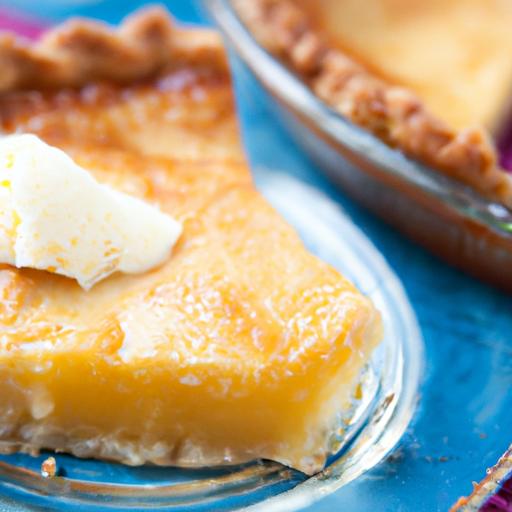



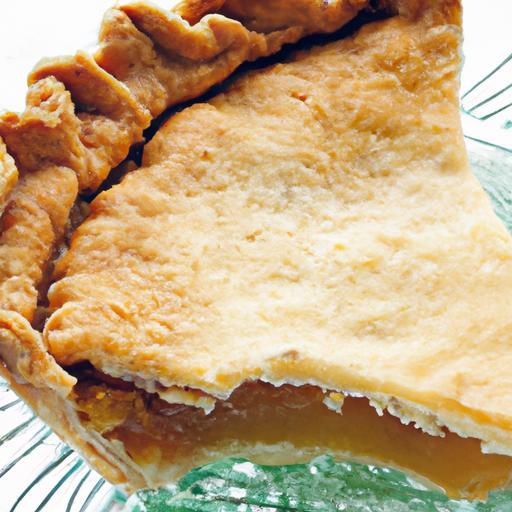
In the vast panorama of Southern desserts,few treasures shine as brightly as classic chess pie-a humble yet irresistibly sweet delight that has enchanted generations. With its silky, custard-like filling nestled within a buttery, flaky crust, chess pie offers a perfect harmony of simplicity and rich flavor. More than just a dessert, it is a slice of history, a testament to culinary traditions passed down through time.In exploring the timeless charm of classic chess pie, we uncover not only a recipe but also the stories, warmth, and nostalgia that make this pie a beloved staple on tables across the country. Join us as we delve into the origins, ingredients, and enduring appeal of this quintessential sweet treat.
the Origins and Historical Significance of Classic Chess pie
The Timeless Charm of Classic Chess Pie begins deep in Southern American kitchens, where simplicity met sweet indulgence in the form of this iconic dessert. rooted in 19th-century traditions, chess pie epitomizes resourcefulness, frequently enough affectionately described as the “pantry pie,” made from staples like sugar, eggs, and butter-ingredients readily available in modest households. Its name sparks curiosity: some say it originated from the phrase “It’s as easy as chess,” while others link it to Southern dialects or even the British ”cheese pie” due to its texture.Through generations, classic chess pie has symbolized home, comfort, and festivity, cherished for its lush, custard-like filling and crisp, buttery crust. This timeless pie continues to grace tables across the country, connecting past and present with every silky, golden slice.
Prep and Cook Time
- Preparation: 15 minutes
- Cooking Time: 50 minutes
- cooling Time: 1 hour
Yield
One 9-inch pie, serving approximately 8 generous slices
Difficulty Level
Easy to Medium – approachable for home bakers with basic skills
Ingredients That Make Classic Chess Pie Irresistibly Rich
- 1 9-inch unbaked pie crust (store-bought or homemade)
- 1 1/2 cups granulated sugar
- 1/4 cup cornmeal (for subtle texture and body)
- 1 tablespoon all-purpose flour
- 1/4 teaspoon salt
- 3 large eggs, room temperature
- 1/2 cup unsalted butter, melted and slightly cooled
- 1/4 cup whole milk
- 1 tablespoon white vinegar or freshly squeezed lemon juice (adds a bright tang)
- 1 teaspoon pure vanilla extract
Step by Step Guide to Baking the Perfect Chess Pie
- Preheat your oven to 350°F (175°C). Place your unbaked pie crust in a 9-inch pie dish, gently pressing it to fit. Chill briefly while you prepare the filling.
- In a large bowl, combine the granulated sugar, cornmeal, all-purpose flour, and salt. Whisk these dry ingredients thoroughly to ensure even distribution.
- Crack the eggs into a separate bowl and beat lightly until combined. Slowly add the eggs into the dry mix, stirring gently to avoid excess air bubbles.
- Add the melted butter and mix well. The butter enriches the filling, yielding that signature luscious texture.
- Stir in the milk, then the vinegar (or lemon juice) and vanilla extract. These ingredients brighten the custard flavor and balance the sweetness beautifully.
- Pour the batter carefully into the chilled pie shell, smoothing the top with a spatula to ensure an even bake.
- Bake in the preheated oven for about 45-50 minutes. The pie is done when the edges are set and the center slightly jiggles-like a perfect custard. Avoid over-baking to maintain silkiness.
- Cool completely on a wire rack. This step is essential for the pie to fully set and slice cleanly.
Tips for Success with Classic Chess Pie
- Use room temperature eggs to blend more easily and create a smooth filling.
- If your crust bubbles during baking, prick gently with a fork or use pie weights to maintain an even base.
- For a deeper golden top, brush a light layer of cream on the surface halfway through baking.
- Make-ahead: Chess pie flavors improve after resting overnight in the fridge. Just cover tightly with plastic wrap.
- Substitutions: Coconut milk or almond milk can replace whole milk for a subtle twist, but avoid low-fat options that thin the filling.
- Want a slightly less sweet version? reduce sugar by 2 tablespoons without affecting texture too much.
Serving Suggestions and Modern Twists to Elevate Your Chess Pie Experience
Classic chess pie shines best served slightly chilled or at room temperature, allowing the custard filling to reveal its velvety depth.Enhance your presentation with a dollop of freshly whipped cream or a spoonful of tangy crème fraîche, both balancing the richness flawlessly. For festive gatherings, garnish with a dusting of finely grated nutmeg or cinnamon, which warms each bite with subtle spice notes.
Modern twists can include folding in a handful of chopped toasted pecans for crunch or a swirl of fresh berry compote to infuse bright, tart contrasts. A drizzle of salted caramel adds an indulgent layer, ideal for autumn and winter celebrations. If you prefer a citrus spark, zest lemon or orange peel directly over the pie before serving; this invigorates the palette and pairs beautifully with the pie’s inherent sweetness.
For detailed tips on pie crust mastery, check out our Perfect Pie Crust Guide. For the historical context of Southern desserts,Southern Foodways Alliance offers captivating insights into america’s culinary heritage.
| Nutrient | Per Slice (1/8 pie) |
|---|---|
| Calories | 350 |
| Protein | 5g |
| Carbohydrates | 42g |
| Fat | 18g |

Q&A
Q&A: The Timeless Charm of Classic Chess pie: A Sweet Delight
Q1: What exactly is chess pie, and where does it come from?
A1: Chess pie is a simple yet luscious custard pie with roots deeply embedded in Southern American culinary tradition. Known for its buttery, sugary filling with a hint of tanginess, this dessert has been delighting families for generations. Its exact origins are a little mysterious, but many believe the name “chess” might be a twist on “cheese” pie or possibly derived from the phrase “pie chest,” where pies were once stored.
Q2: What makes classic chess pie so irresistibly charming?
A2: The charm of classic chess pie lies in its humble ingredients transformed into a rich, velvety filling with a perfectly crisp crust.Its distinctive texture-dense yet silky-and the balance between sweet and tangy flavors create a comforting dessert that feels both nostalgic and elegant. It’s simplicity at its finest, proving that great taste doesn’t always need complexity.
Q3: What ingredients are essential for an authentic chess pie?
A3: At the heart of classic chess pie are staple pantry ingredients: sugar, eggs, butter, and a touch of vinegar or lemon juice to add brightness. Cornmeal often adds a subtle texture, and vanilla extract brings warmth to the mix.This combination produces a luscious custard that bakes to a golden perfection.
Q4: How is chess pie diffrent from other custard pies?
A4: Unlike typical custard pies like pumpkin or buttermilk, chess pie stands out due to its dense texture enriched by cornmeal, which provides a gentle crumbly quality. The addition of vinegar or lemon juice cuts through the sweetness, offering a unique tang that balances the flavors beautifully. It’s a pie that’s both simple and sophisticated in the way it handles familiar ingredients.
Q5: Can chess pie be customized without losing its classic appeal?
A5: Absolutely! While the conventional recipe captures an iconic taste, bakers often enhance their chess pies with subtle twists-like adding a sprinkle of nutmeg or a layer of chopped nuts for crunch. Some might fold in a swirl of honey or maple syrup to deepen the sweetness. Yet, these variations keep the soul of chess pie intact, proving its versatility.
Q6: What is the best way to serve and enjoy classic chess pie?
A6: Chess pie is delightful on its own,but a dollop of freshly whipped cream or a scoop of vanilla ice cream can elevate the experience. Serve it slightly warm to enjoy the full richness of the filling, or chilled to let its flavors meld beautifully. It pairs wonderfully with a cup of hot tea or coffee, making it a perfect ending to any meal or a satisfying afternoon treat.
Q7: Why has chess pie remained a beloved dessert through the ages?
A7: Chess pie’s longevity is a testament to its comforting simplicity and versatility. It embodies the heartwarming memories of family gatherings and Southern hospitality, with a recipe that’s easy enough for beginners but appetizing enough to impress seasoned bakers. Its ability to evoke nostalgia while satisfying modern palates ensures it will continue to be a sweet delight for generations.
Insights and Conclusions
As the final slice of classic chess pie melts on your tongue, you’re reminded that some desserts transcend time, carrying with them stories of heritage, simplicity, and sweet comfort. This humble Southern favorite-with its buttery custard filling and flaky crust-continues to delight palates generations later, proving that sometimes, the most timeless charms come from the simplest ingredients. Whether enjoyed at a family gathering or as a quiet indulgence with afternoon tea, classic chess pie remains a delicious link to culinary traditions worth savoring again and again. So next time you’re searching for a dessert that’s both nostalgic and irresistibly satisfying, remember: the sweet delight of chess pie is always just a slice away.