


Beneath its hearty crust and deep, earthy aroma lies a story as rich and layered as the rye grain itself. Rye bread, long celebrated across cultures and centuries, is more than just a staple-it’s a testament to tradition, nutrition, and the art of baking. in this article, we peel back the layers to unveil the captivating history of rye bread, explore its impressive health benefits, and share insider tips for crafting your very own loaf at home. Whether you’re a seasoned baker or a curious foodie, prepare to embark on a flavorful journey that reconnects you with one of the world’s most enduring breads.
Discover the nutritional Powerhouse of Rye Bread
Rye bread unveiled offers a fascinating journey into an ancient grain that’s not just celebrated for its robust flavor but also revered as a nutritional titan. Packed with soluble fiber, rye promotes digestive health and aids in maintaining stable blood sugar levels, making it an ideal choice for those seeking a wholesome option to everyday white bread. Rich in essential minerals like magnesium, iron, and manganese, rye supports heart and bone health, while its unique composition contributes to prolonged satiety-an excellent ally for weight management.
The dense yet moist crumb of this bread carries antioxidants and phytochemicals that boost overall wellness. Coupled with its low glycemic index, rye bread fits seamlessly into health-conscious diets, while delivering a depth of flavor that’s unmistakably earthy and slightly tangy. This superfood grain is truly timeless, bridging the gap between nourishment and culinary delight.
Prep and Cook Time
- Planning Time: 20 minutes
- Rising Time: 2 to 3 hours (including two rises)
- Baking Time: 45 minutes
- Total Time: Approximately 3 hours 45 minutes
Yield
one medium loaf (serves 10 slices)
Difficulty Level
Medium – Great for bakers agreeable with yeast fermentation and handling denser doughs
Ingredients
- 2 ½ cups rye flour (whole grain preferred for depth of flavor)
- 1 ½ cups bread flour (for structure and gluten support)
- 1 ½ teaspoons active dry yeast
- 1 ¼ cups lukewarm water (between 95°F and 105°F)
- 1 tablespoon honey (or maple syrup, as a gentle sweetener)
- 1 ½ teaspoons sea salt
- 1 tablespoon caraway seeds (optional, for traditional aromatic accent)
- 1 tablespoon olive oil (for a softer crust)
Step-by-Step Instructions to Master Homemade Rye Bread
- Activate the yeast: In a small bowl, combine lukewarm water, honey, and yeast. Stir gently until dissolved. Let it sit for 8-10 minutes until frothy and bubbling-proof your yeast is alive!
- Mix the dry ingredients: In a large bowl, whisk together rye flour, bread flour, sea salt, and caraway seeds (if using). This creates a balanced blend for texture and flavor.
- Combine wet and dry: Slowly pour the yeast mixture and olive oil into the flour blend. Stir using a wooden spoon or dough hook attachment until a sticky dough forms. Rye dough tends to be wetter than wheat dough; resist the urge to add too much flour.
- Knead the dough: Turn the dough onto a lightly floured surface and knead for about 10 minutes until elastic. Alternatively, use a stand mixer on medium speed. The dough should be slightly tacky but hold together well.
- First rise: Place the dough in a lightly oiled bowl, cover with a damp towel or plastic wrap, and let rise in a warm spot for 1 to 1 ½ hours until it doubles in size.
- shape the loaf: Gently punch down the risen dough and form it into a round or oval loaf. Transfer to a parchment-lined baking sheet or greased banneton basket for a rustic look.
- Second rise: Cover again and let rise another 45 minutes, allowing the bread to puff and develop more flavor.
- Preheat oven and bake: Preheat your oven to 425°F (220°C). For a crisp crust, place a shallow pan of water on the oven floor to create steam. Score the loaf with a sharp knife for controlled expansion.
- Bake for 45 minutes: Bake until the crust is deeply browned and sounds hollow when tapped on the bottom.
- Cool completely: Transfer to a wire rack and let cool for at least one hour to allow the crumb to set for perfect slicing.
Chef’s Notes: Tips for Success
- Use high-quality flours: Fresh, whole grain rye flour elevates aroma and nutrition. Store in airtight containers to preserve freshness.
- Water temperature: Keep it warm but not hot to avoid killing the yeast; use a thermometer for accuracy.
- Hydration is key: Rye flour absorbs more water, resulting in a stickier dough.Using bread flour balances this for a tender crumb.
- Caraway seeds: For a twist, swap caraway for fennel or anise seeds, or omit for a milder loaf.
- Make-ahead: Rye dough can be refrigerated after the first rise for up to 24 hours, allowing flavors to deepen-bring to room temperature before shaping.
- Storing: keep leftover bread in a paper bag at room temperature to maintain crust crispness. Freeze slices individually wrapped for longer storage.
Serving Suggestions
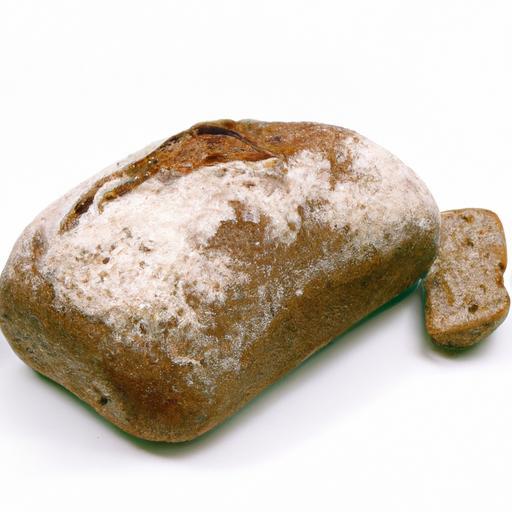
Slice your homemade rye bread thickly to showcase its moist, dense interior contrasted by a crisp, caramel-hued crust. It pairs beautifully with creamy cheeses like goat cheese or smoked gouda. For a delightful open-faced sandwich, layer with ripe avocado, cherry tomatoes, and a drizzle of extra virgin olive oil. Garnish with fresh herbs such as dill or parsley for a fresh, aromatic finish. This bread also shines alongside hearty vegetable soups or as a robust base for artisanal smoked salmon spreads.

| Nutrient | Amount per Slice |
|---|---|
| Calories | 90 kcal |
| Protein | 3 g |
| Carbohydrates | 18 g |
| Fat | 1 g |
| Fiber | 3 g |
For those eager to explore other ancient breads and natural leavening techniques, check out our Sourdough Bread Essentials. To deepen your understanding of rye’s nutritional profile and ancient meaning, visit The Whole Grains Council.
Q&A
Q&A: Rye Bread Unveiled – History, Health, and Homemade Tips
Q1: What makes rye bread different from other types of bread?
A1: Rye bread stands apart primarily due to its main ingredient-rye grain, which has a unique flavor profile ranging from slightly sweet to deeply earthy and tangy. Unlike wheat, rye flour contains less gluten, resulting in a denser, darker loaf with a pleasantly chewy texture.Its distinctive taste and hearty crumb make rye bread a favorite in many cultures around the world.
Q2: Where did rye bread originate?
A2: Rye bread traces its roots to Northern and Eastern Europe, where rye thrived in the colder climates less friendly to wheat cultivation. Countries like Germany,Russia,and the Scandinavian nations made rye bread a staple of their diets centuries ago. It became more than just sustenance-rye bread was a symbol of resilience and tradition, frequently enough baked in communal ovens and passed down through generations.
Q3: How does rye bread benefit our health?
A3: Rye bread is a nutritional powerhouse. It boasts higher fiber content than wheat bread, promoting healthy digestion and a feeling of fullness that can aid in weight management.Rye’s unique fiber helps stabilize blood sugar levels, making it a smart choice for maintaining steady energy. It’s also rich in essential minerals like magnesium and iron. Plus, the rye fermentation process can enhance gut-friendly probiotics, contributing to overall wellness.
Q4: Is rye bread gluten-free?
A4: Rye contains gluten, but it is different from the gluten found in wheat. Though rye bread is not gluten-free and is unsuitable for those with celiac disease, some people with mild gluten sensitivity may tolerate rye better due to its distinctive gluten structure. For a strictly gluten-free diet, obviously, rye must be avoided.
Q5: What are some key tips for baking rye bread at home?
A5: To conquer homemade rye bread, there are a few golden rules. First, use a blend of rye and wheat flour to balance the density and improve yeast fermentation. Second, embrace sourdough starters or rye sour to develop the bread’s signature tang and improve texture. third, be patient-rye dough requires longer resting times to properly hydrate and ferment. Lastly, don’t rush the baking; a well-baked rye loaf will have a deep crust and a moist, tender inside.
Q6: Can rye bread be stored for a long time?
A6: Rye bread is quite hardy and possesses a longer shelf life compared to some white breads,thanks to its denser crumb and acidity from sourdough fermentation,which resists mold. To keep it fresh, store rye bread in a paper bag or wrapped loosely in a cloth at room temperature. For longer storage, freezing slices is a great option to preserve its flavor and texture.Q7: What are some creative ways to enjoy rye bread?
A7: Rye bread’s bold flavor pairs beautifully with a variety of toppings. Try it toasted with smashed avocado and a sprinkle of seeds for breakfast,or topped with creamy cheese and fresh herbs for a light snack. it also shines as a base for open-faced sandwiches layered with smoked vegetables, savory spreads, or hearty mushrooms sautéed with garlic. Its depth of flavor adds character wherever it appears on your plate.
Q8: Is rye bread suitable for all diets?
A8: Rye bread can fit well into many balanced diets, especially those focused on whole grains and fiber. However, due to its gluten content, it’s off-limits for gluten-free and certain allergy-conscious diets. People managing blood sugar levels often appreciate rye’s slower carbohydrate absorption, but individual tolerance can vary, so moderation and personal response are key.
Enjoy the journey into the rich heritage, nourishing qualities, and artisanal potential of rye bread-the humble grain that has fed and inspired many cultures for centuries!
In Retrospect
As we close the chapter on rye bread’s rich tapestry-from ancient fields to modern kitchens-we uncover more than just a loaf; we unearth a story steeped in history, health, and heartfelt tradition. Whether you’re savoring its robust flavor, embracing its nutritional virtues, or rolling up your sleeves to bake your own, rye bread invites us to connect with the past while nourishing the present. So next time you slice into that dense, aromatic goodness, remember: you’re not just enjoying bread-you’re partaking in a timeless journey that feeds both body and soul.