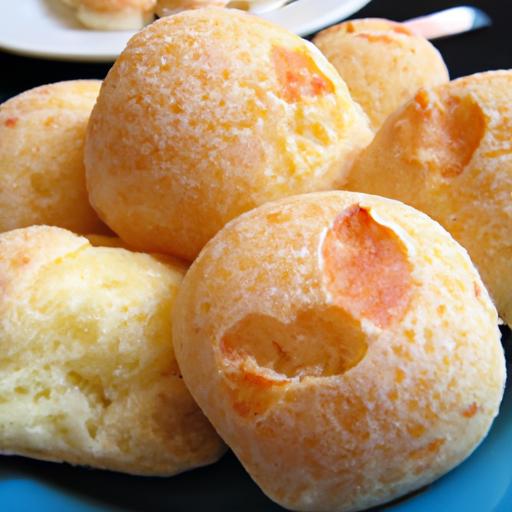
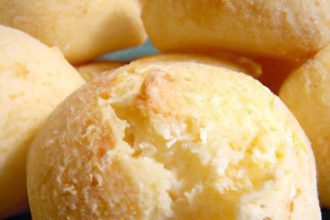


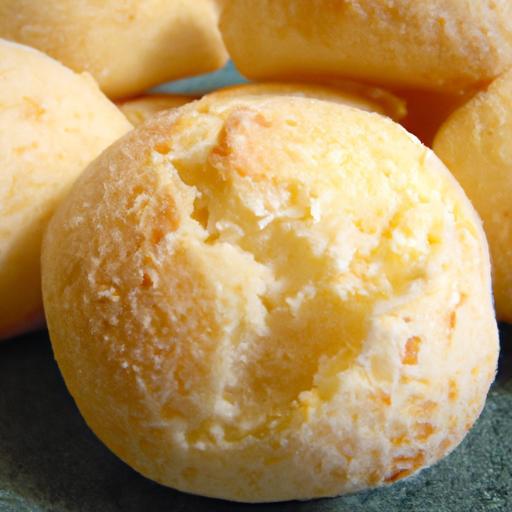
Golden, fluffy, and irresistibly cheesy, Pão de Queijo is more than just a beloved Brazilian snack-it’s a cultural icon baked into every warm, bite-sized ball. Originating from the heart of Brazil’s vast countryside, this delightful cheese bread has captured the palates of locals and visitors alike, weaving together indigenous ingredients with colonial influences to create a uniquely Brazilian culinary treasure. In this article, we’ll explore the rich history, customary ingredients, and the mouthwatering appeal that make Pão de Queijo a must-try delicacy for food lovers around the world.
Origins and Cultural Meaning of Pão de Queijo in Brazilian Cuisine
Pão de Queijo, Brazil’s irresistible cheese bread delight, holds a cherished place in the heart of Brazilian culture. Originating in the state of Minas Gerais during the 18th century, this naturally gluten-free snack reflects the resourcefulness of rural Brazilian cooks who harnessed local ingredients like cassava flour and regional cheeses. Its warm, pillowy texture and cheesy aroma have made it a beloved staple at breakfast tables, street markets, and family gatherings across Brazil.
Beyond just a snack, Pão de Queijo represents comfort and communal joy, often shared with a strong cup of coffee or a refreshing guaraná soda.this small cheese bread embodies Brazil’s rich agricultural heritage and the fusion of indigenous and Portuguese culinary traditions, making it a appetizing symbol of cultural identity.
The Unique Ingredients and traditional Baking techniques Behind Pão de Queijo
At the heart of every authentic Pão de Queijo is its signature blend of unique ingredients. What sets it apart is the use of tapioca flour (also known as cassava starch), which lends an elastic, chewy crumb unlike any typical bread. Traditionally, recipe variations incorporate a mixture of Minas cheese or Parmesan, both of which contribute a deeply savory, slightly tangy character that beautifully complements the neutral, slightly nutty tapioca base.
The dough preparation is simple yet precise: hot milk,oil,and salt are combined and poured over the tapioca flour to gelatinize the starch properly,creating that distinctive stretchy texture. Once the cheeses and eggs are folded in, the dough is shaped into small balls and baked until golden and puffed. The exterior crisps lightly while inside remains soft and airy,a textural balance achieved by baking at sufficiently high heat for a short duration.
Perfecting the Texture and Flavor: Tips for Homemade Pão de Queijo
Mastering Pão de Queijo at home requires attention to detail but offers immensely rewarding results. To achieve the perfect texture, it’s essential to use fresh tapioca flour-avoiding pre-mixed blends with preservatives yields the best chew and rise.
Experiment with cheese selections: a blend of grated Parmesan and mozzarella mimics traditional Minas cheese closely when authentic varieties aren’t accessible. Incorporate eggs gradually to maintain a dough consistency that’s moist but firm enough to roll into smooth balls.
- Tip: Let the dough rest for 10-15 minutes after mixing to hydrate the flour thoroughly.
- Tip: Use a high oven temperature (around 400°F/200°C) to create that signature puff and light crust.
- tip: Avoid overbaking; remove once tops begin to golden to keep the interior chewy and moist.
For even baking, use a silicone baking mat or parchment paper and space the dough balls well apart, allowing their airy expansion.
Exploring Creative Variations and Serving Suggestions for Cheese Bread Enthusiasts
While classic Pão de Queijo delights on its own, it’s also incredibly versatile for playful adaptations. Add finely chopped herbs like rosemary or parsley for a fragrant twist, or mix in sun-dried tomatoes and olives for a Mediterranean flair.For a hint of spice, a touch of smoked paprika or black pepper adds warmth without overpowering the delicate cheese notes.
Presentation is part of the charm: serve warm with herb-infused butter or a vibrant chimichurri sauce for dipping. These cheese breads pair beautifully with fresh fruit preserves or creamy avocado spread for a balanced snack or brunch plate.
For a contemporary twist, try slicing cooled Pão de Queijo horizontally, stuffing with fresh tomato, basil, and a slice of avocado, creating a delightful mini sandwich perfect for entertaining. Whether enjoyed simply or creatively enhanced, this Brazilian classic invites endless inspiration for cheese bread lovers worldwide.
Prep and Cook Time
- Preparation: 20 minutes
- Resting time: 15 minutes
- Baking time: 20 minutes
- Total: 55 minutes
Yield
approximately 20 small cheese bread balls (about 1½-inch diameter)
Difficulty Level
easy to Medium – Perfect for beginners with a few baking pointers
Ingredients
- 2 cups (250g) tapioca flour (cassava starch), sifted
- 1 cup (240ml) whole milk
- ½ cup (120ml) vegetable oil (or melted unsalted butter)
- 1 tsp salt
- 2 large eggs, at room temperature
- 1½ cups (150g) grated cheese (a blend of Parmesan and mozzarella recommended)
Instructions
- Preheat your oven to 400°F (200°C). Line a baking sheet with parchment paper or a silicone baking mat.
- In a medium saucepan, combine the milk, vegetable oil, and salt. Bring just to a boil over medium heat, stirring occasionally.
- Remove from heat immediately and pour the hot liquid over the tapioca flour in a large mixing bowl. Stir briskly with a wooden spoon until fully incorporated and the dough becomes sticky and gelatinous.
- Let the dough cool for 5 minutes. Then, add the eggs one at a time, mixing thoroughly to incorporate each before adding the next.
- Fold in the grated cheese gently but wholly, ensuring even distribution.
- Using dampened hands, shape the dough into small balls, about 1½ inches in diameter, and place them spaced apart on the prepared baking sheet.
- Bake for 18-20 minutes, or until the tops are golden and puffed up. Avoid opening the oven door during baking to prevent collapse.
- Remove from oven and serve warm, ideally within 10 minutes of baking for the best texture experience.
Tips for Success
- Use freshly grated cheese for optimal melt and flavor; pre-shredded cheese often contains anti-caking agents that affect texture.
- If tapioca flour isn’t available locally, look for cassava starch specifically labeled for baking purposes.
- Freeze unbaked dough balls in a single layer on a tray, then transfer to a freezer bag. Bake directly from frozen, adding a few extra minutes.
- For dairy-free versions,substitute cheese with vegan cheese alternatives and use coconut or almond milk.
- If texture is too dense, try increasing eggs by one more for additional moisture and lift.
Serving Suggestions
- Serve warm with a pat of herb butter or alongside a fresh tomato salsa for a bright, tangy contrast.
- Pair with Brazilian coffee or a cold guaraná soda for a traditional tasting experience.
- Garnish with chopped fresh parsley, chives, or a sprinkle of smoked paprika to enhance visual appeal and flavor complexity.
- Accompany a cheese board with cured cheeses, fresh fruit, and nuts for a refined appetizer platter.
Nutritional Facts
| Nutrient | Per Serving (1 cheese ball) |
|---|---|
| Calories | 75 kcal |
| Protein | 2.3 g |
| Carbohydrates | 8 g |
| Fat | 4.5 g |
Discover more authentic Brazilian treats with our Brigadeiro Recipe.
Learn more about the history and cultural importance of Pão de Queijo on Britannica.

Q&A
Q&A: Pão de Queijo – Brazil’s Irresistible Cheese Bread Delight
Q1: What exactly is Pão de Queijo?
A1: Pão de Queijo translates to “cheese bread” in Portuguese, and it’s a small, round, fluffy bread roll bursting with cheesy goodness. Originating from Brazil, it’s beloved for its crispy exterior and chewy, airy interior. Made primarily from tapioca flour and cheese, it’s naturally gluten-free and utterly addictive.
Q2: How did Pão de Queijo become such a beloved Brazilian snack?
A2: The story begins in the 18th century, in the state of Minas Gerais. Local cooks crafted this delightful treat using the region’s abundant cheese and cassava (tapioca) flour. Over time, it grew from a humble rural staple into a nationwide favorite, appearing on breakfast tables, snack menus, and even festive gatherings across Brazil.
Q3: What types of cheese are traditionally used in Pão de Queijo?
A3: The traditional cheese is Minas cheese, a mild, slightly tangy cheese native to Brazil. However, other cheeses like Parmesan and mozzarella are often used to enhance flavor and texture. The cheese’s role is crucial-it lends Pão de Queijo its signature savory aroma and delightful melt-in-your-mouth texture.
Q4: Is Pão de Queijo gluten-free?
A4: Yes! As Pão de Queijo is made with tapioca flour,derived from cassava root,it contains no wheat or gluten. This makes it a fantastic snack for those sensitive to gluten but still craving something warm, savory, and satisfying.
Q5: Can Pão de Queijo be made sweet or adapted with other flavors?
A5: While the classic version is famously cheesy and savory, creative cooks have experimented with sweet fillings like guava paste or cream cheese paired with honey for a delightful contrast. Though, the iconic version remains the cheesy, slightly tangy bread that has stolen hearts worldwide.
Q6: What’s the secret to getting Pão de Queijo’s perfect texture?
A6: Achieving that perfect balance-crispy outside and chewy inside-comes down to a few key factors: the right ratio of tapioca flour to liquid, incorporating warm milk and oil into the dough, and plenty of good-quality cheese. Baking at a consistent high temperature ensures they puff up beautifully while retaining moisture inside.Q7: How is Pão de Queijo typically enjoyed in Brazil?
A7: It’s an all-day favorite! Brazilians often enjoy Pão de Queijo fresh from the oven at breakfast alongside coffee or as a mid-morning snack.It’s also a staple at parties and social gatherings, loved for its hand-held convenience and savory flavor that pairs well with refreshing juices or traditional Brazilian teas.
Q8: Can I make Pão de Queijo at home?
A8: absolutely! With just a handful of ingredients-tapioca flour, cheese, eggs, milk, oil, and a pinch of salt-you can recreate this Brazilian treasure in your own kitchen. While it may take a couple of tries to perfect, the reward of biting into warm, cheesy pão de queijo is well worth the effort.
Q9: Are there regional varieties of Pão de Queijo across Brazil?
A9: Yes, regional twists abound. While Minas Gerais lays claim to the most traditional version, some regions add herbs like oregano or parsley, others experiment with different cheeses or even add a touch of spice.Each variation showcases local tastes and culinary creativity while honoring the original beloved recipe.
Q10: Why has Pão de Queijo gained international popularity?
A10: Its irresistible flavor, gluten-free appeal, and simple ingredients have charmed food lovers far beyond Brazil’s borders. Easy to eat on the go and incredibly versatile, it fits perfectly into modern lifestyles that crave authentic flavors without fuss. Plus, who can resist a warm, cheesy bite that’s both comforting and uniquely exotic?
Final thoughts
As the golden, chewy aroma of pão de queijo fills the air, it’s clear that this humble Brazilian cheese bread is far more than just a snack-it’s a beloved tradition wrapped in every warm, cheesy bite. From the bustling streets of Minas Gerais to kitchen tables around the world, pão de queijo continues to captivate taste buds with its unique blend of simplicity and flavor. Whether you’re a curious foodie or a seasoned lover of international treats, this irresistible delicacy invites you to savor a true taste of Brazil’s culinary heart. So next time you’re craving something comforting yet unusual, let pão de queijo remind you why sometimes, the simplest ingredients create the most unforgettable experiences.