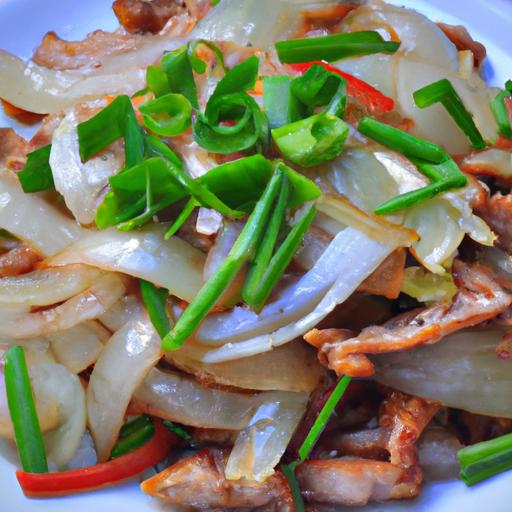

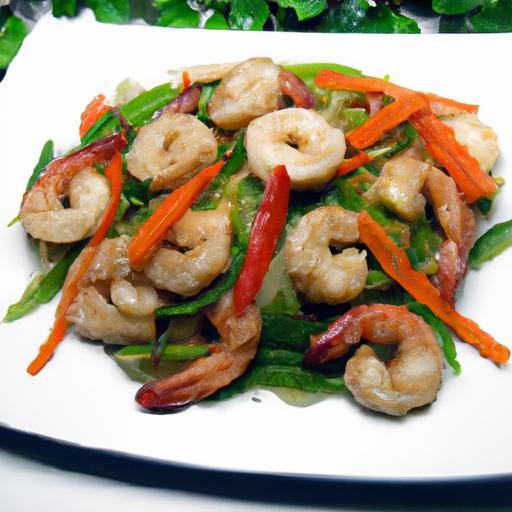
There’s a certain magic to Vietnamese cuisine-a vibrant dance of fresh herbs, bold spices, and delicate textures that awaken the senses with every bite. Among its many culinary treasures, the art of Vietnamese stir fry stands out as a perfect harmony of speed, flavor, and simplicity. From sizzling woks releasing fragrant steam to colorful plates brimming with crisp vegetables and tender proteins, mastering Vietnamese stir fry opens a gateway to authentic, mouthwatering dishes that capture the heart of this dynamic cuisine. In this article, we’ll explore the essential ingredients, time-honored techniques, and creative twists that allow you to savor the flavors and elevate your home-cooked meals into true Vietnamese delights.
Savor the Flavors: Mastering Vietnamese Stir fry Delights invites you on an aromatic journey where the layers of fresh herbs, pungent aromatics, and masterfully balanced sauces create a culinary symphony in every bite. Vietnamese stir fry cuisine captures the essence of simplicity and complexity woven together – inspiring both novice cooks and seasoned food lovers alike to craft dishes bursting with vibrant colors, tantalizing textures, and unforgettable flavor profiles.
This vibrant style of cooking thrives on fresh ingredients, quick high-heat techniques, and the artistry of combining sweet, salty, sour, and umami elements in the perfect stir fry sauce. Harnessing these components unlocks the secret to authentic Vietnamese cooking that is both nourishing and exciting.
Prep and Cook Time
- Preparation: 15 minutes
- Cooking: 10 minutes
- Total Time: 25 minutes
Yield
Serves 4 generously, ideal for sharing with family or friends around the table.
Difficulty Level
Easy to Medium: Perfect for home cooks looking to elevate weeknight meals with vibrant, authentic tastes.
Ingredients
- 2 tbsp vegetable oil (neutral oil with high smoke point, such as canola or grapeseed)
- 4 garlic cloves, finely minced
- 3 shallots, thinly sliced
- 1-inch piece fresh ginger, julienned
- 1 small red chili, thinly sliced (optional for heat)
- 1 cup broccoli florets, blanched
- 1 medium carrot, julienned
- 1 red bell pepper, thinly sliced
- 200g firm tofu, pressed and cubed (or skinless chicken breast for variation)
- 3 tbsp soy sauce (or tamari for gluten-free)
- 2 tbsp oyster sauce alternative (mushroom-based for vegan)
- 1 tbsp fish sauce substitute (optional, use coconut aminos for vegan)
- 1 tbsp palm sugar (or light brown sugar)
- 1 tbsp lime juice, fresh squeezed
- 2 green onions, chopped
- Fresh cilantro and Thai basil leaves for garnish
- Steamed jasmine rice or rice noodles to serve
Instructions
- Prepare all aromatics and vegetables. Keep them ready before heating the wok to ensure quick, even cooking.
- Heat the vegetable oil in a wok or large skillet over medium-high heat until shimmering but not smoking.
- Sauté the garlic, shallots, and ginger until fragrant and lightly golden, about 1-2 minutes. Stir constantly to avoid burning.
- Add the tofu cubes and cook until the edges are crisp and golden, approximately 4 minutes. For chicken, stir-fry until fully cooked and no longer pink, about 6-7 minutes.
- toss in the broccoli, carrot, and bell peppers. Stir-fry briskly to coat vegetables in aromatics, about 2-3 minutes, preserving a slight crunch.
- Whisk together soy sauce, oyster sauce alternative, sugar, and lime juice in a small bowl. pour the sauce evenly over the stir fry and toss to coat everything thoroughly.
- Cook for an additional 1-2 minutes to meld flavors and warm through, stirring constantly. Adjust seasoning by adding chili slices or lime juice as preferred.
- Remove from heat and sprinkle with chopped green onions, cilantro, and Thai basil leaves. Serve promptly over steamed jasmine rice or rice noodles.
Tips for Success
- Use fresh aromatics: Fresh ginger, garlic, and shallots are foundational-dry or pre-minced varieties mute the vibrancy of the dish.
- Prep ingredients beforehand: Stir frying is fast; have everything chopped and ready before heating your wok.
- High heat is key: Maintain a hot wok to get that smoky “wok hei” flavor without steaming the vegetables.
- balance the sauce wisely: Taste as you go. The hallmark of Vietnamese stir fry sauces is balance - sweet, salty, sour, and umami should complement, never overpower.
- Play with textures: combine tender tofu or chicken with crisp vegetables for the authentic Vietnamese mouthfeel.
- Make ahead: Sauce can be mixed days prior and refrigerated; simply toss with fresh veggies and protein on stir fry day for a quick meal.
serving Suggestions
This stir fry shines when plated with fragrant jasmine rice or delicate rice noodles, allowing the sauce to soak in beautifully. Garnish with a generous handful of fresh cilantro and Thai basil for herbal brightness. Thin lime wedges on the side bring a refreshing zing to every forkful. For additional texture and flavor contrast,sprinkle toasted crushed peanuts or fried shallots atop the dish before serving.

| Nutrition | Per Serving |
|---|---|
| Calories | 320 kcal |
| Protein | 18 g |
| Carbohydrates | 25 g |
| Fat | 14 g |
Unlocking the secrets behind Vietnamese stir fry aromatics and crafting a perfectly balanced stir fry sauce brings this dish to life, elevating simple ingredients into something truly memorable. For more tips on Vietnamese techniques, explore our Vietnamese Cooking Basics guide. Expand your culinary knowledge with expertly researched facts on serious Eats Vietnamese Stir Fry Techniques.
Q&A
Q&A: Savor the Flavors: Mastering Vietnamese Stir Fry Delights
Q1: What makes Vietnamese stir fry dishes uniquely flavorful?
A1: Vietnamese stir fry dishes are a vibrant harmony of fresh herbs, bold spices, and balanced sauces. The magic lies in the careful layering of ingredients like lemongrass, garlic, fish sauce, and a touch of sweetness-frequently enough from palm sugar or honey-which creates a symphony of savory, sweet, sour, and umami notes that dance on your palate.Q2: Which proteins work best for a classic Vietnamese stir fry?
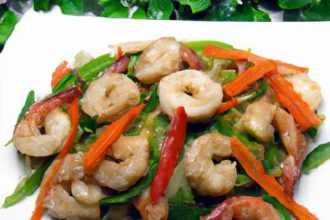
A2: Chicken, beef, tofu, and seafood such as shrimp or squid shine brilliantly in Vietnamese stir fries. These proteins absorb the aromatic sauces and quickly caramelize in the hot wok, lending depth and texture to the dish without overpowering the delicate herbaceous nuances.
Q3: How do fresh herbs contribute to the final dish?
A3: Fresh herbs are the heart and soul of Vietnamese cuisine. Basil, cilantro, mint, and Vietnamese coriander add brightness and contrast, cutting through the rich stir fry sauce while refreshing every bite. They are typically tossed in at the last moment or used as a garnish, elevating the dish with their vibrant, leafy fragrances.
Q4: What are the essential elements of the stir fry sauce?
A4: A quintessential Vietnamese stir fry sauce blends fish sauce for saltiness and depth, lime juice or tamarind for acidity, a touch of sweetness, and often a hint of chili for heat. This trifecta balances each element on the tongue and enhances the umami-rich ingredients such as mushrooms,seafood,or thinly sliced meats.
Q5: Can vegetables be the star of a Vietnamese stir fry?
A5: Absolutely! Vegetables like baby bok choy, snap peas, bell peppers, and water spinach (rau muống) are more than just accompaniments-they bring crunch, color, and natural sweetness. Stir frying them quickly over high heat preserves their crispness and vibrant flavors, making them a hearty centerpiece when paired with a complimentary sauce.
Q6: How important is the wok in mastering Vietnamese stir fry?
A6: The wok is essential for authentic stir-frying thanks to its shape and heat distribution. Its sloped sides trap intense heat, allowing ingredients to sear quickly, locking in flavor and preserving texture. The high, even heat also facilitates the beloved ”wok hei”-a smoky char that adds an elusive layer of complexity.
Q7: What tips can help beginners avoid common stir fry mistakes?
A7: Keep your ingredients prepped and ready before the wok heats up-stir frying is a swift process! Avoid overcrowding the pan to ensure everything cooks evenly and achieves a slight caramelization. Also, use high heat and add sauces gradually, tasting as you go to strike your perfect balance of savory, sweet, and tangy.
Q8: Are rice noodles ever incorporated in Vietnamese stir fries?
A8: Definitely! Rice noodles like bánh phở or bánh hỏi can be tossed in to soak up the luscious sauces and juices. They add a silky texture that complements the crunchy vegetables and tender proteins, transforming a stir fry into a satisfying meal with heartiness and elegance.
Q9: How does tempo influence the flavor profile in Vietnamese stir frying?
A9: Timing is everything. Stir frying is a rapid, rhythmic dance where each ingredient hits the wok at just the right moment. Overcooking dims freshness; undercooking leaves unevenly blended flavors. Mastering this tempo ensures that herbs remain vibrant, meats stay tender, and sauces coat each morsel with perfection.
Q10: Can Vietnamese stir fry dishes be adapted for plant-based diets?
A10: Absolutely! By focusing on tofu, mushrooms, tempeh, and a bounty of vegetables, plant-based Vietnamese stir fries burst with umami and texture. Swap anchovy-based fish sauce for vegan versions made from seaweed or mushrooms to maintain that signature depth without animal products, creating a wholly satisfying, flavorful dish.
To Conclude
As you bring your wok to a sizzle and your ingredients to a harmonious dance of flavors, mastering Vietnamese stir-fry becomes more than just a cooking technique-it transforms into a party of culture, tradition, and vibrant taste. With each wok-tossed bite, you embark on a culinary journey through fragrant herbs, bold spices, and the perfect balance of sweet and savory. So whether you’re a seasoned cook or a curious foodie, let these Vietnamese stir-fry delights inspire you to savor not just a meal, but an experience that awakens the senses and honors the richness of Vietnam’s kitchen heritage.Happy cooking, and may your flavors always sing!