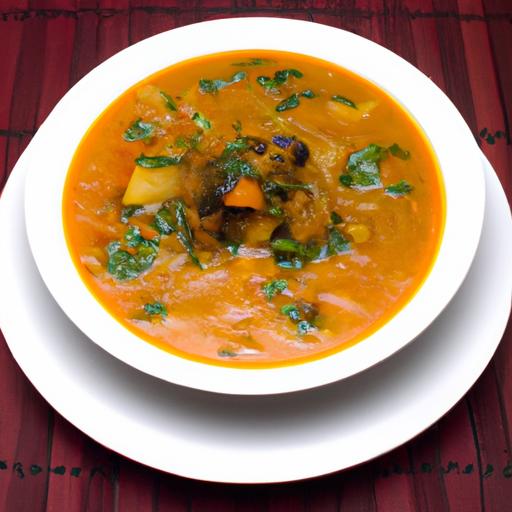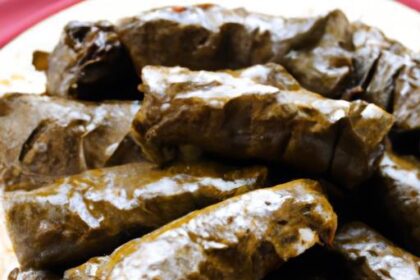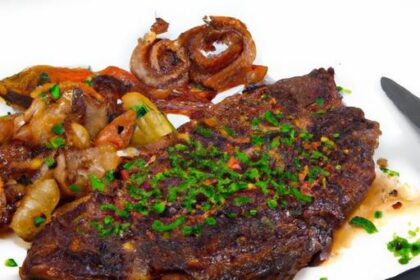




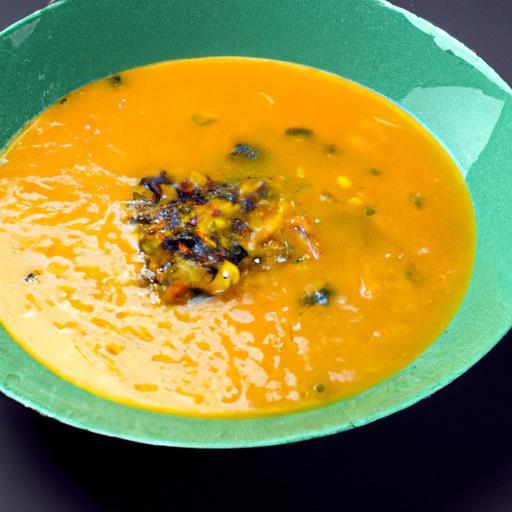
In the vibrant mosaic of West African cuisine, few dishes capture the heart and history of the region quite like Egusi soup. This beloved stew, thickened with ground melon seeds and bursting with an array of rich, savory flavors, is much more than a meal-it is a celebration of culture, tradition, and communal spirit. “Egusi Soup Unveiled: A Rich Taste of West African Heritage” invites you on a culinary journey to explore the origins, ingredients, and timeless significance of a dish that has nourished families and fueled gatherings for generations. Prepare to savor not just the taste, but the stories simmering beneath every spoonful of this iconic West African treasure.
Egusi Soup Unveiled invites you on a sensory journey through West Africa’s culinary landscape, where tradition and flavor intertwine in a dish steeped in history and culture. originating primarily among the Yoruba, Igbo, and Efik peoples, this sumptuous soup is a staple at family gatherings, festivals, and everyday meals alike. What sets Egusi soup apart is its rich, nutty base derived from ground melon seeds, paired harmoniously with leafy greens, spices, and savory proteins.My first encounter with Egusi soup was in a lively Lagos kitchen, where fragrant aromas filled the air and the warmth of shared stories matched the dish’s depth. This recipe is your gateway to mastering the authentic texture and flavor profile that makes Egusi soup a beloved West African treasure.
Prep and Cook Time
- readiness: 20 minutes
- Cooking: 40 minutes
- Total: 1 hour
yield
Serves 6 hearty portions
Difficulty Level
Medium – ideal for those comfortable with layering flavors and textures in a single pot
essential Ingredients That Define the authentic Egusi Flavor
- 2 cups ground egusi (melon seeds) – finely ground to form the soup’s distinctive nutty base
- 1 cup palm oil – providing a rich red hue and earthy aroma
- 1 lb assorted protein (such as goat meat or chicken, cleaned and cut)
- 2 cups chopped spinach or bitterleaf – for freshness and vibrant color
- 1 medium onion, finely chopped
- 2-3 fresh scotch bonnet peppers – finely chopped to taste
- 2 tablespoons crayfish powder – adds umami and depth
- 4 cups meat stock or water
- Salt and seasoning cubes to taste
Step-by-Step Preparation Tips for a Perfectly Textured egusi Soup
- Prepare your protein: In a large pot, parboil the meat with chopped onions, seasoning cubes, and salt until tender (about 30-40 minutes). Reserve the stock for cooking.
- Heat the palm oil: Pour palm oil into a wide, heavy-bottomed pot and heat on medium until shimmering but not smoking to retain its vibrant color.
- Cook the ground egusi: Add the ground melon seeds to the hot oil. Stir continuously,breaking up lumps to allow the seeds to fry evenly.This step should take about 7-10 minutes. The egusi will begin to form small clumps-this is essential for texture.
- Incorporate aromatics and spices: Add chopped onions, scotch bonnet peppers, and crayfish powder. Stir well for 5 minutes to infuse flavors.
- Add the stock: Gradually pour in the reserved meat stock to loosen the mixture, stirring continuously until you achieve a thick, creamy consistency but not too watery.
- Introduce the cooked protein: Add the tender meat back into the soup.Simmer gently for 10 minutes to marry flavors.
- Finish with greens: Fold in chopped spinach or bitterleaf. Allow the soup to simmer for another 5 minutes until the greens wilt perfectly without losing their luminous green color.
- Adjust seasoning: Taste and add salt or seasoning cubes if necessary. Stir gently to combine.
Pairing Egusi Soup with Customary West African Staples for an enhanced Experience
the robust, savory depth of Egusi soup comes alive when paired with traditional sides like fufu, pounded yam, or garri (fermented cassava). These starchy accompaniments offer a neutral base that complements the soup’s richness while soaking up its luscious sauce. Serving the soup with a sprinkle of fresh herbs or finely chopped red onions adds a subtle crunch and fresh contrast to each bite. Consider a side of fresh palm wine or chilled zobo (hibiscus tea) to round out the meal, balancing flavors and enhancing the cultural dining experience.
Chef’s Notes and Tips for Success
- Grinding Egusi: If you can’t find pre-ground melon seeds, soak the seeds overnight and pulse them in a blender to the right consistency-neither too fine nor too coarse.
- Palm Oil Quality: Use high-quality, fresh palm oil for the best flavor and that iconic deep color. Avoid oil that smells rancid or is overly dark.
- Greens Variety: spinach is a common substitute for traditional bitterleaf, which might potentially be tough or unavailable. Rinse greens thoroughly to remove grit.
- Protein options: Egusi soup is versatile-try goat, assorted beef cuts, fish, or even seafood depending on your preference and availability.
- Make-ahead tip: Egusi soup tastes even better the next day as flavors meld. Store in an airtight container and reheat gently, adding a splash of stock if needed.
Nutritional Details per Serving
| Calories | Protein | Carbohydrates | Fat |
|---|---|---|---|
| 380 kcal | 28 g | 12 g | 24 g |

Q&A
Q&A: Egusi Soup Unveiled – A Rich Taste of West African Heritage
Q1: What is Egusi soup, and why is it significant in West African cuisine?
A1: Egusi soup is a hearty, flavorful stew made primarily from ground melon seeds known as egusi. it’s cherished across West Africa, especially in nigeria, Ghana, and Cameroon, as a culinary treasure that combines tradition, nutrition, and community. This soup is more than food-it’s a symbol of heritage, family gatherings, and cultural pride.Q2: What makes the melon seeds in Egusi soup so special?
A2: Egusi seeds are like nature’s little protein-packed gems, rich in fats and oils that give the soup its creamy texture and nutty depth. When ground and cooked, these seeds thicken the soup and infuse it with distinctive taste and aroma, setting it apart from other stews in the region.
Q3: Which ingredients are essential to creating an authentic Egusi soup?
A3: Apart from the signature ground egusi seeds, traditional Egusi soup features leafy greens such as spinach, bitterleaf, or ugu (fluted pumpkin leaves). Onions, tomatoes, chili peppers, and palm oil form the rich base, while assorted proteins like fish, chicken, or goat meat provide robust flavor. The balance of these elements creates a vibrant, luscious stew.
Q4: How does Egusi soup reflect the diversity of West African cultures?
A4: Although Egusi soup is common throughout West Africa, each region adds its own twist-from the choice of greens to the variety of meats or spices used. This culinary diversity is a reflection of the adaptability and unity within West African cultures, celebrating local produce and traditional cooking methods that have been passed down through generations.
Q5: Can Egusi soup be adapted for different dietary needs without losing its essence?
A5: Absolutely! Vegetarians can swap meat for mushrooms,tofu,or hearty beans,while still using the rich egusi seeds and flavorful greens to maintain the dish’s soul. The beauty of Egusi soup lies in its versatility-a canvas for creativity while honoring its roots.
Q6: What are some traditional ways to enjoy Egusi soup?
A6: Egusi soup is typically enjoyed with starchy sides like pounded yam, fufu, amala, or garri. These accompaniments help scoop up the thick, savory stew, creating a balanced and satisfying meal that invites sharing and bonding around the table.
Q7: Why should food lovers around the world explore Egusi soup?
A7: Diving into Egusi soup is like taking a flavorful journey through West Africa’s history and culture. It offers an immersive taste experience that connects eaters with the land, the people, and their stories-making it a rich addition to any food lover’s culinary repertoire.
to Conclude
As the aroma of Egusi soup lingers, so too does its story-one steeped in tradition, community, and the vibrant tapestry of West African culture. This hearty dish is more than just a meal; it is a celebration of heritage passed down through generations, a flavorful bridge connecting past and present. Whether shared at a family gathering or savored in quiet reflection, Egusi soup invites us to taste not only its rich, nutty depths but also the enduring spirit of a people whose culinary artistry continues to captivate palates around the world. Embracing Egusi is embracing a flavorful chapter of West Africa’s soul-one spoonful at a time.