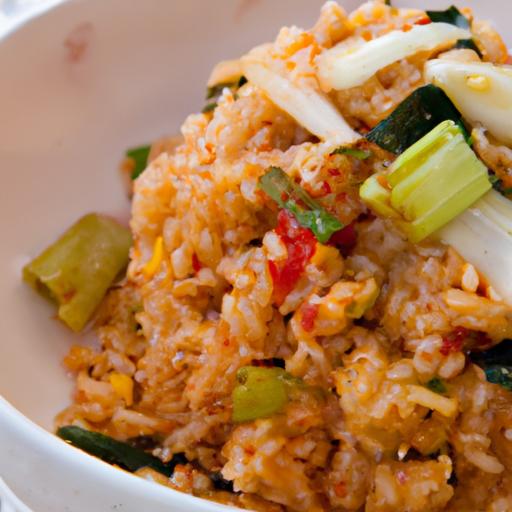
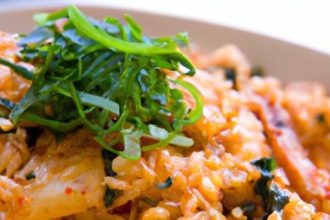


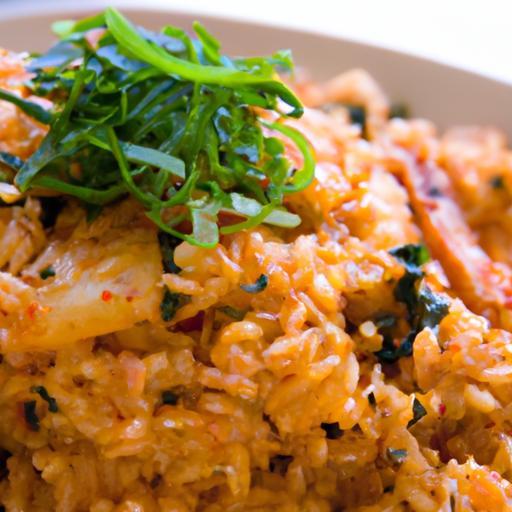
In the vibrant world of Korean cuisine, few dishes capture the essence of home-cooked comfort quite like kimchi fried rice. bursting with fiery reds and tangy depths, this beloved staple transforms everyday ingredients into a symphony of flavors that excite the palate and warm the soul. But beyond its spicy kick and satisfying crunch lies a story steeped in tradition, adaptability, and culinary ingenuity. Join us as we unravel the layers of kimchi fried rice-a dish that’s as much about history and culture as it is about bold, unforgettable taste.
Kimchi fried rice is a vibrant party of bold Korean flavors fused in a single comforting dish. Rooted in tradition yet eternally adaptable, this spicy staple brings together the signature tang of fermented kimchi, the richness of sesame oil, and the satisfying heartiness of rice to create a flavor symphony that’s as approachable as it is addictive. Weather you’re revisiting a cherished memory from Korean cuisine or exploring it for the first time, mastering kimchi fried rice promises an experience that’s both deeply satisfying and endlessly customizable.
Prep and Cook Time
- Prep Time: 10 minutes
- Cook Time: 15 minutes
- Total Time: 25 minutes
Yield
- Serves 2-3 peopel
Difficulty Level
- Easy - Perfect for beginner cooks and seasoned chefs alike
Essential Ingredients that Bring Kimchi Fried Rice to Life
- 2 cups cooked jasmine rice, ideally day-old and chilled
- 1 cup well-fermented kimchi, chopped with juices reserved
- 1/2 cup diced onions
- 2 cloves garlic, minced
- 1 tablespoon gochujang (Korean chili paste)
- 1 tablespoon soy sauce
- 1 teaspoon sesame oil
- 1 tablespoon vegetable oil or neutral cooking oil
- 2 large eggs
- 2 green onions, thinly sliced
- 1 teaspoon toasted sesame seeds, for garnish
- Optional protein: sliced shiitake mushrooms or tofu cubes
Step by Step Guide to Mastering the Perfect Kimchi Fried Rice
- Prepare yoru ingredients: Chop kimchi and onions finely. Mince garlic and slice green onions, keeping white and green parts separate.
- Heat vegetable oil in a large skillet or wok over medium-high heat. Add diced onions and sauté until translucent,about 3 minutes.
- Add garlic and the white parts of the green onions; sauté for 30 seconds until fragrant but not browned.
- Stir in the chopped kimchi along with its juices. Cook for 4-5 minutes, stirring occasionally, allowing the kimchi to caramelize slightly and deepen in flavor.
- Push the kimchi mixture to one side of the skillet. Crack eggs into the empty side, scrambling quickly until soft curds form but still slightly runny.
- Add the chilled rice in small handfuls, breaking up clumps with your spatula as you mix with kimchi and eggs.
- Stir in gochujang,soy sauce,and sesame oil,ensuring the rice is evenly coated with the glossy,spicy sauce. Cook for 3-4 minutes, stirring constantly to prevent sticking and to build subtle crispness on some rice grains.
- Season to taste – adjust salt or add more kimchi juice for extra tang.
- Remove from heat and sprinkle with sliced green onion tops and toasted sesame seeds for that final burst of color and nutty aroma.
Tips for Success
- Use day-old rice: Freshly cooked rice tends to be too moist and sticky, but day-old rice dries out slightly, making it ideal for perfect fried rice texture.
- Control spice levels: Adjust gochujang quantity to your heat preference; add a pinch of sugar if the kimchi is overly sour.
- Protein swaps: Mushrooms and tofu are excellent veggie-amiable additions. For an egg-free version, try stir-fried tempeh.
- Make-ahead option: Prepare the kimchi mixture in advance; just add rice and scramble eggs freshly for best texture.
- Prevent clumping: Use a wooden spoon or spatula to break rice while cooking and keep the heat high enough for slight crisping without burning.
Creative Twists and serving Suggestions to Elevate Your Dish
Bring your kimchi fried rice to life with these inspired ideas:
- Bibimbap style: Serve in a sizzling stone bowl topped with a sunny-side-up egg, blanched spinach, and julienned carrots for a colorful, interactive meal.
- Garnish with crunchy toppings: Fried shallots, crushed roasted seaweed flakes (gim), or chopped roasted peanuts add texture contrasts.
- Umami boost: A drizzle of mushroom soy sauce or a sprinkle of toasted nori powder heightens depth.
- Accompany with pickles: Light cucumber or daikon pickles balance the richness beautifully.
- Wrap it up: Use fresh lettuce leaves or perilla for handheld kimchi fried rice wraps perfect for sharing.
| nutrient | Per serving |
|---|---|
| Calories | 380 kcal |
| Protein | 11 g |
| Carbohydrates | 56 g |
| Fat | 10 g |

For more Korean inspiration, explore our guide to essential Korean dishes. Elevate your pantry with authentic gochujang through trusted sources like Maangchi’s gochujang guide.
Q&A
Q&A: Kimchi Fried Rice – A Spicy Korean Classic explained
Q1: What exactly is kimchi fried rice?
A1: Kimchi fried rice, or “kimchi bokkeumbap” in Korean, is a vibrant and flavorful dish that turns leftover rice and spicy fermented kimchi into a satisfying, savory meal.It’s a staple comfort food in Korea, known for its perfect balance of tangy, spicy, and umami flavors wrapped in a warm, hearty bowl.
Q2: Why is kimchi fried rice so popular in Korean cuisine?
A2: Beyond its delicious taste, kimchi fried rice is beloved for its simplicity and resourcefulness. It’s a clever way to use up leftover rice and kimchi, making it both economical and sustainable. Plus, it’s infinitely customizable, comforting on a cold day, and fast to whip up when hunger strikes.
Q3: What gives kimchi fried rice its distinctive spicy kick?
A3: The spice primarily comes from the kimchi itself, which is fermented cabbage or vegetables seasoned with chili pepper flakes (gochugaru), garlic, and ginger. When stir-fried, these flavors deepen and meld with the rice, creating that signature spicy and tangy profile.Q4: Can kimchi fried rice be made vegan or vegetarian?
A4: Absolutely! Kimchi fried rice can easily be tailored to plant-based diets by using vegetable oil for frying and skipping any animal-based toppings. Just be sure to use vegan kimchi, as some conventional kimchi recipes include fish sauce. Tofu, mushrooms, or a medley of vegetables make excellent protein-packed add-ins.
Q5: What ingredients are essential for authentic kimchi fried rice?
A5: The essentials are ripe kimchi (well-fermented for maximum tang), day-old cooked rice (to avoid mushiness), garlic, green onions, and sesame oil.Many cooks also add a fried egg on top for richness, and a sprinkle of toasted sesame seeds for that nutty finish.
Q6: How is kimchi fried rice typically served or garnished?
A6: Traditionally, it’s plated hot with a sunny-side-up egg melting over the top, sliced scallions scattered for freshness, and sometimes toasted seaweed flakes (gim) to add a hint of oceanic flavor. The egg yolk adds a luscious creaminess that balances the spicy kimchi perfectly.
Q7: What makes kimchi fried rice different from other fried rice dishes?
A7: Unlike many fried rice varieties that rely heavily on soy sauce or oyster sauce, kimchi fried rice draws its bold flavors from the fermented kimchi and its salty, spicy, and sour complexity. This fermentation process lends a unique depth of flavor that no conventional fried rice ingredient can replicate.Q8: Can you use fresh kimchi or does it need to be fermented?
A8: Fermentation is key! Well-aged kimchi packs that sharp tang and intense flavor necessary to elevate the dish. Fresh kimchi can be too mild and may not infuse the rice with enough complexity. Letting kimchi ferment for several weeks is ideal for the richest taste.
Q9: How spicy is kimchi fried rice? Can it be adjusted?
A9: The spice level depends on the kimchi and how much you use. While traditionally it carries a moderate heat, it’s easy to adjust. For a milder dish,use less kimchi or add a touch of sugar to balance the heat. For heat lovers,adding fresh chili or extra gochugaru amps up the spice.
Q10: What are creative twists on classic kimchi fried rice?
A10: Play with textures and flavors by adding ingredients like sautéed mushrooms, sweet corn, or crunchy vegetables like carrots and bell peppers. Some enjoy mixing in cooked chicken, tofu cubes, or a dash of soy sauce. Others top it with a dollop of creamy mayonnaise or a sprinkle of crispy fried shallots for contrast.
Kimchi fried rice is more than just a dish; it’s a delicious story of Korean culture, fermentation science, and culinary creativity sizzling together in one pan. Whether you’re a novice or a seasoned cook, it offers endless ways to explore bold, spicy flavors with humble ingredients.
Concluding Remarks
Whether you’re a seasoned kimchi lover or just beginning to explore the vibrant world of Korean cuisine, kimchi fried rice offers a perfect harmony of spicy tang, savory depth, and comforting simplicity. This humble dish not only transforms leftover rice and kimchi into a satisfying meal but also tells a story of tradition, resilience, and bold flavors that have captivated taste buds worldwide. Next time you crave something quick yet memorable, let kimchi fried rice be your go-to-a fiery, flavorful classic that’s anything but ordinary.